The Hyper-Sensitive Sleeper Solution – A Multi-Sensory Bedroom Audit and Calibration Guide
Introduction
If you’re someone who finds it nearly impossible to fall asleep due to the faint ticking of a clock, the subtle flicker of light under a door, or the feel of certain bedsheets, you’re not alone. Hyper-sensitive sleepers—individuals who experience increased neural responsiveness to environmental stimuli during sleep—often struggle to achieve consistent, restful slumber. These sensitivities can manifest as disturbances from light, sound, texture, temperature, and even subtle scents.
Despite being overlooked by traditional sleep advice, hypersensitivity is a crucial factor in sleep health and can significantly impair one’s quality of life.
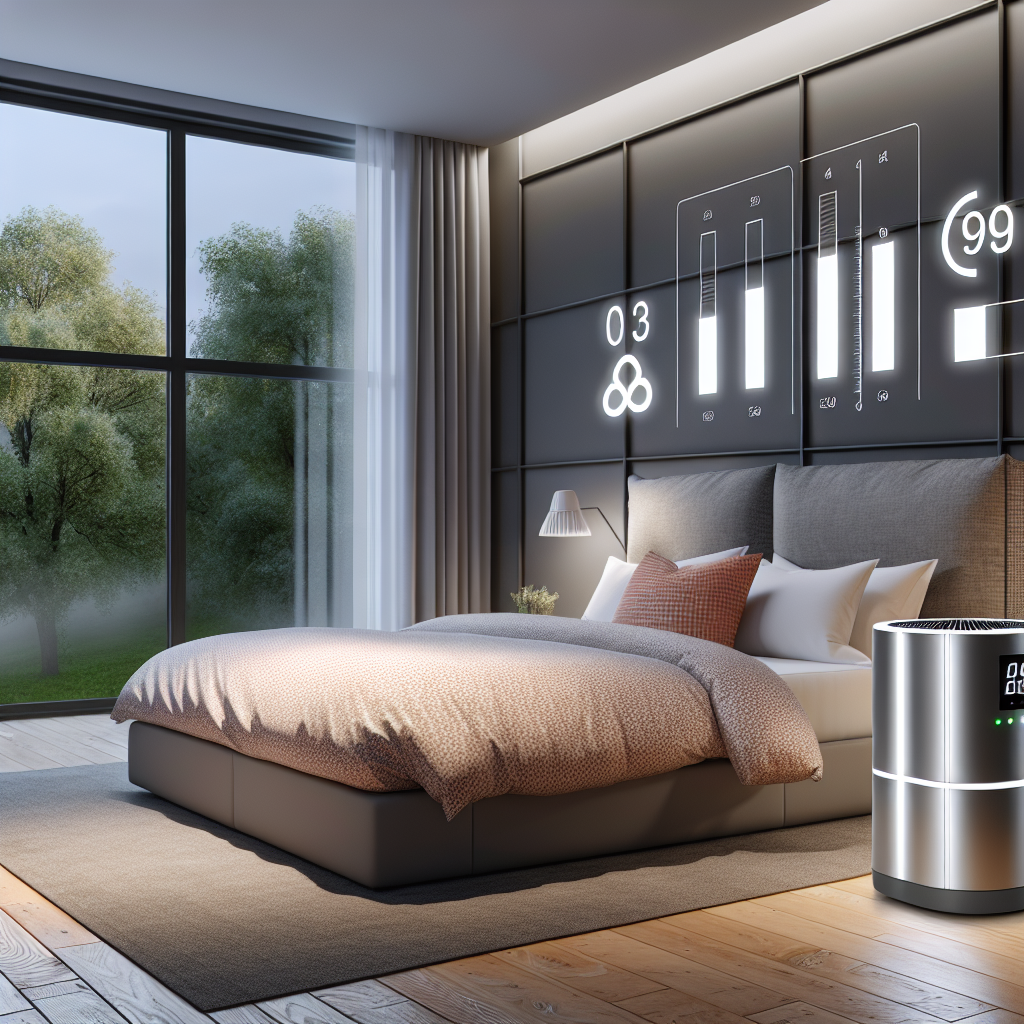
For hyper-sensitive sleepers, the typical sleep hygiene recommendations—avoiding screens before bed, sticking to a sleep schedule, or cutting back on caffeine—may not be enough. What is required instead is a detailed, scientific, and personalized approach that addresses multiple sensory inputs. This multi-sensory audit and calibration technique evaluates how each element in your bedroom, from noise levels to air quality, affects your ability to fall and stay asleep. By identifying and optimizing each sensory factor, you can create a highly controlled sleep sanctuary tailored to your specific sensitivities.
Research shows that poor sleep linked to environmental triggers is often underdiagnosed. Increased light sensitivity, sound intolerance, or tactile aversions may mimic insomnia or be misinterpreted as psychological issues. In reality, a mismatch between your sensory thresholds and your bedroom environment may be the root cause.
This guide takes you through a comprehensive multi-sensory audit—giving you practical and medically supported strategies to calibrate your bedroom and finally gain control over your sleep environment. Whether you’re an adult struggling with chronic insomnia or a parent trying to help a sensitive child sleep better, this article provides evidence-based solutions designed for real, sustainable change.
Scientific Research and Medical Studies
Several studies have illuminated the importance of sensory control in sleep regulation. One pivotal study published in Sleep Health found that environmental variables like light and noise levels significantly disrupted the sleep architecture of sensitive individuals. Participants with higher baseline Sensory Processing Sensitivity (SPS) exhibited lighter sleep, more frequent awakenings, and reduced REM sleep in response to typical bedroom noise and lighting.
Sound Sensitivity
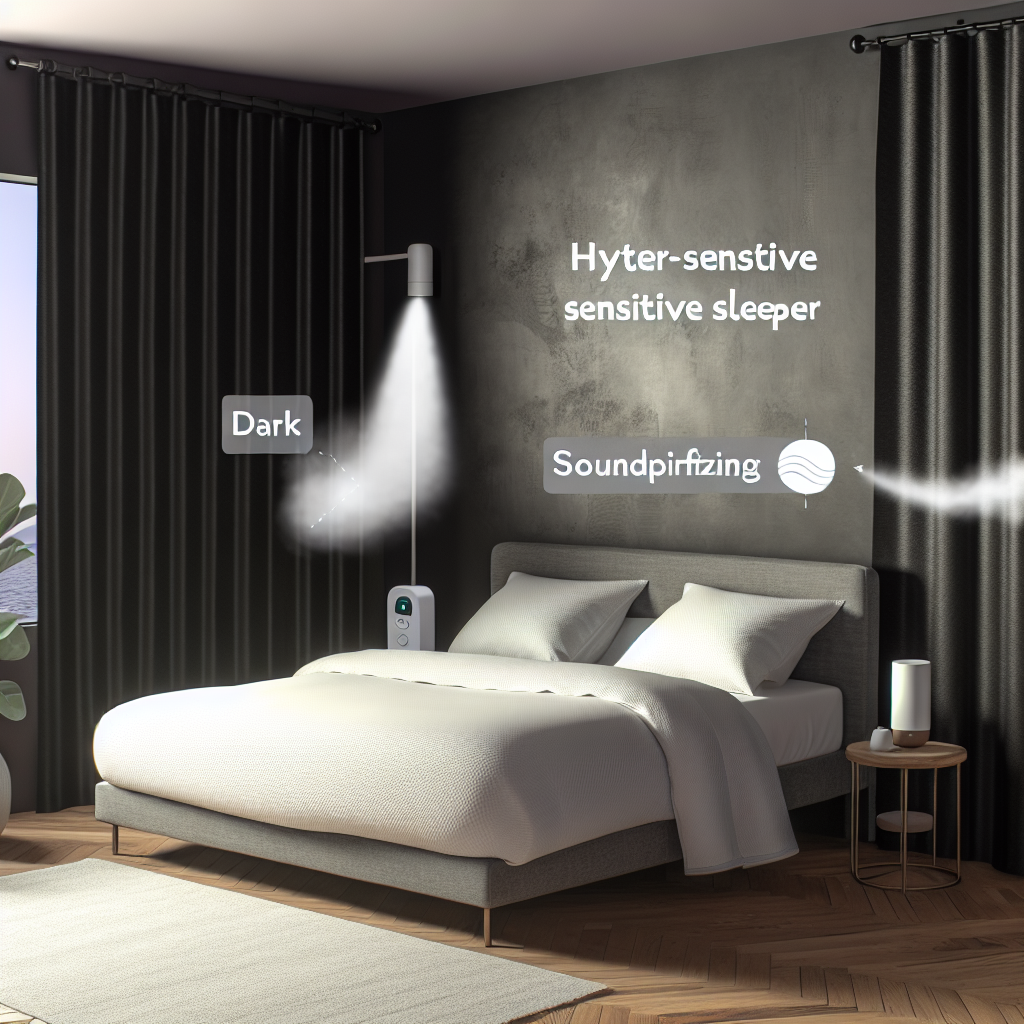
Sound is perhaps the most commonly reported disruption for hyper-sensitive sleepers. Research from the World Health Organization (WHO) indicates noise above 30 decibels can trigger physiological arousals and raise stress hormones, even if the sleeper isn’t consciously aware of the noise. Solutions like white noise machines, soundproof curtains, and acoustic panels can buffer disruptive sounds and help maintain continuous sleep.
Light Sensitivity
Light sensitivity also has strong research backing. According to a 2019 study in the Journal of Clinical Sleep Medicine, even low-level ambient lighting suppresses melatonin production and significantly interrupts sleep, especially for light-sensitive individuals. Solutions include blackout curtains, motion sensor nightlights, and blue-light blocking glasses, all of which help create a melatonin-friendly sleep environment.
Tactile Sensitivity
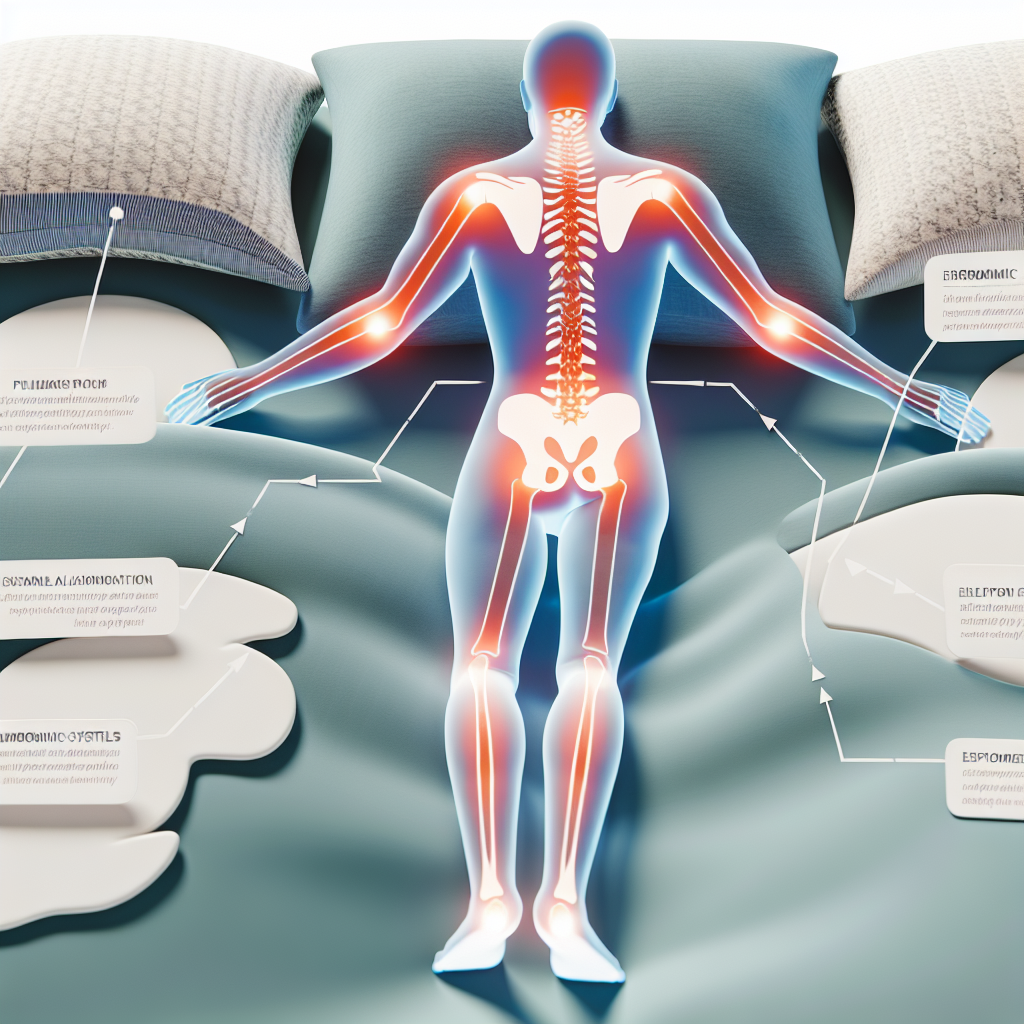
While often associated with neurodevelopmental issues like autism spectrum disorder (ASD) or generalized anxiety disorder, tactile sensitivity can affect anyone. According to studies in Frontiers in Psychology, seemingly minor discomforts—like itchy tags, rough fabrics, or overly tight bedding—can cause repeated microarousals. Opting for soft, breathable, tag-free pajamas and hypoallergenic comforters helps minimize these disruptions and promotes sleep continuity.
Temperature Sensitivity
Your bedroom’s temperature can make or break your rest. Research from the American Academy of Sleep Medicine states that the ideal room temperature is between 60–67°F (15.6–19.4°C). Deviations from this range can delay sleep onset and reduce sleep depth. Highly sensitive sleepers might benefit from thermoregulating bedding made from advanced materials like phase-change fabrics (PCMs), which adapt to your body heat in real time.
Olfactory Sensitivity
Smell may seem like a subtle influence, but for hypersensitive sleepers, even a faint scent can become an obstacle. A study in the Archives of Medical Science found that lavender aromatherapy improved heart rate variability and sleep quality for individuals with insomnia. However, overly strong or varying fragrances may backfire. For best results, choose a consistent scent protocol, such as using diluted essential oils in diffusers with timers or opting for a scent-neutral bedroom if you’re prone to overwhelm.
Conclusion
Sleep is not a one-size-fits-all endeavor—especially for those with heightened sensory responsiveness. Hyper-sensitivity may make sleep feel elusive, but through detailed understanding and precise multi-sensory calibration, it’s entirely possible to reclaim your rest. A multi-sensory bedroom audit helps uncover and correct hidden disruptors, allowing you to build a truly personalized bedroom environment.
Every sense—hearing, sight, touch, smell, and temperature—has the power to hinder or harmonize your sleep. By applying modern science and medical insights through customized strategies, hyper-sensitive sleepers can finally unlock a sleep routine that fosters deep recovery instead of discomfort. Whether hypersensitivity is a lifelong trait or a temporary phase driven by stress or illness, your bedroom can—and should—work in your favor.
Summary
Hyper-sensitive sleepers experience elevated responsiveness to environmental changes, adversely affecting sleep. This guide offers a scientifically backed, multi-sensory bedroom audit covering sound, light, touch, temperature, and scent. From white noise machines to blackout curtains, PCM bedding, and aromatherapy, each sensory factor is analyzed with actionable steps. Research shows that optimizing these factors can significantly reduce microarousals and enhance sleep continuity. Rather than generalized advice, this personalized, sensory-blindspot-targeting approach helps sensitive individuals regain control over their sleep environment—for truly restorative rest.
References
– Cellini, N., et al. (2017). “Sensory processing sensitivity and sleep quality.” Sleep Health. https://www.sleephealthjournal.org/article/S2352-7218(17)30055-9/fulltext
– World Health Organization. (2009). Night Noise Guidelines for Europe. https://www.euro.who.int/__data/assets/pdf_file/0017/43316/E92845.pdf
– Gooley, J. J., et al. (2019). Journal of Clinical Sleep Medicine. https://jcsm.aasm.org/doi/10.5664/jcsm.7784
– Frontiers in Psychology. (2020). “Sensory Over-Responsivity and Sleep Difficulties.” https://www.frontiersin.org/articles/10.3389/fpsyg.2020.00237/full
– American Academy of Sleep Medicine. (2020). “Resources on Sleep & Temperature.” https://aasm.org/resources
– Archives of Medical Science. (2018). “Lavender oil improved sleep in insomniacs.” https://www.ncbi.nlm.nih.gov/pmc/articles/PMC5871212/

Dominic E. is a passionate filmmaker navigating the exciting intersection of art and science. By day, he delves into the complexities of the human body as a full-time medical writer, meticulously translating intricate medical concepts into accessible and engaging narratives. By night, he explores the boundless realm of cinematic storytelling, crafting narratives that evoke emotion and challenge perspectives.
Film Student and Full-time Medical Writer for ContentVendor.com