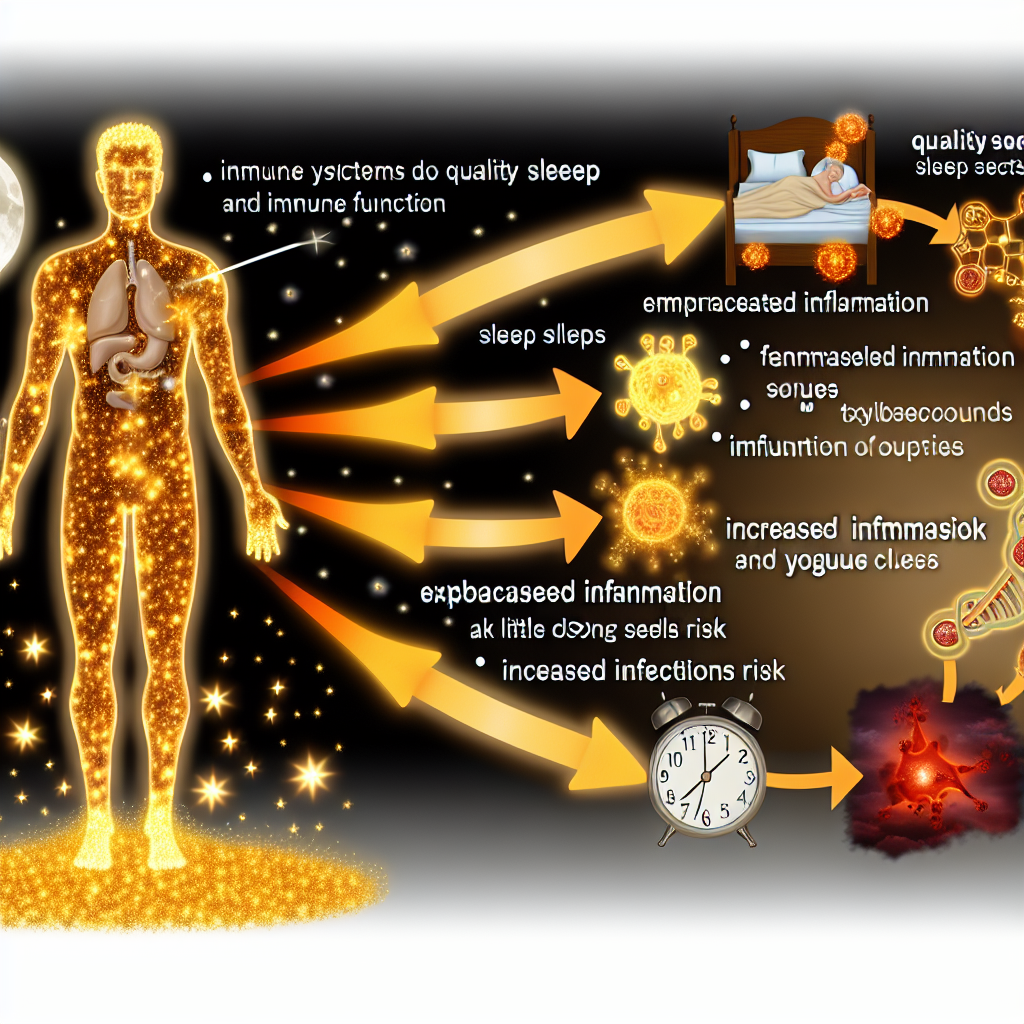
The Sleep and Immune Function Protocol – Strategic Rest to Bolster Defenses and Shorten Illness
Introduction
Sleep is more than just rest; it is a vital biological process that supports the body’s defense mechanisms. Scientific evidence shows that the relationship between sleep and immune function is integral to overall health. When the body encounters pathogens, the innate immune system, our first line of defense, springs into action. However, without sufficient restorative sleep, this system can’t operate at peak efficiency.
Studies consistently show that insufficient or poor-quality sleep not only increases the risk of infection but also delays recovery. This is where the Sleep and Immune Function Protocol comes in—an evidence-based approach to optimizing sleep as a tool to enhance immune resilience for all age groups.
This protocol goes beyond the basic “get 8 hours” advice. It dives deep into the relationship between sleep cycles—especially deep sleep (slow-wave sleep) and REM (rapid eye movement) sleep—and the immune system’s memory and regulatory responses.
In children and adolescents, sleep shapes the developing immune system and supports long-term protection against future infections. For adults, whose lives are typically filled with stress and environmental exposure to pathogens, sleep disruptions increase vulnerability to illness. Older adults, who naturally face more sleep fragmentation, experience a rise in inflammatory markers and a decline in adaptive immune responses.
This article deconstructs the biology of how quality sleep supports immune health, providing a straightforward and practical protocol to implement. Applying these strategies not only helps prevent illness but can also speed healing, putting the body in the best position to recover. Prioritizing strategic rest isn’t just about sleep duration, but also optimizing timing, quality, and physiological repair.
Featured Studies and Scientific Foundations
Decades of research have shown a strong, two-way relationship between sleep and the immune system. Optimizing sleep improves immune function, while lack of sleep weakens defenses and increases risk for both short- and long-term diseases.
One landmark study from the University of Pittsburgh published in the journal Sleep found that people who slept fewer than seven hours were nearly three times more likely to develop a cold when exposed to the rhinovirus, compared to those who slept eight hours or more ([Cohen et al., 2009](https://academic.oup.com/sleep/article/32/6/815/2454464)).
Another important discovery from the University of Tübingen in Germany showed that slow-wave sleep enhances the body’s creation of “immune memory.” This means immune cells learn and retain information about pathogens more effectively, similarly to how the brain forms and stores memories during sleep. This function is crucial for both post-vaccination efficacy and early infection defense ([Besedovsky et al., 2012](https://www.ncbi.nlm.nih.gov/pmc/articles/PMC3256323/)).
During the COVID-19 pandemic, researchers published findings in The Lancet showing that patients who had strong, consistent sleep patterns prior to infection had better outcomes, including shorter ICU stays and milder symptoms. Conversely, poor sleep hygiene was associated with worse progression of symptoms ([Xie et al., 2020](https://www.thelancet.com/journals/lanres/article/PIIS2213-2600(20)30132-3/fulltext)).
From Stanford University’s Center for Sleep Sciences comes further evidence: sleep deprivation causes the body to release more pro-inflammatory cytokines and reduces the strength of natural killer (NK) cells—frontline immune defenders that rapidly respond to infected or damaged cells. The imbalance leads to increased risks of infections, inflammation, and autoimmune disorders ([Irwin & Opp, 2017](https://www.ncbi.nlm.nih.gov/pmc/articles/PMC5449130/)).
These findings provide the scientific backbone of the Sleep and Immune Function Protocol. In essence, prioritizing high-quality sleep isn’t a luxury—it’s a biological imperative for preventive health and effective recovery.
The Sleep and Immune Function Protocol: Best Practices
To harness the immune-enhancing power of restorative sleep, implement the following steps:
1. Prioritize Sleep Quantity and Quality
– Adults should aim for 7–9 hours of uninterrupted, restful sleep.
– Children and adolescents require up to 10 hours for healthy growth and immune development.
– Use wearable sleep trackers or apps to gauge sleep efficiency—the ratio of time spent asleep versus time spent in bed.
2. Respect Circadian Rhythms
– Maintain a consistent sleep-wake cycle, even on weekends.
– Expose yourself to natural light in the morning to reinforce your internal clock.
– Limit blue light exposure (from screens) in the evening to avoid melatonin suppression.
3. Create a Restorative Sleep Environment
– Keep bedroom temperature between 60–67°F for optimal thermal comfort and melatonin production.
– Eliminate disruptive light with blackout curtains and minimize noise with white noise machines or earplugs.
4. Support Sleep with Targeted Nutrition
– Include foods high in sleep-supportive nutrients such as tryptophan (turkey, oats), magnesium (almonds, spinach), and melatonin (tart cherries).
– Avoid stimulants like caffeine after midday, and steer clear of heavy meals and alcohol before bedtime, as they disrupt sleep architecture.
5. Incorporate Mindfulness and Stress Reduction
– Calm your nervous system in the evening with relaxation techniques such as breathing exercises, meditation, stretching, or journaling.
– Lower cortisol levels (the stress hormone) to ensure better entry into deep sleep phases critical for immune support.
6. Adjust Sleep Routine During Illness
– Allow for additional sleep when sick. During illness, the body mounts stronger immune responses—many of which peak during deep sleep.
– Add short naps (20–30 minutes) during the day to rebuild energy without impairing nighttime sleep. Avoid excessive daytime sleep, which can throw off circadian rhythms.
Conclusion
Sleep is a powerful and often underutilized component of immune defense. It regulates immune response, fosters immune memory, reduces inflammation, and accelerates healing. By adopting the Sleep and Immune Function Protocol, people of all ages can empower their body’s natural ability to protect, regenerate, and recover.
In the midst of demanding lifestyles, sleep consistency and quality frequently take a backseat. Yet, unlike medications or complex therapies, sleep is simple, free, and effective. Whether you’re navigating infections, undergoing vaccination, or just aiming for greater vitality, making sleep a foundation of your wellness strategy can be transformative.
Invest in sleep—not as an afterthought, but as a central pillar of health capable of enhancing your immune system naturally. Sleep smarter, live stronger.
Concise Summary
The Sleep and Immune Function Protocol highlights sleep as a vital tool for boosting immune health, reducing illness risk, and speeding recovery. Scientific studies show that quality sleep strengthens immune memory, lowers inflammatory markers, and enhances pathogen defense. This protocol outlines strategies like keeping consistent sleep schedules, optimizing the sleep environment, eating supportive foods, and managing stress. Especially during illness or high stress, extending sleep or taking restorative naps can enhance immune capacity. Sleep is a free, powerful ally for enhanced resilience and overall wellness.
References
1. Cohen, S., et al. (2009). Sleep habits and susceptibility to the common cold. Sleep, 32(6), 815–819. [Read Study](https://academic.oup.com/sleep/article/32/6/815/2454464)
2. Besedovsky, L., et al. (2012). Sleep and immune function. Pflugers Archiv – European Journal of Physiology, 463, 121–137. [Read Study](https://www.ncbi.nlm.nih.gov/pmc/articles/PMC3256323/)
3. Xie, J., et al. (2020). Critical care crisis and some recommendations during the COVID-19 epidemic in China. The Lancet Respiratory Medicine, 8(2), 201–206. [Read Study](https://www.thelancet.com/journals/lanres/article/PIIS2213-2600(20)30132-3/fulltext)
4. Irwin, M. R., & Opp, M. R. (2017). Sleep Health: Reciprocal Regulation of Sleep and Innate Immunity. Neuropsychopharmacology, 42, 129–155. [Read Study](https://www.ncbi.nlm.nih.gov/pmc/articles/PMC5449130/)

Dominic E. is a passionate filmmaker navigating the exciting intersection of art and science. By day, he delves into the complexities of the human body as a full-time medical writer, meticulously translating intricate medical concepts into accessible and engaging narratives. By night, he explores the boundless realm of cinematic storytelling, crafting narratives that evoke emotion and challenge perspectives.
Film Student and Full-time Medical Writer for ContentVendor.com