Why Every Founder’s Brain Fog Might Actually Be Undiagnosed Airway Sleep Disorder
Introduction
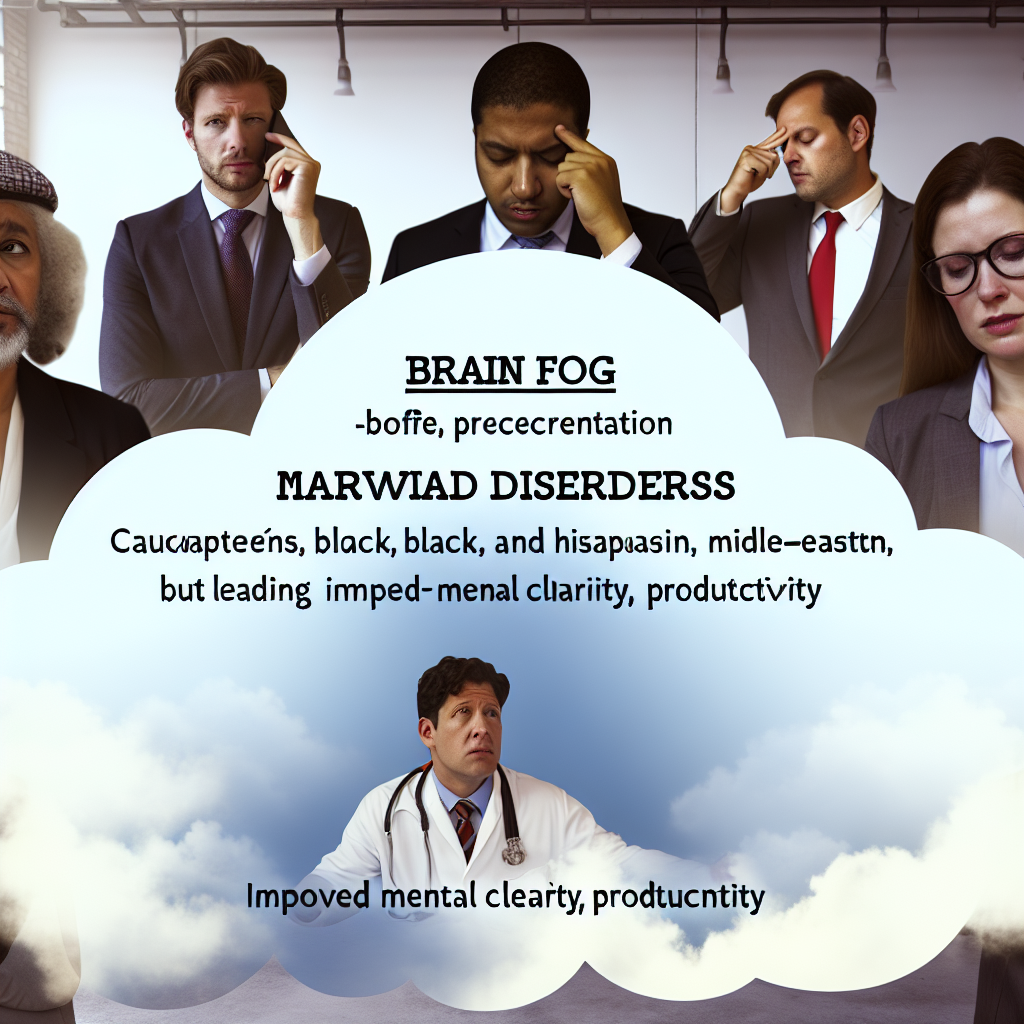
In today’s fast-paced entrepreneurial landscape, **founders** are expected to constantly innovate, strategize, and lead with unyielding energy and focus. It’s a thrilling ride, but one fraught with **stress**, long hours, and often erratic **sleep patterns**. Amid these intense working conditions, many founders report experiencing **brain fog**—a sensation of mental cloudiness that can impede decision-making and creativity. But what if this brain fog could be rooted in something more clinically significant than mere stress? Emerging research suggests that for many individuals, especially those in high-pressure roles, this persistent mental haze could be indicative of an undiagnosed **airway sleep disorder**.
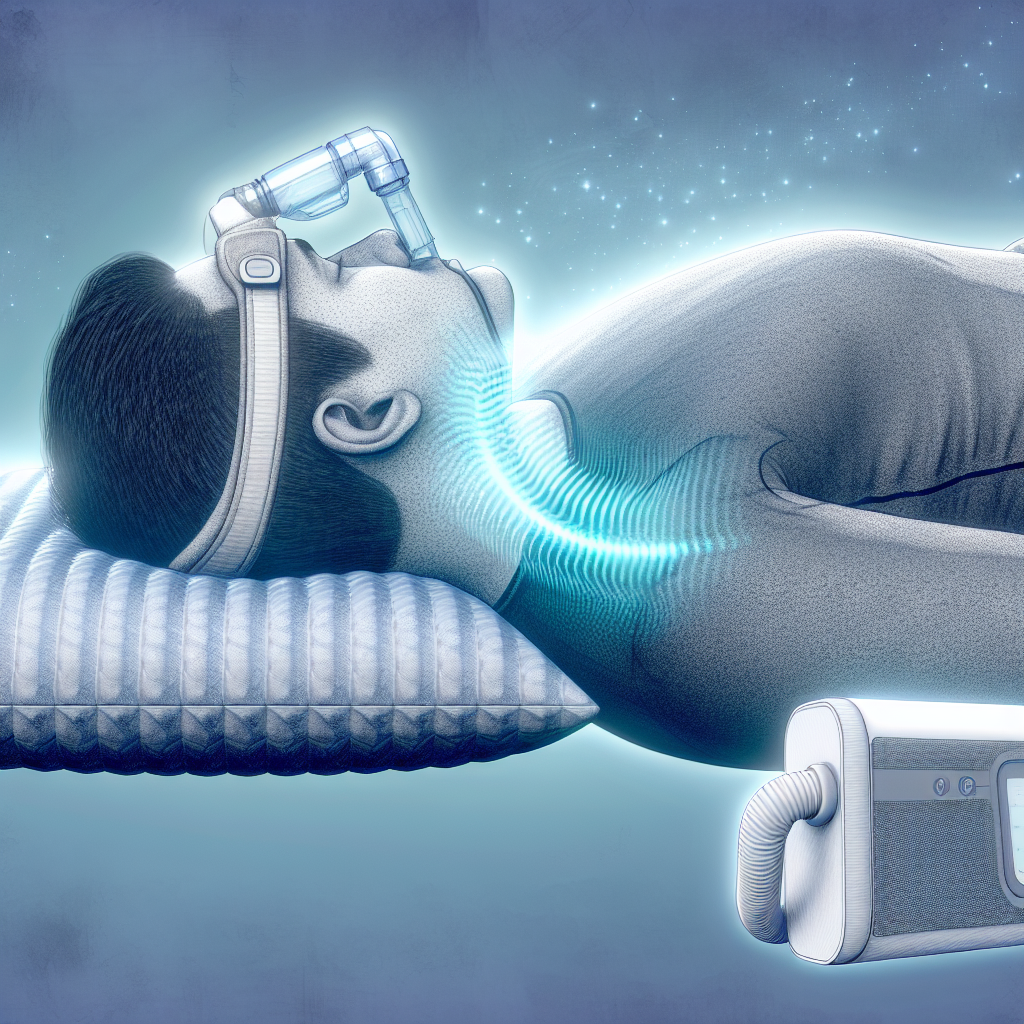
**Airway sleep disorders**, among which **Obstructive Sleep Apnea (OSA)** is the most prevalent, have been linked to compromised **cognitive function** due to disrupted sleep. They occur when the airway becomes partially or entirely blocked during sleep, leading to recurrent interruptions in breathing. This can result in decreased **oxygen levels** in the blood and fragmented sleep patterns, severely impacting the brain’s ability to rejuvenate overnight.
For founders, who often operate on an already strained mental bandwidth, the impact of undiagnosed airway sleep disorders can be profound. The temporary cessation of breathing episodes not only reduces sleep quality but also affects next-day cognitive functions such as **memory**, attention, and executive function. This can manifest as difficulty in concentrating, poor problem-solving skills, and challenges in maintaining sharpness—all symptoms typically associated with brain fog.
Furthermore, there’s the risk of these symptoms being dismissed as non-medical issues tied to the generally accepted stress that comes with being a founder. The trouble lies in the fact that many may not even be aware that their sleep disturbances are related to a physical health condition, turning to coffee, energy drinks, or even medications to mitigate the symptoms rather than addressing the root cause.
Acknowledging the possibility that brain fog is linked to an airway sleep disorder could transform both personal health and professional performance. As awareness grows, it becomes increasingly crucial for individuals experiencing such symptoms to consider a comprehensive sleep assessment, potentially unveiling an undiagnosed condition that can be effectively managed or treated.
Features
Scientific research offers compelling evidence correlating **sleep apnea** with **cognitive impairments**; several studies highlight how untreated OSA can have significant effects on cognitive performance. One such landmark study published in the American Journal of Respiratory and Critical Care Medicine showed that sleep apnea patients exhibit deficits in attention, vigilance, memory, and executive functions—skills crucial for founders navigating the business world.
Furthermore, research from the Sleep Health Foundation of Australia emphasizes the interconnection between OSA and cognitive decline. Investigators found that even in non-clinical populations, individuals with severe apnea manifested worse cognitive outcomes compared to those without. This underlines that the cognitive repercussions of sleep disorders can be significant and wide-ranging, manifesting well before severe sleepiness or overt fatigue.
Additionally, studies from the Annals of the American Thoracic Society suggest that sleep apnea can lower the efficacy of restorative sleep, leading to daytime sleepiness and reduced cognitive flexibility—particularly challenging for founders who rely on mental acuity to pivot and adapt in rapidly changing markets.
Additionally, excessive daytime sleepiness—a common symptom of OSA—compounds the issue by degrading entrepreneurial productivity and decision-making skills. Research from the National Sleep Foundation noted a marked improvement in cognitive function following the treatment of sleep apnea, suggesting a direct link between addressing airway obstructions during sleep and enhanced brain performance.
As awareness of these studies grows, healthcare professionals are increasingly adept at recognizing these patterns in patients who present with brain fog but have no other clear medical diagnosis. The potential benefits of identifying and treating undiagnosed airway sleep disorders in founders are significant, offering a new pathway to improved cognitive health and enhanced professional capabilities.
Conclusion
In conclusion, the tantalizing possibility that brain fog may originate from an underlying airway sleep disorder demands attention from founders and medical professionals alike. By rethinking the typical approach to addressing brain fog as merely a reaction to business stress, individuals can pursue a more comprehensive investigation that could unveil conditions such as OSA. With proper diagnosis and treatment, the road to clearer cognitive function and efficient decision-making becomes not only feasible but likely.
In embracing this paradigm shift, founders can potentially harness better mental clarity, heightened focus, and improved well-being—integral assets in the fast-paced, high-demand world of entrepreneurship. As awareness and diagnostic capabilities continue to evolve, addressing sleep health becomes paramount, offering a promising new frontier for achieving both personal rejuvenation and professional excellence.
References
– American Journal of Respiratory and Critical Care Medicine
– Sleep Health Foundation of Australia
– Annals of the American Thoracic Society
– National Sleep Foundation
Concise Summary
Founders often face brain fog, traditionally attributed to stress, but it might stem from undiagnosed airway sleep disorders like Obstructive Sleep Apnea (OSA). These disorders disrupt sleep, impairing cognitive functions essential for entrepreneurship. Studies highlight the significant cognitive impact of untreated OSA, including diminished memory, attention, and decision-making skills. Raising awareness about these links can lead to comprehensive sleep assessments, unveiling conditions like sleep apnea that, once treated, can enhance cognitive performance and professional productivity. Understanding and addressing these conditions can lead to better mental clarity and overall well-being, crucial for entrepreneurial success.

Dominic E. is a passionate filmmaker navigating the exciting intersection of art and science. By day, he delves into the complexities of the human body as a full-time medical writer, meticulously translating intricate medical concepts into accessible and engaging narratives. By night, he explores the boundless realm of cinematic storytelling, crafting narratives that evoke emotion and challenge perspectives.
Film Student and Full-time Medical Writer for ContentVendor.com