**
Why Your Sleep Study Was Useless: The Hidden Epidemic of Normal Results in Diseased Sleep Systems
**
**
Introduction
**
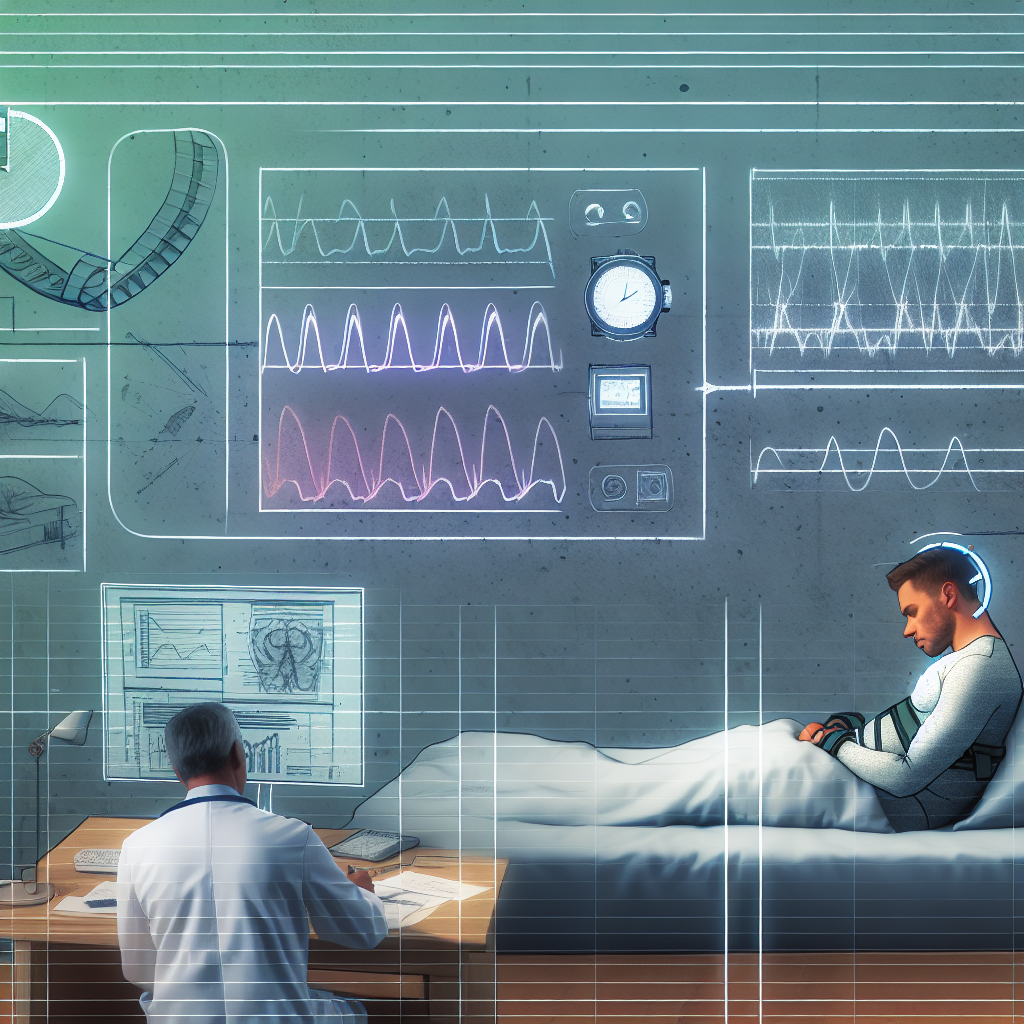
In our fast-paced, modern world, sleep issues plague millions, leading them to seek medical evaluations, often including **sleep studies** or **polysomnography**. These diagnostic tools are designed to detect disorders like **sleep apnea**, **insomnia**, and **restless leg syndrome**. However, an increasing number of patients receive results marked as “normal.” Frustration and invalidation ensue as sleep issues persist despite a lack of clinically significant findings. This raises a crucial question: why do so many people with genuine sleep disturbances receive **normal results from sleep studies**?
The answer lies in what some experts label the “hidden epidemic” of normal results failing to capture the nuanced reality of dysfunctional sleep systems. Sleep is a complex, multifaceted process influenced by various factors, from genetics to lifestyle choices and environmental conditions. When a sleep study fails to capture an individual’s sleep disorder, it may delay appropriate treatment and create undue stress and confusion.
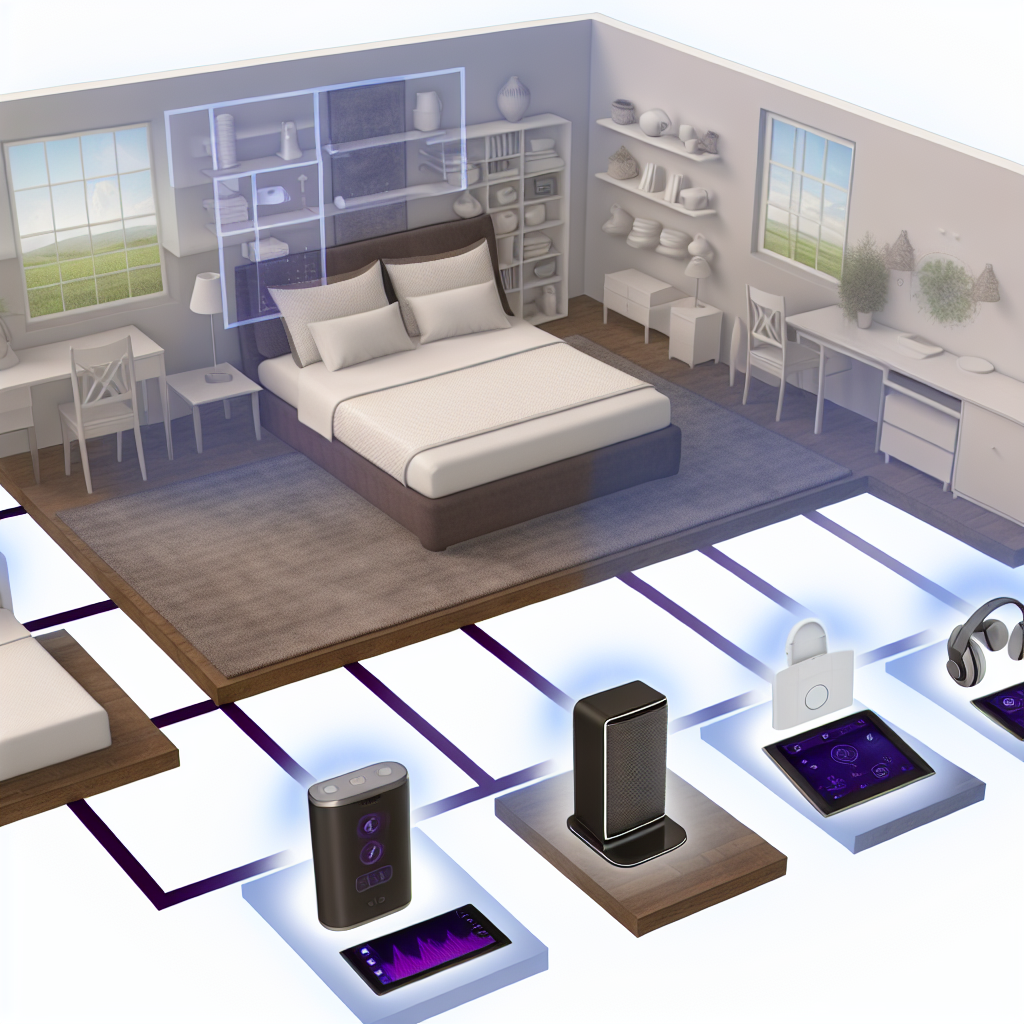
**Statistics** suggest that up to 30% of patients with sleep disorders present normal sleep study results ([National Sleep Foundation](https://www.sleepfoundation.org)). Reasons could include the unnatural environment of a sleep lab, which impedes natural sleep onset, or the inadequate time span of the study, which might not capture occasional disturbances. Thus, experts argue for a **holistic approach** to diagnosing and managing sleep disorders. This approach can include thorough clinical evaluations, detailed patient history, and even **at-home sleep studies** that better mimic the patient’s natural sleeping environment.
Ignoring this hidden epidemic has vast ramifications. Without proper diagnosis, patients face increased risks for consequences of untreated sleep disorders, such as cardiovascular disease, diminished cognitive function, and mood disturbances. The medical community must enhance current diagnostic methods’ sensitivity and emphasize patient-centered care. Only then can we adequately address the complexities of sleep disorders and move past limitations that have rendered many sleep studies seemingly “useless.”
**
Features
**
Several professional and medical studies have explored the limitations of traditional sleep studies. A study in the [Journal of Clinical Sleep Medicine](https://jcsm.aasm.org) highlighted that the controlled environment of a sleep lab doesn’t always mirror typical sleep situations. Lab anxiety or altered sleep patterns can lead to inaccurate results. The study emphasized the growing relevance of **in-home sleep testing**, allowing individuals to adhere to their usual sleep schedule and environment for more accurate data ([American Academy of Sleep Medicine](https://aasm.org)).
Another study by [Harvard Medical School](https://www.health.harvard.edu) focused on **polysomnography’s** limitations in capturing sleep disorder variability, like **sleep apnea**. It found that some patients experience sporadic **episodic events** not captured in a single-night study, suggesting that **multiple night testing** might be more beneficial for comprehensive evaluation.
Research from [Stanford University](https://sleep.stanford.edu) neuroscientists emphasized considering **circadian rhythms** and **genetic markers** for sleep disorders. These genetically influenced rhythms can significantly alter sleep patterns and are often overlooked in standard polysomnography sessions. Identifying these genetic markers offers an exciting avenue for **personalized medicine**, potentially improving diagnostic accuracy.
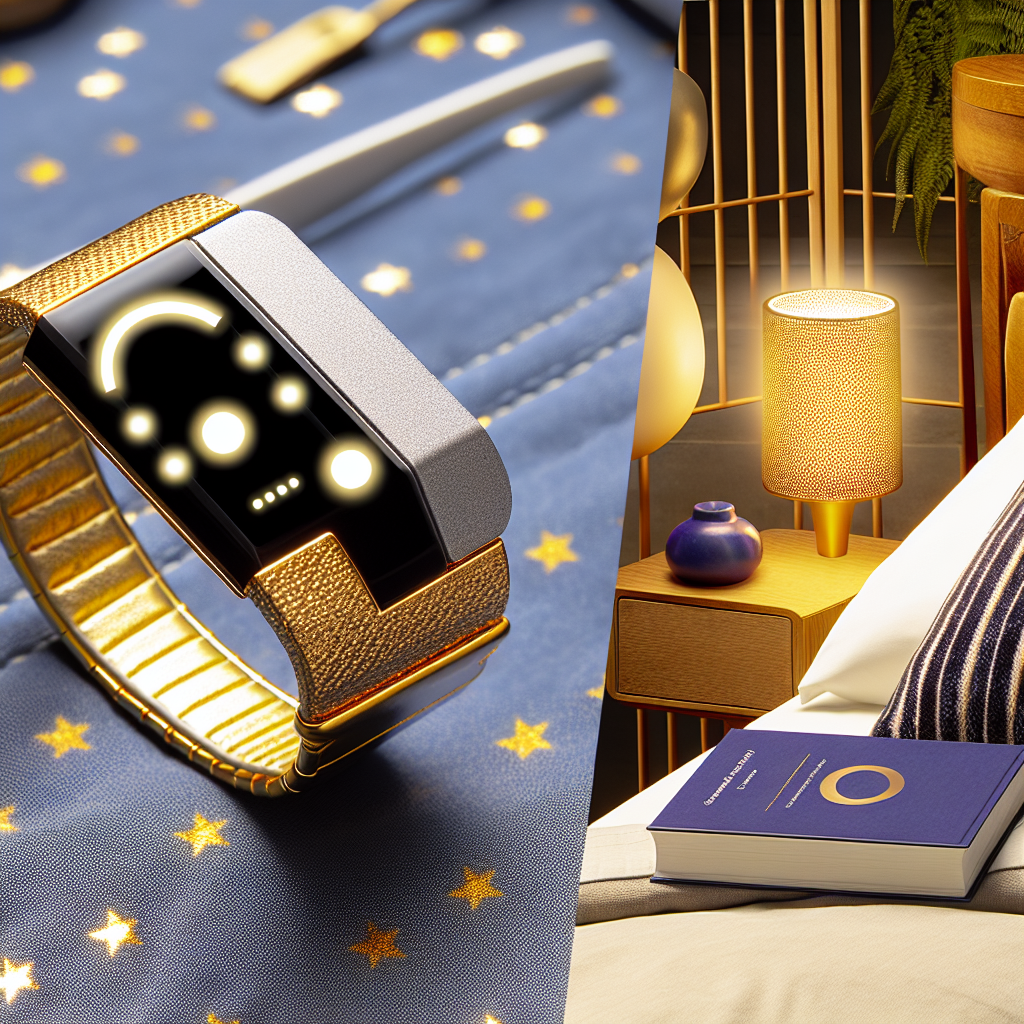
Medical professionals also focus on complementary psychological and lifestyle assessments. Recent **advancements in wearable technology** allow extended monitoring of sleep patterns, providing a fuller picture and identifying trends missed in single-night studies. This technology helps corroborate findings, offering both patients and providers a clearer understanding of genuine sleep-related issues.
**
Conclusion
**
The covert epidemic of “normal” sleep study results in individuals with sleep disorders highlights the need for comprehensive, personalized diagnosis and treatment approaches. Relying on sleep snapshots in unnatural environments fails many, leaving them underserved and worsening health outcomes. As societal sleep issues increase, medical practitioners must evolve diagnostic techniques. By integrating multi-faceted evaluations, including in-home studies, genetic considerations, and wearable trackers, we can move towards a future understanding sleep health fully, allowing tailored interventions addressing the root causes of disordered sleep.
The future of sleep medicine must shift towards **patient-centered care** beyond traditional testing. Recognizing and adjusting current limitations will validate the experiences of thousands of affected individuals, fostering improved health outcomes and a society that values sleep health.
**
Concise Summary
**
This article explores why many patients with sleep issues receive “normal” results from sleep studies, a phenomenon termed the “hidden epidemic.” It attributes this to the complexity of sleep affected by various factors and the inadequacies of traditional sleep studies conducted in unnatural environments. It calls for a holistic approach, including at-home studies, genetic considerations, and wearable tech, for improved diagnostics. The article argues for a patient-centered approach, moving beyond outdated testing, to foster better understanding and treatment of sleep disorders—ultimately improving health outcomes in our sleep-deprived society.

Dominic E. is a passionate filmmaker navigating the exciting intersection of art and science. By day, he delves into the complexities of the human body as a full-time medical writer, meticulously translating intricate medical concepts into accessible and engaging narratives. By night, he explores the boundless realm of cinematic storytelling, crafting narratives that evoke emotion and challenge perspectives.
Film Student and Full-time Medical Writer for ContentVendor.com