Sleep Apnea Is the Silent Co-Founder: Why Startup Burnout Might Be a Breathing Problem, Not a Hustle Problem
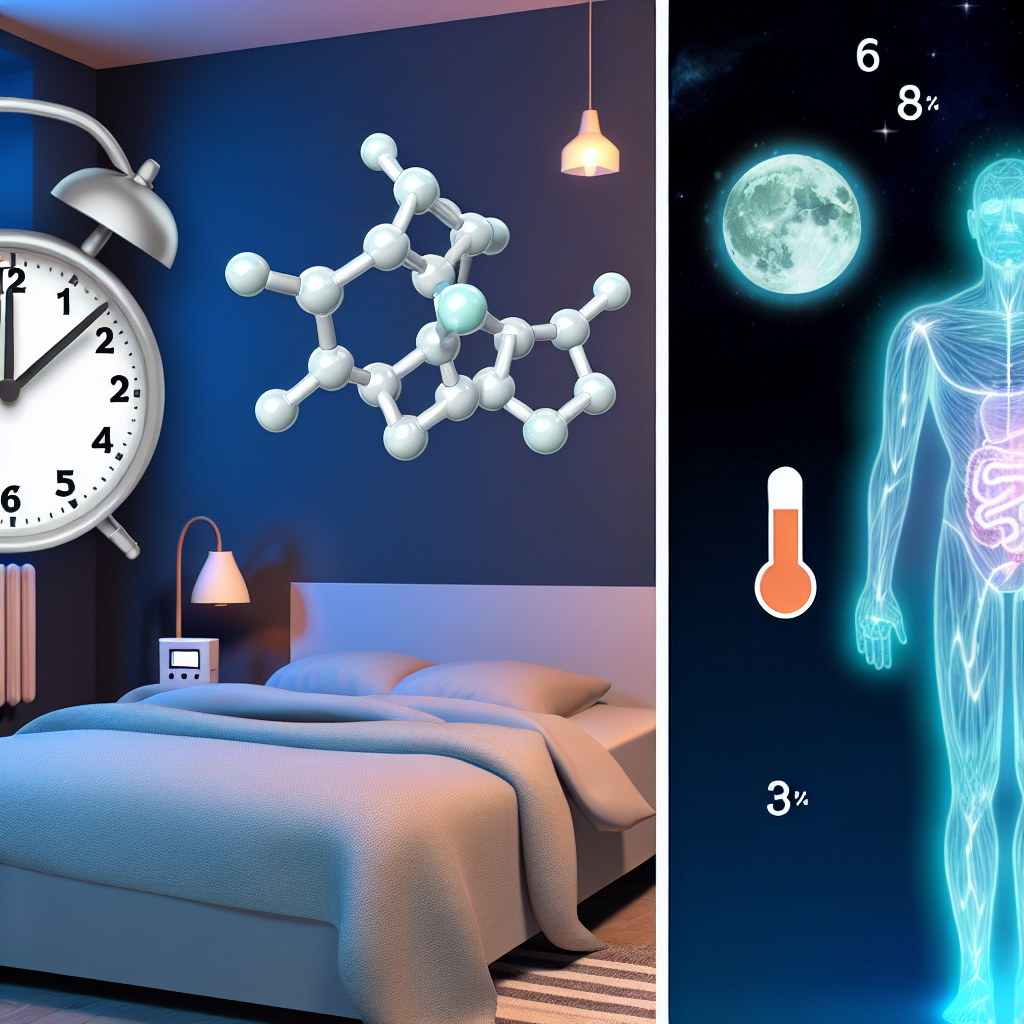
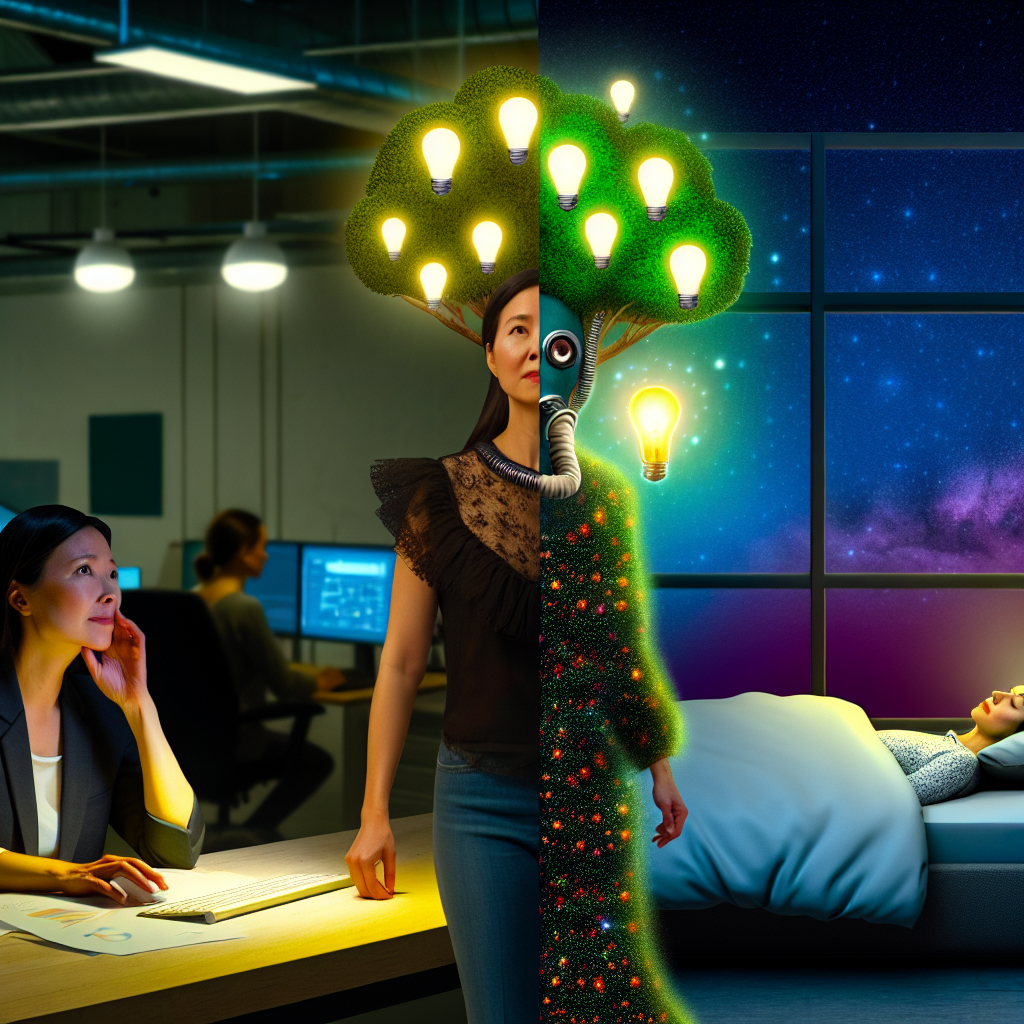
In recent years, **startup culture** has become synonymous with the **hustle**—long hours, intense focus, and a relentless pursuit of success. However, this hustle-centric mindset often glosses over a critical factor affecting both productivity and health: **sleep quality**. **Sleep apnea**, a sleep disorder that causes **breathing interruptions**, is increasingly being recognized as a silent co-conspirator in the **fatigue** commonly attributed to burnout. For many startup professionals, it’s not the workload but their breath—or lack thereof—that is sapping their energy and creativity.
**Sleep apnea** is a condition where breathing repeatedly stops and starts during sleep. **Obstructive Sleep Apnea** (OSA), the most common form, occurs when throat muscles intermittently relax and block the airway. This ailment not only drastically impacts sleep quality but is also linked to several health issues, including cardiovascular problems and cognitive impairments. Intriguingly, recent research has begun to explore the intersection between sleep disorders like apnea and **job burnout**, especially within high-pressure environments like startups.
Many startup enthusiasts in their early careers fall into the trap of dismissing persistent fatigue as merely part of the grind. However, according to experts, this fatigue could be an indicator of an untreated condition like sleep apnea, which disrupts the sleep cycle and leads to daytime drowsiness. Unlike typical stress or exhaustion, sleep apnea-induced fatigue lingers even after attempting to “catch up” on rest during the weekends. The constant sleep interruptions—often unknown to the sufferer—prevent deep, restorative sleep that the brain requires to function optimally.
A **Gallup survey** points out that approximately 40% of adults feel sleepy during the day due to inadequate rest. However, this statistic might be under-representative of actual conditions like sleep apnea, impacting people’s productivity and quality of life. Professionals in the tech industry, in particular, could be reaching for their fourth cup of coffee not because of late-night coding marathons but due to nights filled with breathing pauses. Sleep is not a luxury or a setback in the entrepreneurial journey, but a fundamental requirement that, when skewed by conditions like sleep apnea, could unknowingly seed burnout.
Professional and Medical Studies on Sleep Apnea and Burnout
Scientific investigations have shed light on how sleep apnea may contribute significantly to burnout symptoms. A study published in the Journal of Clinical Sleep Medicine highlights an increased prevalence of OSA among occupational and professional burnout sufferers. The research drew connections between fragmented sleep patterns common in apnea patients and increased stress levels, resulting in decreased workplace productivity and health-related quality of life.
Another pivotal study in the American Journal of Respiratory and Critical Care Medicine found a compelling correlation between untreated sleep apnea and reduced cognitive function. Memory lapses, attention deficits, and impaired decision-making are common complaints among those with undiagnosed apnea. When these symptoms are misattributed to burnout, individuals might double down on their work efforts, depriving themselves of the necessary rest and inadvertently exacerbating the condition.
Moreover, a 2020 study conducted by Stanford University focused on the effects of untreated sleep apnea on emotional regulation. Respondents exhibited increased irritability, stress responses, and depressive symptoms, aligning closely with clinical descriptions of burnout. Startups, often seen as stress-laden crucibles, amplify these emotional challenges, making it vital for team leaders to promote a culture that recognizes the importance of sleep health for emotional resilience and business success.
Finally, wearable technology and home sleep testing innovations have broadened accessibility for identifying sleep apnea. With improvement in diagnosing tools, startups can incorporate sleep health assessments into wellness programs, potentially unveiling latent conditions like sleep apnea in their workforce. Recognizing, diagnosing, and treating sleep apnea can pave the way for enhanced productivity and creativity, revealing that the resolution to burnout may lie not in reducing work but in improving rest.
Conclusion
Identifying sleep apnea as a silent co-founder behind burnout challenges the current discourse in startup culture. Instead of focusing solely on reducing hours, the dialogue should also prioritize examining and improving sleep quality. With the integration of professional medical consultations and advanced sleep technology, individuals can uncover whether their chronic fatigue roots lie not in their workload, but in the intangible hours spent struggling for breath at night.
Addressing sleep apnea holistically offers numerous benefits: revitalized energy, improved cognitive function, and enhanced emotional well-being—essential elements in any startup’s success toolkit. As more professionals recognize the profound impact of sleep health, tackling burnout might transition from reducing work to breathing life into restful nights, crafting a workforce that is not only sleep-empowered but also sustainably triumphant.
**Concise Summary**
Startup culture’s hustle mentality often overlooks sleep issues, blaming fatigue on workload rather than conditions like **sleep apnea**. Obstructive Sleep Apnea disrupts rest, causing prolonged fatigue, impacting productivity, and amplifying **burnout**. Studies reveal apnea’s effect on cognitive function and emotional health, yet many professionals misattribute symptoms to stress. Promoting sleep health and diagnosing apnea through technology could reduce burnout, transforming the dialogue from cutting hours to prioritizing restorative sleep, managing stress, and enhancing wellbeing in the startup ecosystem.

Dominic E. is a passionate filmmaker navigating the exciting intersection of art and science. By day, he delves into the complexities of the human body as a full-time medical writer, meticulously translating intricate medical concepts into accessible and engaging narratives. By night, he explores the boundless realm of cinematic storytelling, crafting narratives that evoke emotion and challenge perspectives.
Film Student and Full-time Medical Writer for ContentVendor.com