Why Sleep Apnea Is the New Prediabetes: The Silent Epidemic Killing Your Performance Before It Shows Up in Your Labs
Introduction
In an era where health awareness is on the rise, conditions like **prediabetes** have become household terms, prompting proactive management before full-blown diabetes develops. However, another insidious condition is slipping under the radar, impacting quality of life and health outcomes: **sleep apnea**. Similar to the stealthy onset of prediabetes, sleep apnea is a silent epidemic, weakening bodily functions and **cognitive performance** before obvious symptoms surface or diagnostic tests confirm its presence.
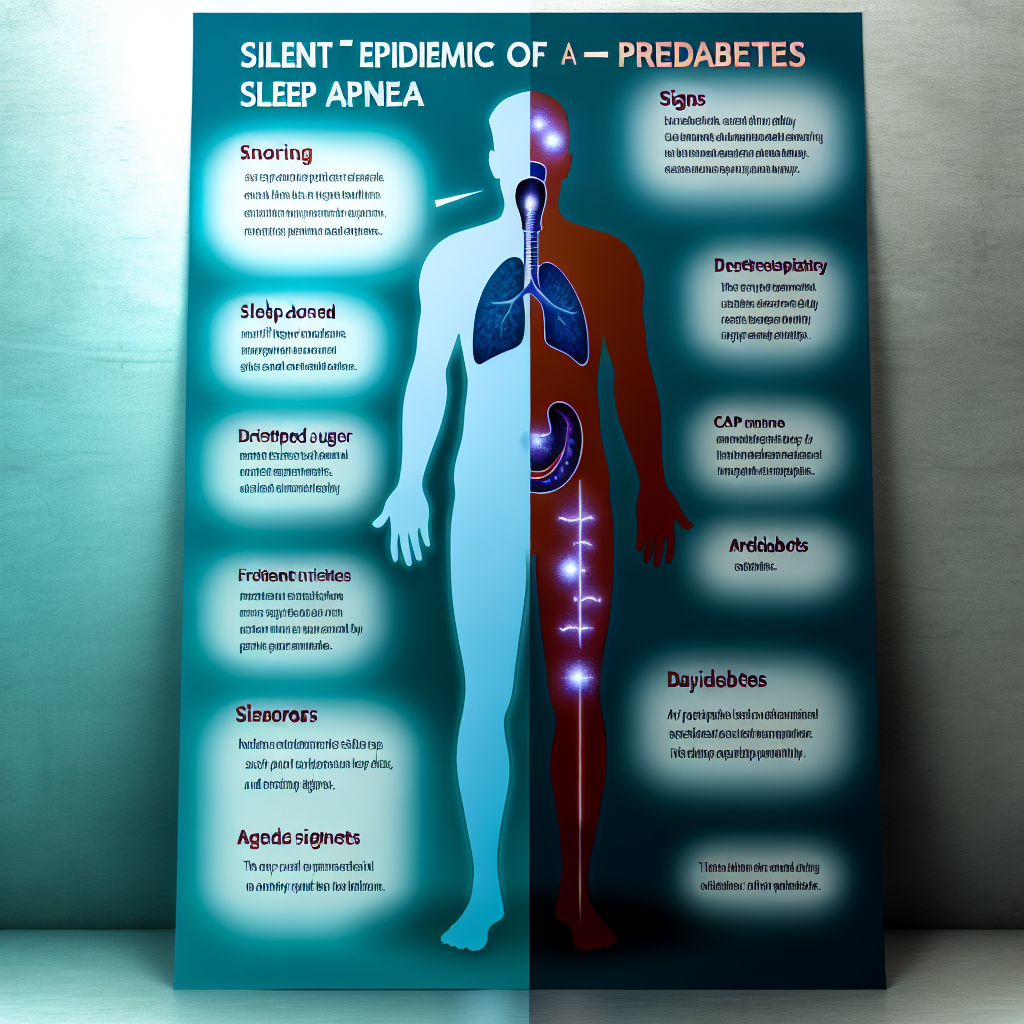
Characterized by repeated interruptions in breathing during sleep, **obstructive sleep apnea (OSA)** deprives the body of the restorative sleep necessary for optimal health. Despite affecting an estimated 22 million Americans, many people remain undiagnosed, attributing their fatigue, impaired concentration, and mood swings to everyday stressors or poor sleep hygiene. Medical experts are increasingly drawing parallels between OSA and prediabetes, not only due to their prevalence but also because both conditions significantly escalate the risk of cardiovascular diseases, cognitive impairments, and decreased life quality.
The repercussions of untreated sleep apnea extend beyond just feeling groggy. Whether it’s middle-aged professionals striving for career excellence, students aiming for academic achievement, or seniors seeking active lifestyles, the impact is universal. Poor sleep undermines physical health, stalls productivity, and tarnishes vitality and zest for life. Raising awareness and understanding why sleep apnea deserves attention akin to prediabetes can foster proactive health management strategies that bolster performance and well-being.
Features
Emerging research substantiates the critical need to address sleep apnea with the same vigor as prediabetes, given their shared potential to derail health if left unchecked. A pivotal study in the [*Journal of Clinical Sleep Medicine*](https://jcsm.aasm.org) underscores how untreated sleep apnea can lead to **metabolic dysregulations**, similar to those in prediabetes. The intermittent hypoxia during apneas triggers sympathetic nervous system overactivity, elevating blood pressure and inflammation, vital precursors to **metabolic syndrome** and cardiovascular diseases.
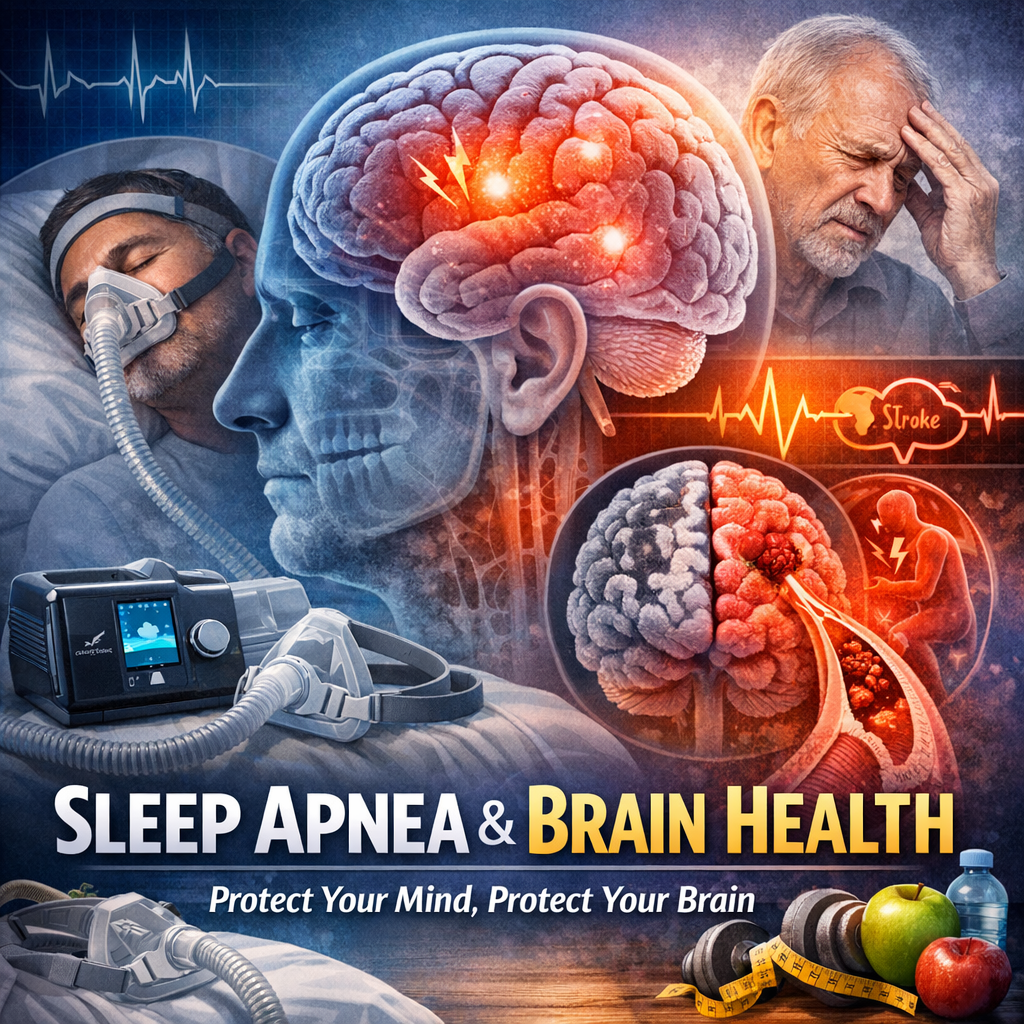
Additionally, medical insights from a comprehensive review in the [*American Journal of Respiratory and Critical Care Medicine*](https://www.atsjournals.org) reveal the cognitive consequences related to prolonged sleep apnea. Prolonged exposure to fragmented sleep and oxygen fluctuation reduces neuroplasticity, hampering cognitive functions akin to the effects seen in prediabetes-linked insulin resistance. The shared pathophysiological pathways involving oxidative stress and inflammation consolidate the correlation between these conditions.
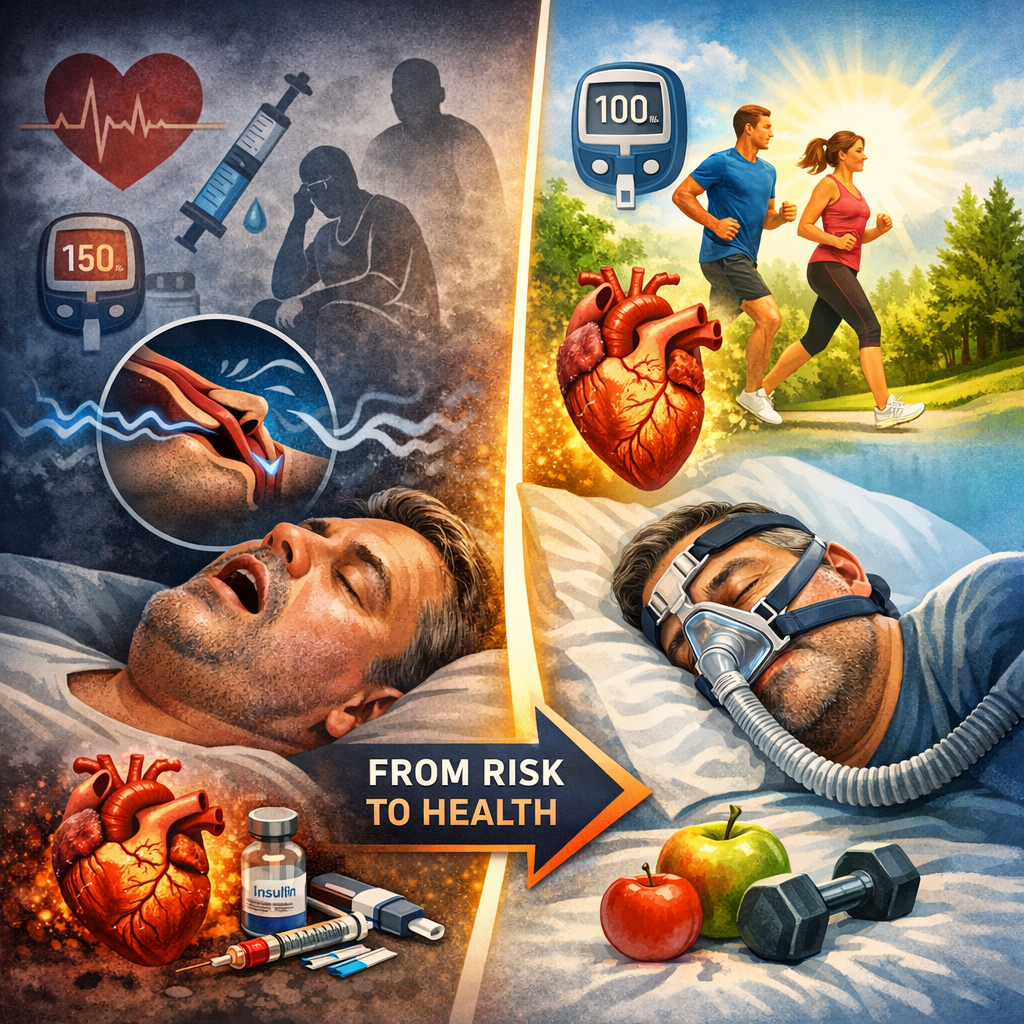
Moreover, a recent investigation in [*The Lancet Respiratory Medicine*](https://www.thelancet.com) demonstrated that effective treatment for sleep apnea (using continuous positive airway pressure, **CPAP therapy**) improved insulin sensitivity, reduced blood pressure, and enhanced cognitive performance, mirroring the benefits of interventions for prediabetes. This aligns with the understanding that addressing OSA not only mitigates its direct impacts but may also help manage or prevent the progression of metabolic disorders.
Conclusion
As sleep apnea stealthily disrupts countless lives, drawing parallels to prediabetes underscores the urgency of recognizing and addressing this sleep disorder before it manifests in severe health implications. Just as prediabetes serves as a critical intervention point for preventing type 2 diabetes, early diagnosis and management of sleep apnea can stave off its extensive repercussions on health and performance. Through increased public awareness, regular screenings, and embracing treatment options like CPAP, proactive measures can halt this silent epidemic.
Sleep is not merely a passive activity but a vital contributor to health, comparable in importance to a balanced diet and exercise. By bringing sleep apnea into the same spotlight as prediabetes, individuals are empowered to prioritize sleep health, ultimately unlocking superior performance and enhancing life quality.
**Concise Summary:** Sleep apnea, like prediabetes, is an underdiagnosed condition that can undermine health and performance before evident symptoms arise. Characterized by interrupted breathing during sleep, obstructive sleep apnea (OSA) affects millions yet remains frequently undiagnosed. Research reveals how untreated sleep apnea can lead to metabolic and cognitive impairments, echoing prediabetes’ impact on health. Effective treatment like CPAP therapy offers benefits akin to prediabetes prevention strategies. Raising awareness and fostering proactive management of sleep apnea can prevent its deleterious health effects and enhance overall quality of life.

Dominic E. is a passionate filmmaker navigating the exciting intersection of art and science. By day, he delves into the complexities of the human body as a full-time medical writer, meticulously translating intricate medical concepts into accessible and engaging narratives. By night, he explores the boundless realm of cinematic storytelling, crafting narratives that evoke emotion and challenge perspectives.
Film Student and Full-time Medical Writer for ContentVendor.com