Breaking the Silence: Revolutionary AI Tools in Sleep Apnea Detection and Management
Introduction
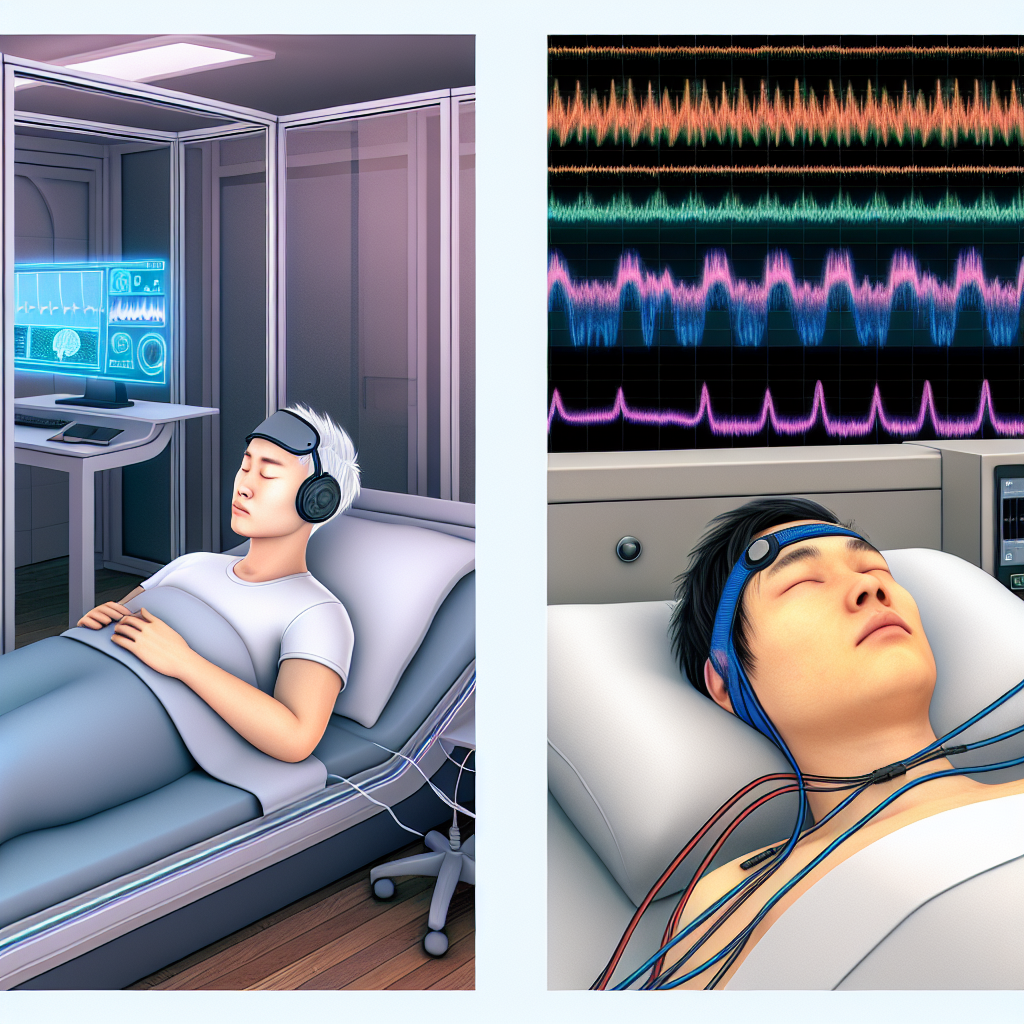
**Sleep apnea** is a common but serious condition often linked to health issues like **hypertension**, **heart disease**, and **diabetes**. Characterized by repeated interruptions in breathing during sleep, it affects millions globally, with many going undiagnosed. Traditional diagnosis methods include overnight **polysomnography tests** in sleep centers, which can be costly and inconvenient. Recent advancements in **artificial intelligence (AI)** offer revolutionary approaches in managing this condition. AI excels in analyzing vast data precisely, allowing timely insights into complex conditions like sleep apnea. These tools provide non-intrusive, accurate, and accessible options. AI-driven technologies, such as **smart wearable devices**, **mobile applications**, and **cloud-based data analytics**, are transforming sleep apnea management from a clinical perspective.
Such innovations not only enhance diagnostic processes but also allow individuals to access information and control over their health. Moreover, AI tools improve with more data, offering refined individualized care. This transformation aligns with a holistic healthcare shift towards personalized, patient-driven approaches. These advancements are crucial for improving life quality and mitigating untreated sleep apnea’s long-term health implications. As AI permeates healthcare, understanding its role opens possibilities, promising improved outcomes and potentially changing sleep apnea management. This article explores AI technologies in sleep apnea, examining pivotal studies underlining their efficacy and future potential.
Features
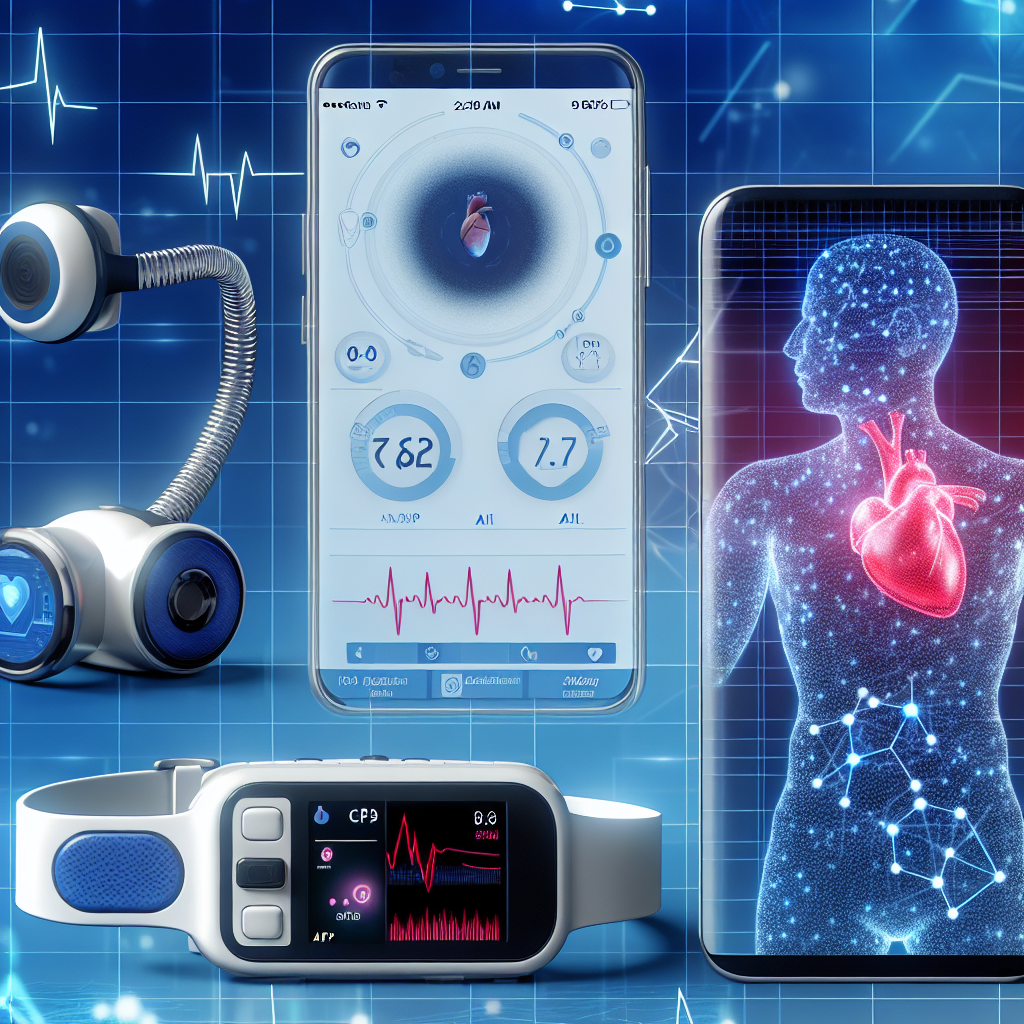
AI’s rise in healthcare is supported by studies outlining its efficacy in **sleep apnea detection** and management. A notable study in [Nature and Science of Sleep](https://www.dovepress.com/nature-and-science-of-sleep-journal) highlights **AI algorithms** integrated with **wearable technology**. These algorithms analyze physiological signals like **heart rate variability** and **respiratory patterns** to identify apnea episodes accurately. This technology is particularly beneficial in home settings where traditional sleep studies may not be feasible.
Another study in the [Journal of Clinical Sleep Medicine](http://jcsm.aasm.org/) emphasizes **machine learning algorithms** processing overnight oximetry data, achieving accuracy levels similar to traditional polysomnography tests. This breakthrough allows reliable, less intrusive, and costly sleep apnea diagnosis, enhancing accessibility, especially in underserved populations.
Research at **Stanford University** suggests smartphone technology using built-in sensors and microphones to monitor sleep patterns. Utilizing AI, these devices detect irregular breathing and **snoring**, alerting users to potential sleep apnea. Such technology allows early intervention, providing convenient, continuous monitoring that prompts users to seek medical advice.
Moreover, **AI-assisted CPAP** (Continuous Positive Airway Pressure) devices revolutionize sleep apnea treatment by adjusting air pressure in real-time in response to a user’s breath patterns. [Chest Journal](https://journal.chestnet.org/) showcases studies on smart CPAP machines with improved compliance and patient outcomes compared to traditional models. These devices also relay data to healthcare providers, facilitating better monitoring and customized treatment plans.
In summary, AI-driven technologies for sleep apnea are game-changers in diagnosis and treatment, serving preventive purposes. These innovations create a paradigm shift in sleep disorder approaches, emphasizing accessibility, personalization, and healthcare delivery improvements.
Conclusion
Integrating AI tools in **sleep apnea detection** and management marks a monumental healthcare leap. Offering precise, accessible, and cost-effective solutions democratizes the diagnosis and management of a condition historically underdiagnosed. From **wearable devices** and **smartphone applications** to AI-driven CPAP machines, technology reduces barriers to effective treatment, empowering individuals to take charge of their sleep health.
As AI evolves, its sleep apnea applications will expand, enhancing patient experiences and outcomes. Advancements emphasize adapting and adopting innovative healthcare solutions to meet patients’ needs. Awareness and research continuously improve prospects for sleep apnea-affected individuals, promising a future where silent nights no longer imply unaddressed health concerns.
**Concise Summary:**
*Artificial intelligence (AI) is transforming sleep apnea detection and management by providing non-intrusive, accurate, and accessible solutions like wearable devices and AI-driven CPAP machines. These technologies offer personalized patient care, improve diagnosis, and increase treatment accessibility, especially in underserved populations. Studies highlight AI’s effectiveness in analyzing physiological signals and using smartphone technology for monitoring. Such advancements not only enhance diagnosis and treatment but also empower individuals with control over their health. As AI continues to evolve, it promises improved outcomes and a brighter future for those affected by sleep apnea.*

Dominic E. is a passionate filmmaker navigating the exciting intersection of art and science. By day, he delves into the complexities of the human body as a full-time medical writer, meticulously translating intricate medical concepts into accessible and engaging narratives. By night, he explores the boundless realm of cinematic storytelling, crafting narratives that evoke emotion and challenge perspectives.
Film Student and Full-time Medical Writer for ContentVendor.com