Breathing, the Hidden Key to Longevity: Connecting Sleep Medicine and Anti-Aging Breakthroughs
In recent years, the quest for **longevity** has evolved far beyond miracle creams and dietary supplements. Groundbreaking research is now highlighting the profound impact of proper **breathing techniques** on both **sleep quality** and the aging process. While we often take breathing for granted, this simple, yet vital, physiological process is increasingly shown to hold the key to a healthier, longer life. **Sleep medicine**, traditionally centered on diagnosing and treating sleep disorders, is now branching into what might seem an unlikely area: the subtle art of breathing.
Breathing effectively regulates the body’s vital functions, influencing systems from cardiovascular health to mental clarity. It plays a sophisticated role in how well we sleep, with sleep quality being a critical component of a youthful, energetic demeanor. Scientists have started to reveal surprising connections between **optimal breathing**, improved sleep patterns, and the delay of age-related diseases. This revolutionary exploration is proving especially relevant for diverse age groups, highlighting breathing as a foundational building block for lifelong vitality.
At night, when we rest our heads and close our eyes, our breathing rhythm shifts naturally into a slower, more deliberate pace, facilitating the transition into deep, restorative sleep. This is not merely a matter of taking breath for granted; instead, focused, controlled breathing can activate the **parasympathetic nervous system**, substantially lowering stress and fostering physical and mental recovery. As these functions repair and rejuvenate cells, a direct link to anti-aging emerges, marking breathing as an essential practice for maintaining youthfulness and extending lifespan.
Breathing exercises, such as those incorporated in disciplines like **yoga** and **mindfulness meditation**, are now being recommended by sleep specialists to enhance sleep hygiene and combat insomnia. The synergy between a good night’s sleep and anti-aging lies in the details, with controlled breathing fostering better oxygenation, detoxification, and ultimately, **cellular regeneration**. These discoveries not only provide insight into longevity but also empower individuals with effective strategies to enhance their quality of life at any age.
Features
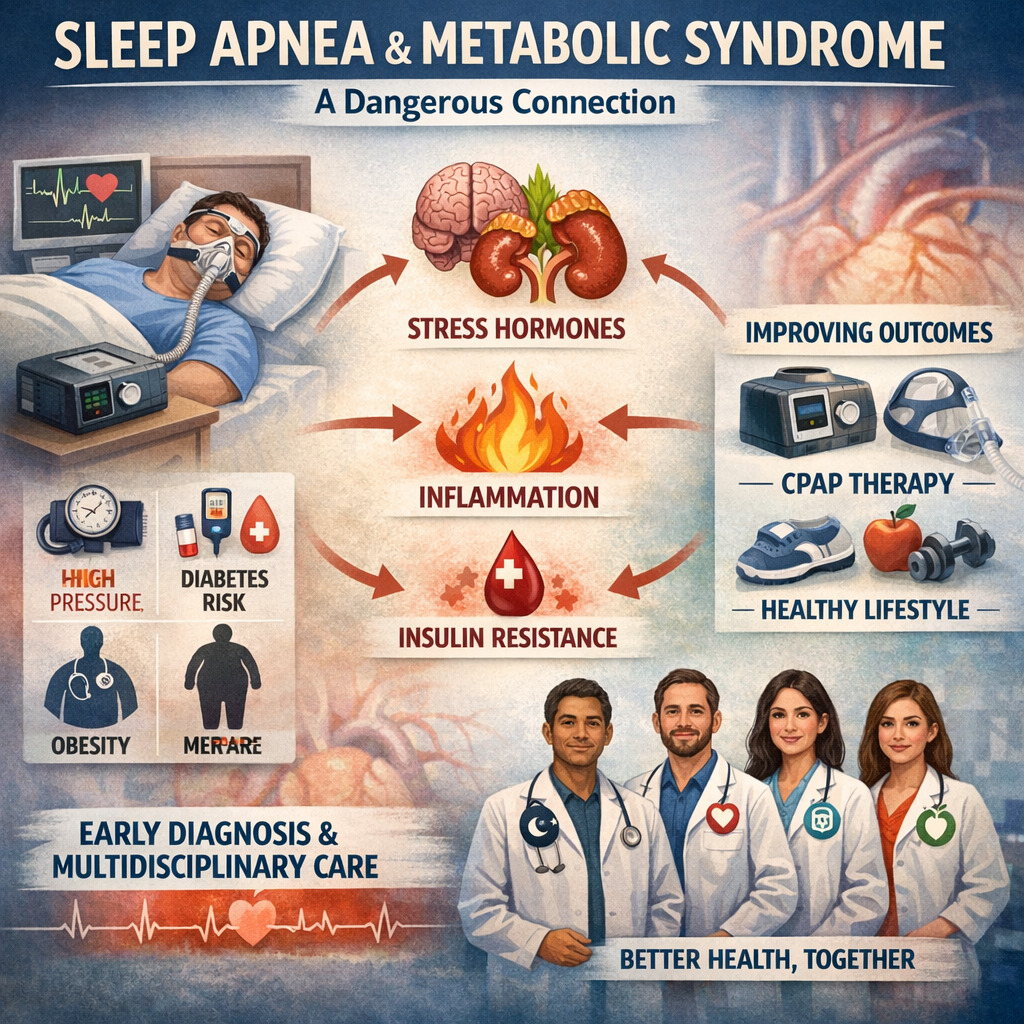
The nexus between breathing and longevity has been a subject of burgeoning research in medical and sleep studies. One such investigation involves the connection between **sleep apnea**, a disorder marked by disrupted breathing, and its deleterious effects on aging. A study published in the *American Journal of Respiratory and Critical Care Medicine* found that untreated sleep apnea accelerated the biological aging process, contributing to the earlier onset of age-related conditions like cardiovascular diseases and cognitive decline. The research underscores the necessity of maintaining unimpeded, rhythmic breathing during sleep to promote longevity.
A prominent study conducted by [Dr. Mehmet Oz](https://www.drozshow.com/) highlighted the role of deep, diaphragmatic breathing in stimulating the body’s relaxation response, beneficially impacting sleep quality and duration. Participants who practiced consistent breathing techniques reported improved sleep, reduced stress levels, and increased mental clarity. This aligns with a [Harvard Medical School report](https://www.health.harvard.edu/) that promotes the importance of breathing exercises to enhance sleep, as they can reduce anxiety and activate the parasympathetic nervous system, fostering deeper, more rejuvenating sleep.
The act of conscious breathing also extends its benefits to cellular activity. Research featured in [Cell Reports](https://www.cell.com/cell-reports) investigated how controlled breathing affects the **mitochondria**, the powerhouses of our cells responsible for energy production and repair. The findings revealed that intentional breathing enhanced mitochondrial efficiency, leading to improved cellular repair mechanisms and slower aging at the cellular level. This cellular health translates into preserved biological functions and delayed onset of senescence, underpinning the critical role of breathing in age preservation and vitality.
These studies fundamentally affirm the interconnectedness of breathing, sleep medicine, and anti-aging strategies, suggesting that a focus on how we breathe can lead to holistic health benefits that span across age demographics.
Conclusion
As the medical community continuously delves into the intricacies of aging and optimal health, breathing emerges as a subtle yet influential conduit linking sleep quality with longevity. Practicing controlled and deliberate breathing enhances not only our nightly rest but also offers cellular defense against the tide of time, dovetailing seamlessly with anti-aging strategies. With practical implications for every age, embracing conscious breathing habits can lead to transformative health improvements. By prioritizing how we breathe, we unlock a natural, accessible pathway to a vibrant, lasting life. As mindfulness practices gain traction and evidence mounts, breathing stands as a hopeful beacon for those seeking to harmonize their natural rhythms with the cycles of life—ensuring that every breath we take contributes to our health and longevity.
Concise Summary
The article explores how proper breathing techniques are key in improving sleep quality and delaying aging processes, emphasizing scientific studies linking optimal breathing with health benefits. Studies reveal that breathing effectively can improve cardiovascular health, enhance mental clarity, activate the parasympathetic nervous system, and support cellular repair. This research highlights breathing exercises, such as those found in yoga and mindfulness practices, as tools for improving sleep and longevity. Integrating controlled breathing into daily life promotes detoxification and cellular regeneration, providing holistic health benefits crucial for maintaining youthfulness and extending lifespan.

Dominic E. is a passionate filmmaker navigating the exciting intersection of art and science. By day, he delves into the complexities of the human body as a full-time medical writer, meticulously translating intricate medical concepts into accessible and engaging narratives. By night, he explores the boundless realm of cinematic storytelling, crafting narratives that evoke emotion and challenge perspectives.
Film Student and Full-time Medical Writer for ContentVendor.com