The Apnea Epidemic: Why Sleep Apnea May Be the Silent Trigger Behind Metabolic Syndrome
Introduction
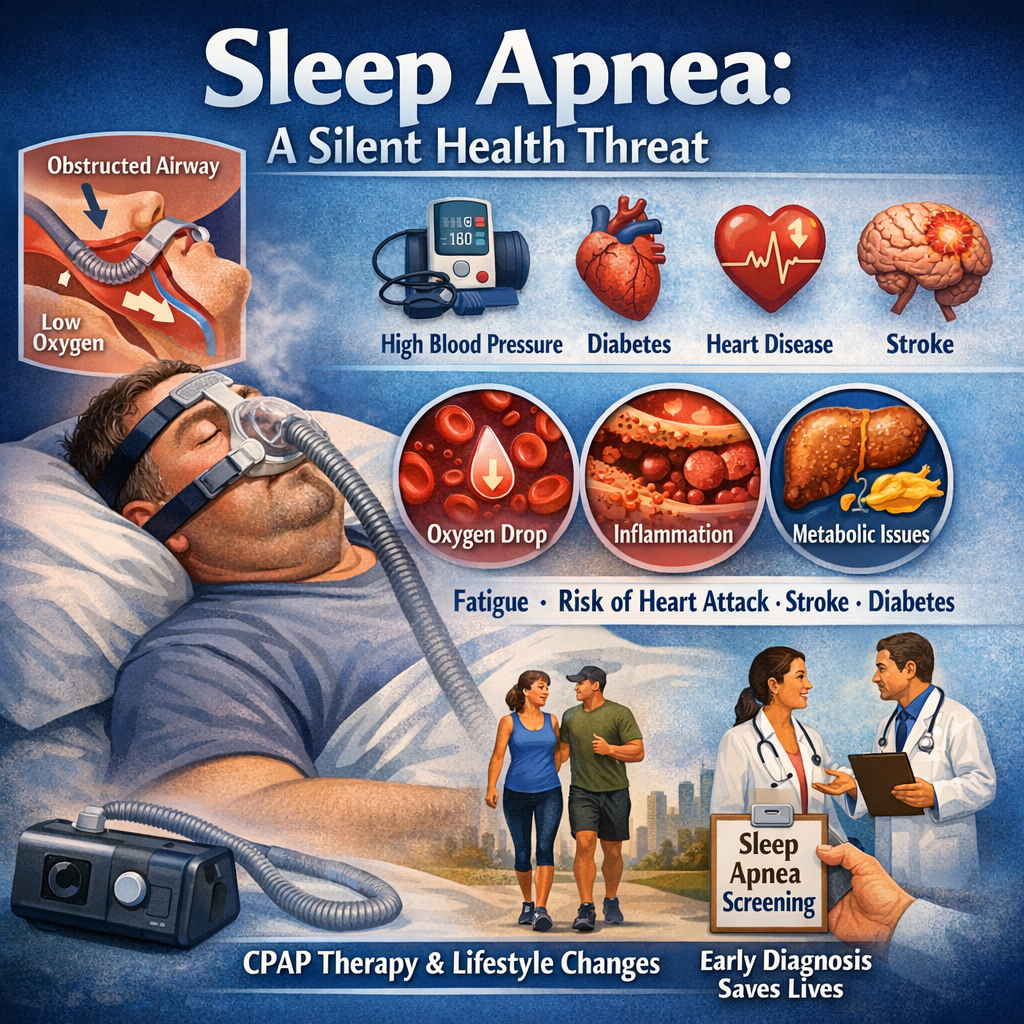
**Sleep apnea** is a deeply unsettling disorder characterized by recurring interruptions in breathing during sleep. Despite its potentially grave health implications, this condition often remains undiagnosed, leading to its nickname as the “silent epidemic.” Recent studies have brought to light a concerning link between sleep apnea and a condition known as **metabolic syndrome**—a cluster of risk factors that significantly increase the likelihood of developing **heart disease**, **diabetes**, and **stroke**.
**Metabolic syndrome** itself is a modern-day health crisis, primarily driven by poor lifestyle choices and increasing obesity rates. It includes a constellation of symptoms: high blood pressure, high blood sugar levels, excess body fat around the waist, and abnormal cholesterol levels. These factors collectively heighten the risk for cardiovascular diseases and type 2 diabetes. Now, emerging research signifies that sleep apnea could be the silent trigger exacerbating this syndrome, turning the apnea epidemic into a much larger health menace.
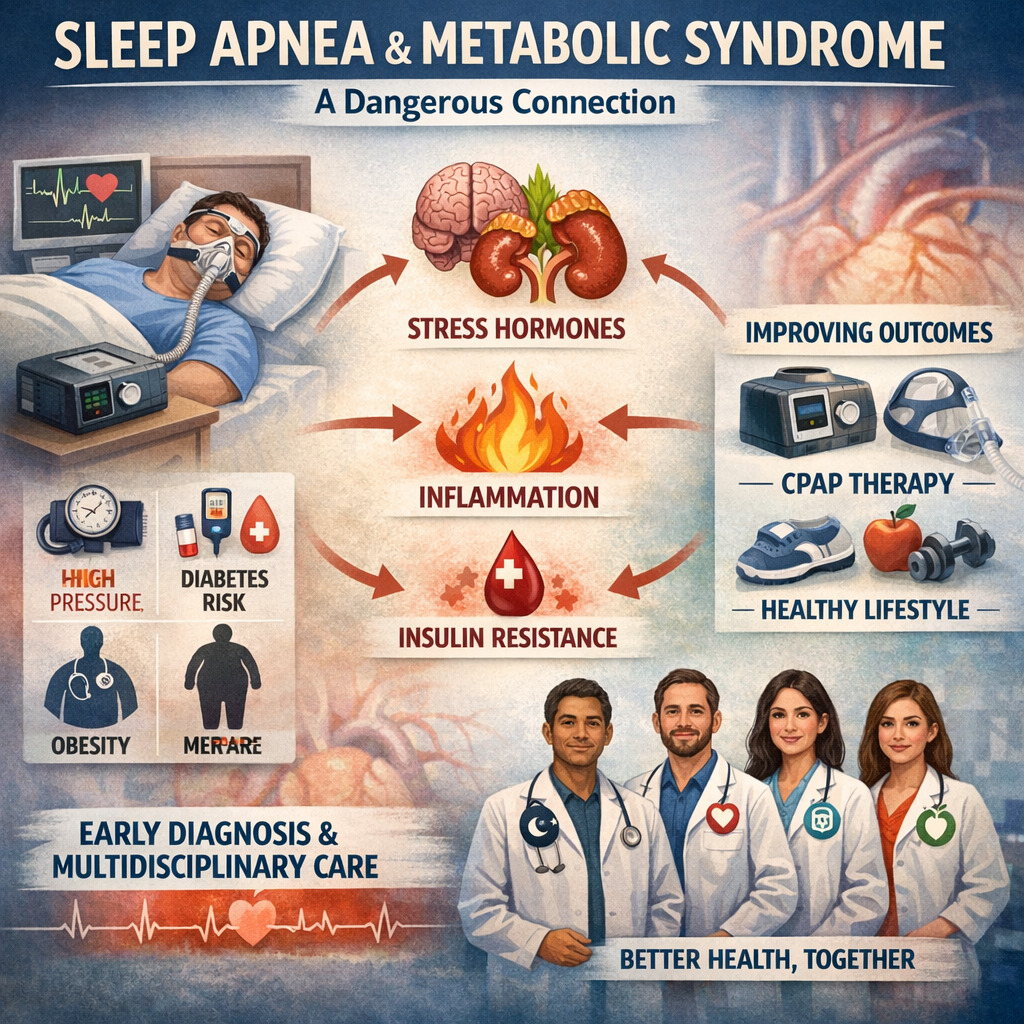
While many factors contribute to metabolic syndrome, sleep apnea might be an independent risk factor. The physiological disturbances from impaired breathing during sleep can lead to a cascade of harmful effects on the body’s metabolic processes. For instance, **obstructive sleep apnea (OSA)**, the most common type, causes the oxygen levels in the blood to drop intermittently, leading to increased stress on the cardiovascular system. In response, the body releases stress hormones like cortisol, which can drive up blood pressure and blood sugar.
Moreover, sleep disturbances caused by apnea can lead to poor quality sleep and fatigue, resulting in impaired glucose metabolism and insulin resistance—the core features of metabolic syndrome. This bidirectional relationship suggests that treating sleep apnea could potentially alleviate some components of metabolic syndrome, thereby reducing the risks of more severe complications.
Understanding the significant overlap between sleep apnea and metabolic syndrome is vital for managing both conditions effectively. **Education and awareness** play key roles, and as more individuals learn about this association, they might be more inclined to seek evaluation and treatment for sleep apnea.
Features
A growing body of research supports the association between sleep apnea and metabolic syndrome. One pivotal study published in the *Journal of Clinical Sleep Medicine* found that individuals with obstructive sleep apnea were at a significantly higher risk for metabolic syndrome compared to those without apnea. The study involved a large cohort over several years, reinforcing the need for comprehensive screening for sleep apnea in individuals displaying signs of metabolic syndrome.
Another study by the *American Journal of Respiratory and Critical Care Medicine* explored how continuous positive airway pressure (CPAP) treatment for sleep apnea could improve metabolic outcomes. **CPAP**, a common and effective treatment for sleep apnea, helps keep the airway open during sleep, preventing apnea episodes and their cascading effects. The study concluded that individuals adhering to CPAP therapy showed substantial improvements in insulin sensitivity and reductions in blood pressure.
Furthermore, research highlighted in *The Lancet* elaborated on how untreated sleep apnea led to increased sympathetic nervous system activity and elevated levels of inflammatory markers like **C-reactive protein**. This systemic inflammation and heightened sympathetic activity contribute to the risk of developing metabolic syndrome features, such as hypertension and insulin resistance.
However, the intersection of sleep apnea and metabolic syndrome is not solely one of risk but also offers a unique opportunity for intervention. Advanced treatment modalities tailored to address both conditions concurrently is an exciting frontier in sleep medicine. Addressing the airway obstructions through lifestyle modifications and treatment adherence can have a profound impact on metabolic health.
The interrelation between sleep apnea and metabolic syndrome also highlights the importance of multidisciplinary approaches in healthcare. Collaboration between sleep specialists, endocrinologists, and cardiologists can facilitate comprehensive care strategies, incorporating lifestyle interventions, medical therapies, and patient education to address the full scope of these interlinked health issues.
Conclusion
The link between sleep apnea and metabolic syndrome is a compelling example of how interconnected our bodily systems truly are. While sleep apnea often lurks in the background as a silent disruptor of health, its role in amplifying the risks associated with metabolic syndrome cannot be underestimated. By bringing both conditions to the forefront, healthcare providers can leverage this knowledge to implement more effective prevention and treatment strategies.
In essence, tackling sleep apnea could serve as a pivotal step in managing and perhaps preventing the broader health ramifications of metabolic syndrome. As research continues to unravel the complexities of these relationships, it is increasingly clear that awareness, early diagnosis, and consistent treatment can make a significant difference in patient outcomes. Encouraging a multidisciplinary approach can aid in addressing the apnea epidemic and thereby mitigate its impact on metabolic health, ultimately leading to improved quality of life for millions.
**References**
1. [Journal of Clinical Sleep Medicine](https://jcsm.aasm.org)
2. [American Journal of Respiratory and Critical Care Medicine](https://www.atsjournals.org/journal/ajrccm)
3. [The Lancet](https://www.thelancet.com)
**Concise Summary**
Sleep apnea, characterized by breathing interruptions during sleep, is linked to metabolic syndrome—a risk factor cluster for heart disease, diabetes, and stroke. Studies suggest sleep apnea worsens metabolic risks by affecting blood oxygen levels, stress hormones, and insulin resistance. Key treatments like CPAP show improved metabolic outcomes. This association underscores the need for integrated healthcare approaches, combining education with treatment, to address these interconnected conditions and improve patient health outcomes. Addressing sleep apnea could mitigate the broader impacts of metabolic syndrome, signaling the significance of early diagnosis and multidisciplinary intervention.

Dominic E. is a passionate filmmaker navigating the exciting intersection of art and science. By day, he delves into the complexities of the human body as a full-time medical writer, meticulously translating intricate medical concepts into accessible and engaging narratives. By night, he explores the boundless realm of cinematic storytelling, crafting narratives that evoke emotion and challenge perspectives.
Film Student and Full-time Medical Writer for ContentVendor.com