The Silent Pandemic: Is Your “Normal” Snoring a Cardiovascular Time Bomb?
*Introduction:*
In the hushed quiet of night, a ubiquitous symphony of sound often echoes through many households. This symphony—**snoring**—might seem benign, even humorous to some, but beneath the surface, it could be the quiet manifestation of a hidden **health crisis**. While many dismiss snoring as a harmless nuisance, recent research suggests that what is often considered **“normal” snoring** can be far more insidious, functioning as a silent precursor to a spectrum of **cardiovascular complications**. This revelation demands our immediate attention as it underscores snoring not just as a sleep disturbance but as a potential indicator of deeper health issues.
**Snoring** occurs when airflow through the nose and mouth is partially obstructed during sleep, resulting in the vibration of throat tissues. It affects nearly 90 million adults across the United States alone, and while it is more common among men and individuals who are overweight, it can affect anyone, regardless of age or gender. The disturbingly prevalent nature of snoring has often led to it being neglected in medical assessments, especially when presented without other symptoms. However, the growing body of research connecting recurrent snoring to **cardiovascular risks** paints a compelling picture that calls for a re-evaluation of how we perceive this nocturnal breathing irregularity.
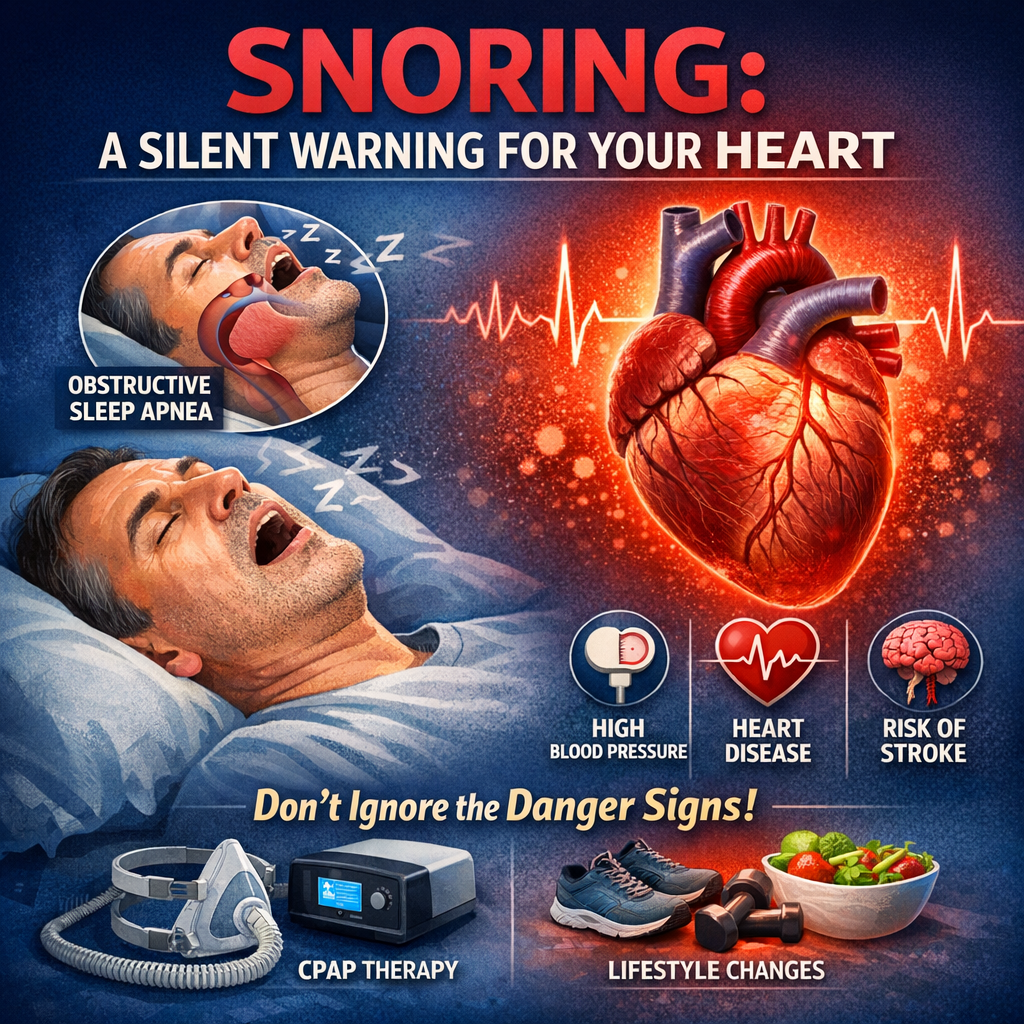
**Cardiovascular diseases (CVDs)** remain the leading cause of death globally, and understanding all potential contributing factors is crucial. Emerging evidence illustrates a strong correlation between snoring and conditions such as **hypertension**, **coronary artery disease**, and even **stroke**. The physiological stress of interrupted breathing patterns places immense pressure on the cardiovascular system. Furthermore, snoring can lead to **obstructive sleep apnea (OSA)**, a severe disorder characterized by periods of complete cessation of breathing during sleep, significantly magnifying the risks of heart-related conditions.
Recognizing snoring as more than a “normal” peculiarity empowers individuals to seek medical guidance that may uncover cardiovascular threats early, potentially preventing life-threatening events. It’s vital for individuals, families, and healthcare professionals to acknowledge the risks associated with persistent snoring and to adopt proactive measures in the pursuit of sound cardiovascular and sleep health.
*Features:*
A multitude of studies conducted over recent years have reinforced the connection between habitual **snoring** and increased **cardiovascular risk**. A landmark study published in the [“American Journal of Respiratory and Critical Care Medicine”](https://www.atsjournals.org/) revealed that individuals who snore regularly are twice as likely to develop **hypertension** compared to non-snorers. Hypertension, or high blood pressure, is notorious for its role in **heart attacks, strokes**, and other cardiovascular disorders. The study advocates for snoring assessments to be integrated into routine medical evaluations, highlighting the importance of addressing sleep disturbances in cardiovascular prevention strategies.
Moreover, research from the University of Wisconsin’s [Sleep Cohort Study](https://www.ncbi.nlm.nih.gov/) correlated habitual snoring with a significant increase in the incidence of **heart disease**. Participants who snored regularly had a marked increase in carotid artery thickness, an early indicator of **atherosclerosis**—a precursor to chronic cardiovascular issues. This thickening of artery walls is attributed to the low oxygen levels and the physiological stress imposed on the body during disrupted sleep cycles.
Further elaborating on this, a study from [“The Lancet Respiratory Medicine”](https://www.thelancet.com/series/respiratory-medicine) focused on **obstructive sleep apnea**, a condition directly linked with snoring. Participants with untreated **OSA** demonstrated a heightened incidence of **atrial fibrillation**, a serious heart rhythm disorder. This study elucidated how the repetitive interruption of regular breathing patterns leads to oxygen deprivation and significant oxidative stress on the heart, increasing the risk of severe **cardiovascular events**.
The intertwined relationship between snoring and cardiovascular health is undeniable, urging individuals and healthcare systems to shift their perception of snoring—from a mundane annoyance to a critical health marker. Emphasizing the importance of sleep studies and timely interventions, these findings advocate for the integration of sleep assessment in routine health check-ups, evolving our understanding and management of cardiovascular risks related to snoring.
*Conclusion:*
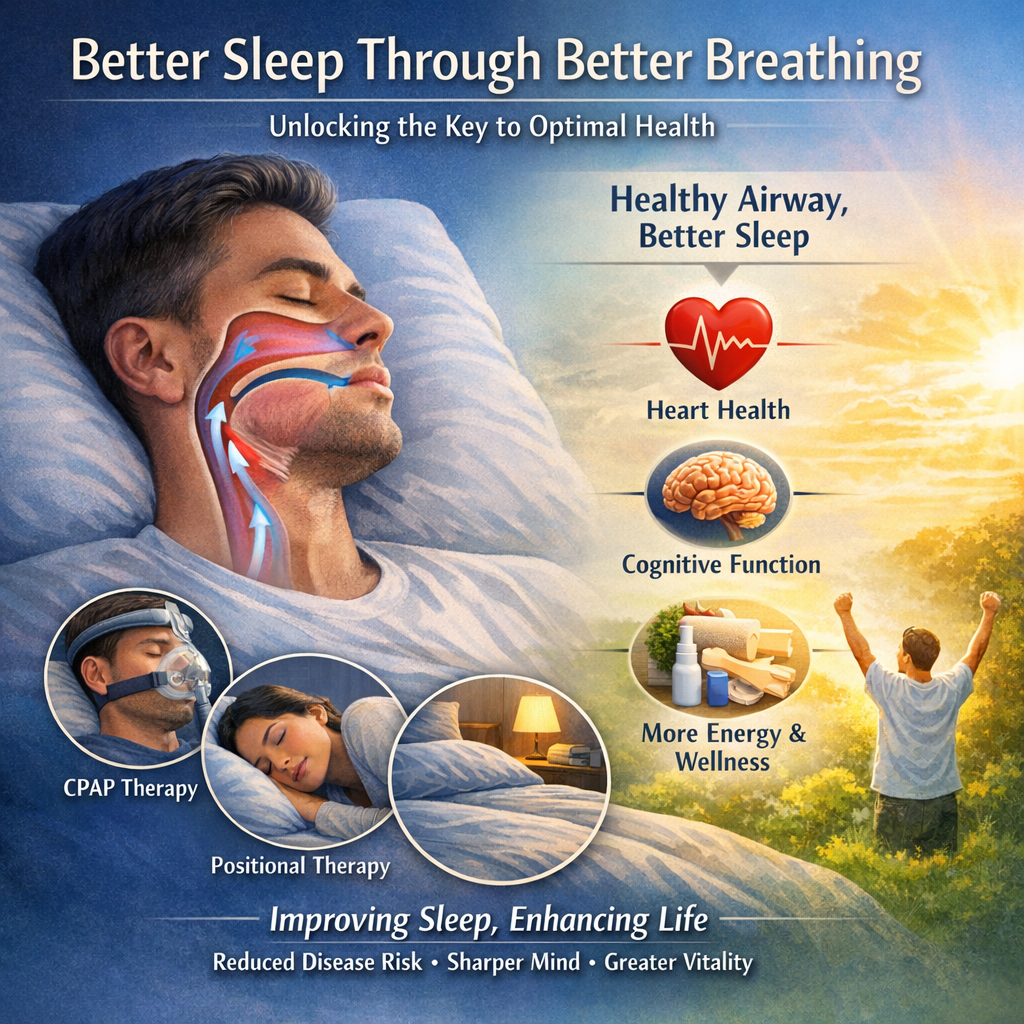
As we navigate the complexities of modern health challenges, the silent pandemic of **snoring** must be prioritized alongside other well-established **risk factors**. Recognizing that “normal” snoring may masquerade as an early symptom of severe **cardiovascular conditions** empowers both individuals and healthcare providers to adopt a preventative approach. By seeking timely medical advice, incorporating healthy lifestyle changes, and potentially undergoing therapeutic interventions like **continuous positive airway pressure (CPAP)** for sleep apnea, many of the associated risks can be mitigated. Let’s not dismiss snoring as trivial, but rather address it as the potential cardiovascular time bomb it truly represents. Encouraging awareness and proactive health management can open the door to longer, healthier lives.
*Concise Summary:*
Snoring, often seen as a benign, everyday annoyance, may actually signal deeper health risks, notably concerning cardiovascular health. Research shows that regular snoring is linked to an increased risk of conditions like hypertension, coronary artery disease, stroke, and obstructive sleep apnea (OSA). These connections highlight the need to view snoring seriously, encouraging medical evaluation to potentially uncover hidden cardiovascular threats. By changing perceptions of snoring and integrating appropriate interventions, such as CPAP for sleep apnea, individuals can significantly mitigate these health risks and improve their overall longevity and well-being.

Dominic E. is a passionate filmmaker navigating the exciting intersection of art and science. By day, he delves into the complexities of the human body as a full-time medical writer, meticulously translating intricate medical concepts into accessible and engaging narratives. By night, he explores the boundless realm of cinematic storytelling, crafting narratives that evoke emotion and challenge perspectives.
Film Student and Full-time Medical Writer for ContentVendor.com