Harnessing AI to Decode Hidden Sleep Disorders: Are Your Sleep Tech Devices Missing the Mark?
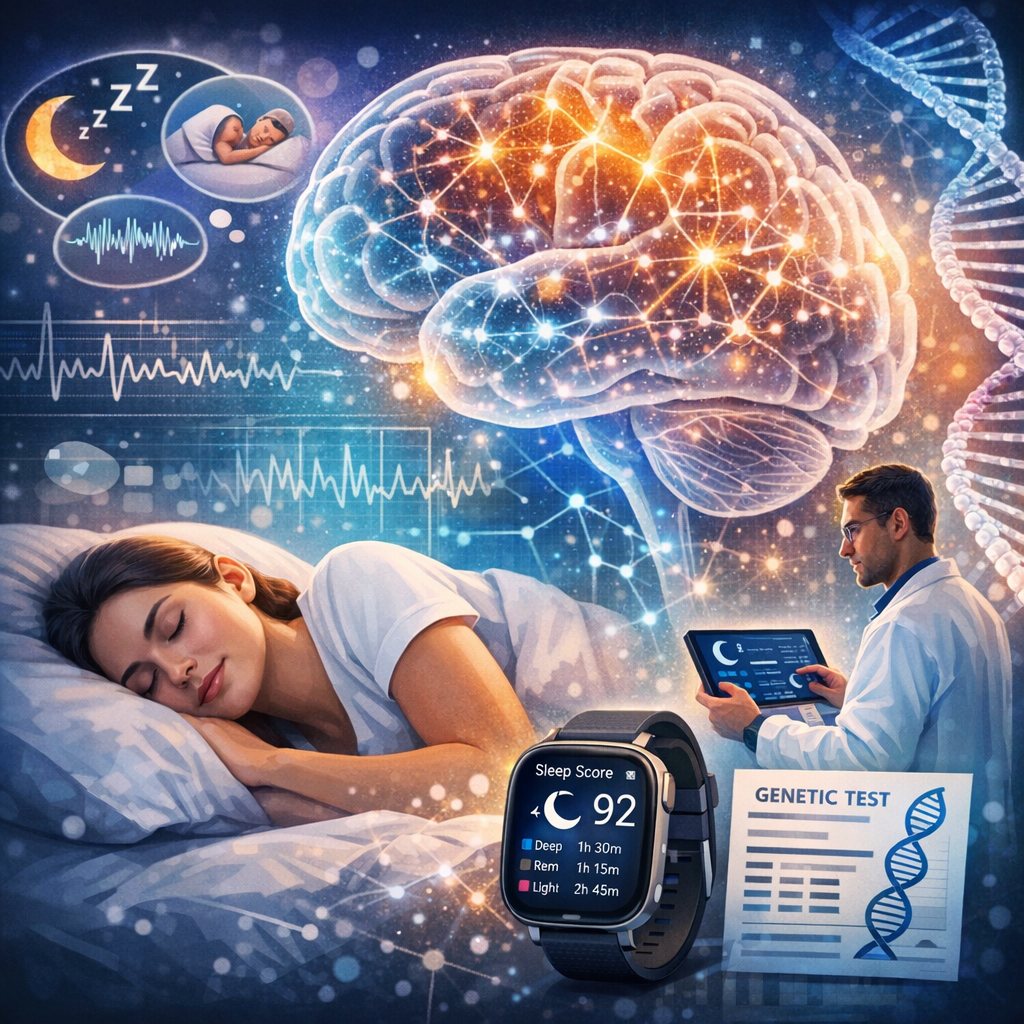
Sleep is a fundamental aspect of human health, governing our ability to function effectively during the day. Yet, millions across the globe suffer from **sleep disorders**, often undiagnosed or mismanaged. As technology advances, many have turned to **sleep tech devices** like smart mattresses, apps, and wearable gadgets with the hope of better understanding and improving their sleep. Although these devices have made strides in personal **sleep monitoring**, there may be more beneath the surface than they reveal. Enter **artificial intelligence** (AI) – a revolutionary tool with the potential to unlock insights that are often hidden from the basic metrics provided by consumer sleep tech devices.
The Transformative Role of AI in Sleep Medicine
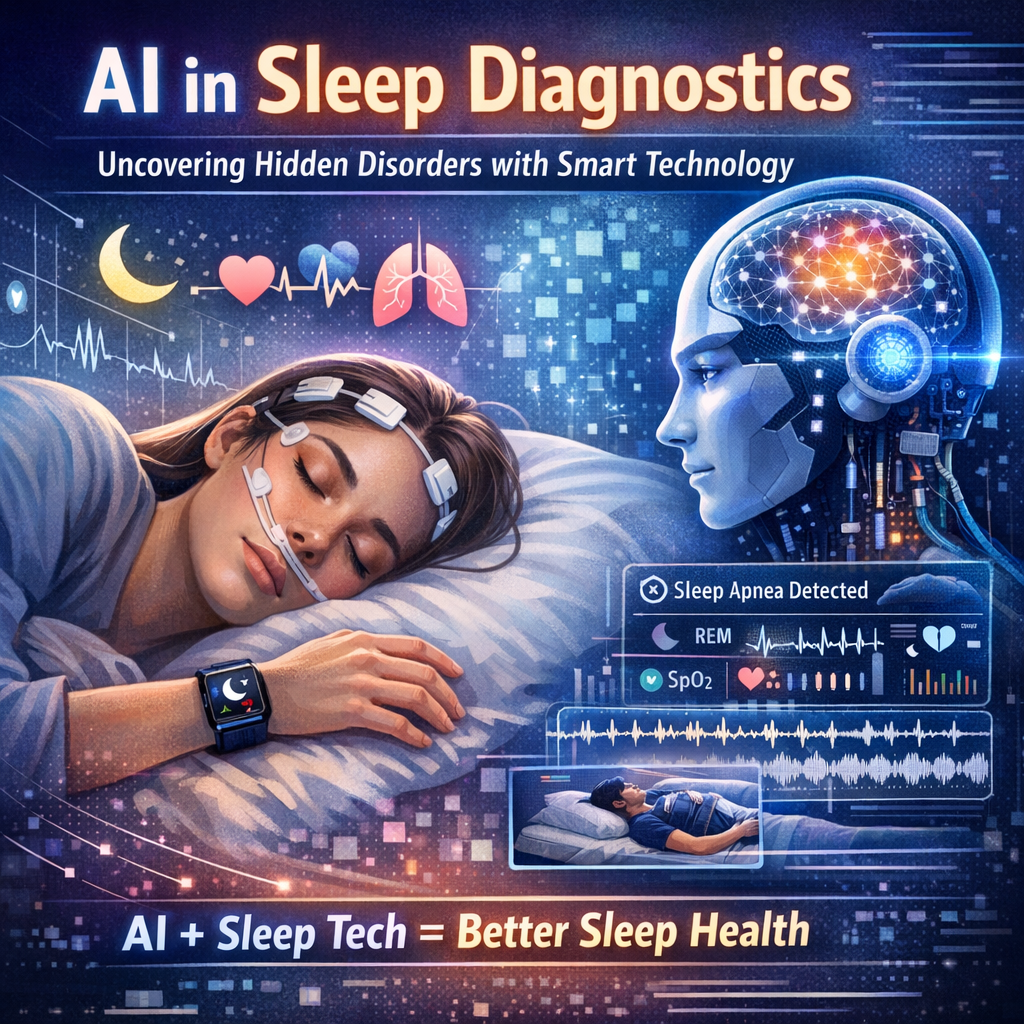
**Artificial intelligence** has radically transformed numerous sectors, from healthcare to finance, making processes more efficient and data-driven. In the realm of **sleep medicine**, AI holds the promise of revolutionizing diagnostics and treatment strategies by offering deeper, more nuanced insights into **sleep patterns** and disorders. While your wearable might inform you of your sleep duration and perhaps even the different sleep stages you experience, it may overlook critical nuances such as **sleep quality** or intricacies tied to conditions like **sleep apnea**, restless leg syndrome, or **narcolepsy**. AI, with its unparalleled capability to analyze large datasets and identify patterns, provides an opportunity to reveal these hidden aspects.
A significant shortcoming of most consumer sleep tech devices is their reliance on surface-level data derived from movement and heart rate. These gadgets compile sleep reports with a focus on quantity rather than quality, potentially missing markers of disorders that require more than just a cursory glance. AI can sift through vast amounts of data, including subtle biosignals and environmental factors that influence sleep. By integrating AI, there’s potential to move beyond one-size-fits-all metrics, tailoring insights to individual **sleep needs** and pointing out anomalies that might warrant medical attention.
Challenges and Opportunities in AI and Sleep Tech Integration
However, the journey towards fully harnessing AI in decoding sleep disorders isn’t without its challenges. Consumer tech currently cannot compete with the precision of **polysomnography**—the gold standard in sleep studies, which measures brain waves, oxygen levels, and much more in a clinical setting. But the integration of AI into consumer devices promises a middle ground. Merging AI with sleep tech could grant us the surveillance of a lab study from the comfort of our homes, potentially democratizing access to sleep diagnostics and encouraging proactive healthcare.
Professional and Medical Studies
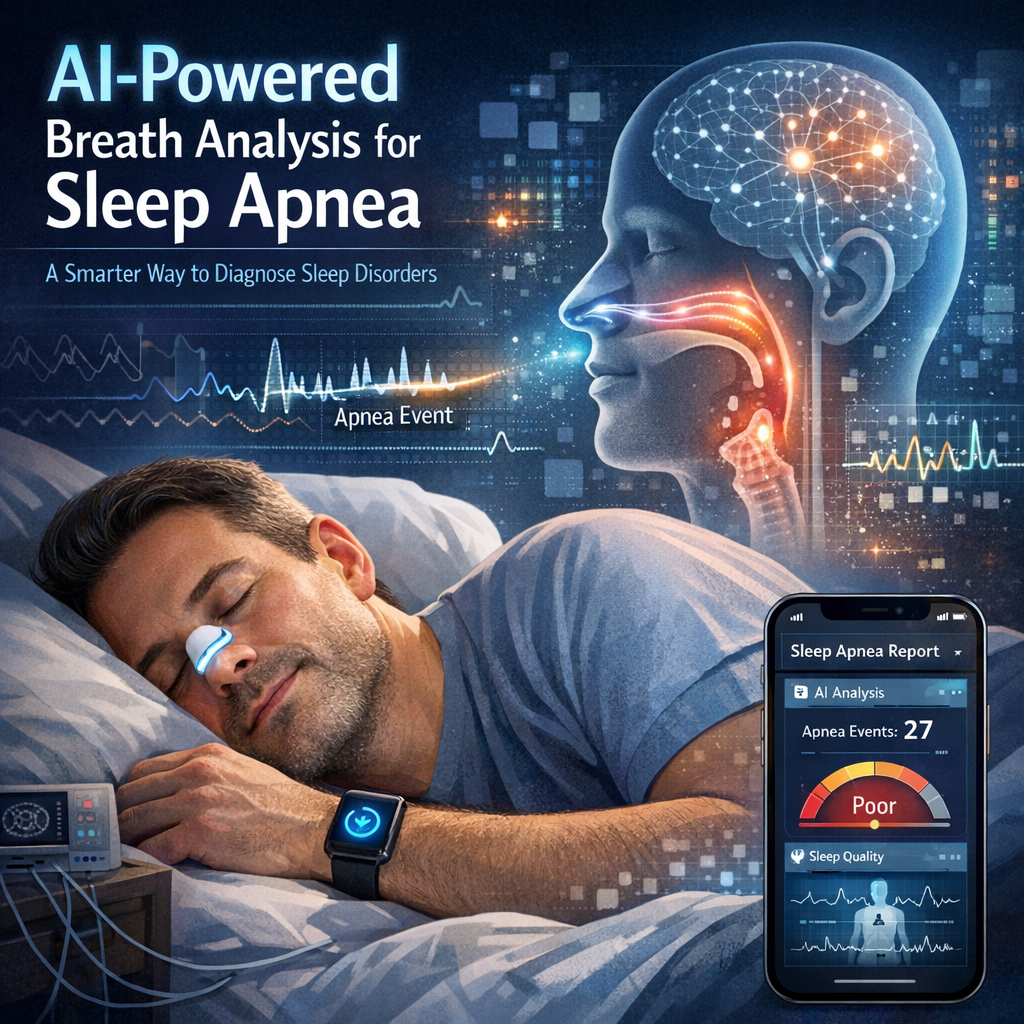
The integration of AI in sleep medicine is not just theoretical; several studies underscore its potential and viability. A pivotal study conducted by the American Academy of Sleep Medicine explored the use of AI algorithms in diagnosing **obstructive sleep apnea** (OSA). The research demonstrated that AI could accurately classify OSA severity by analyzing raw data from **home sleep apnea tests**, providing results comparable to traditional laboratory methods. The ability to deliver such insights via AI-enhanced home diagnostics could transform accessibility to sleep apnea testing, potentially reducing healthcare costs and wait times for diagnosis. [Read more about this study here](https://www.sleepassociation.org/about-sleep/sleep-disorders/obstructive-sleep-apnea/).
Another noteworthy investigation published in the journal *Nature* highlighted how deep learning algorithms could be employed to analyze polysomnography data, automating the complex process of sleep staging. This study revealed that AI produced sleep stage classifications with accuracy levels echoing human sleep experts. Through AI’s continuous learning capability, these systems can improve over time, enhancing diagnostic precision and offering personalized insights. [Discover more on Nature’s findings here](https://www.nature.com/articles/s41591-019-0508-z).
Moreover, the **University of Copenhagen** conducted a study utilizing AI to predict and detect **narcolepsy** with an impressive degree of accuracy. By training AI models with comprehensive datasets, researchers could identify patterns and symptoms unnoticed by typical screening processes. The implications of this research extend beyond narcolepsy, suggesting endless possibilities for AI in detecting a variety of sleep disorders. [Learn about the university’s research here](https://science.ku.dk/english/press/news/2020/ai-research-uncovers-key-to-narcolepsy/).
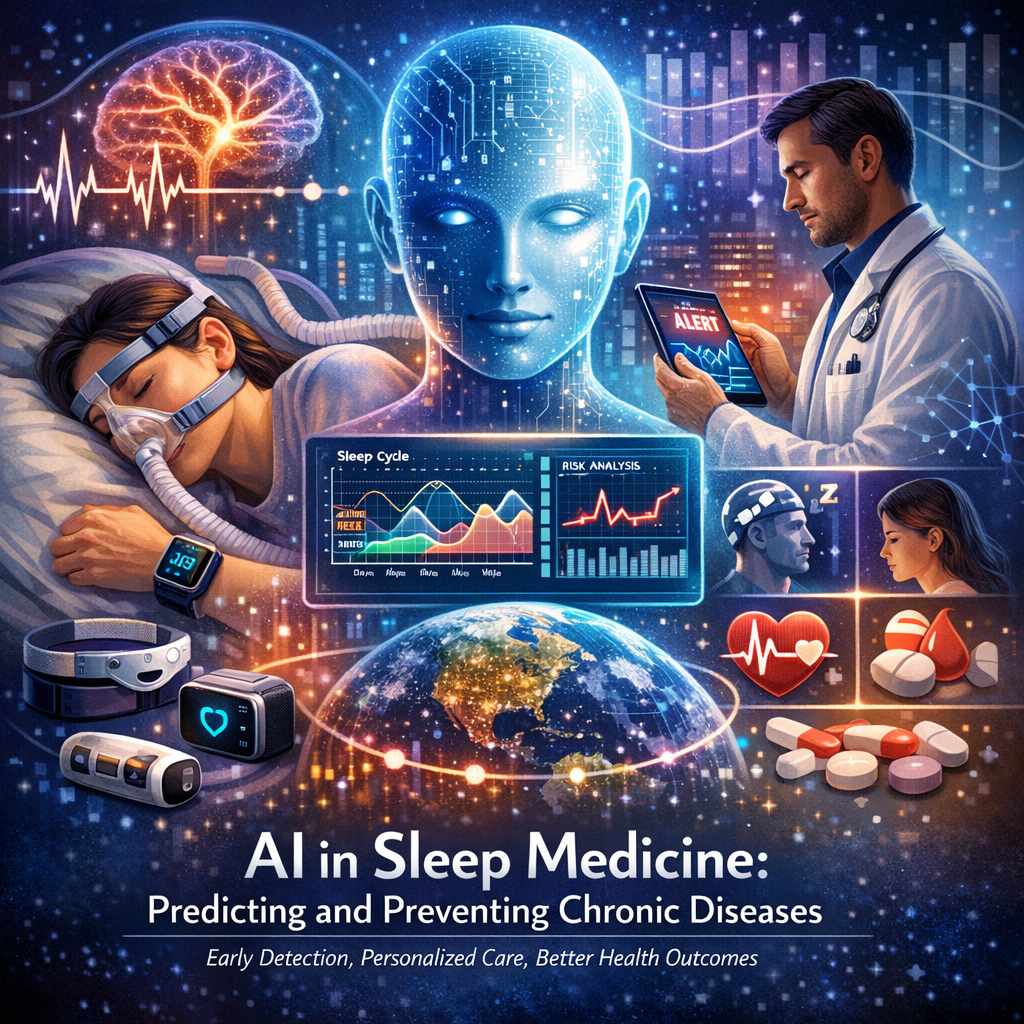
As these studies demonstrate, AI doesn’t merely serve as a complementary tool; it embodies a paradigm shift in early identification and intervention in sleep disorders. Harnessing AI’s capabilities offers not only a more profound understanding but also paves the way for personalized sleep medicine that can address individual patient needs more effectively.
Conclusion
In conclusion, while modern sleep tech devices provide valuable insights into our slumber, they may not capture the full picture needed to address specific sleep disorders. The advent of AI in sleep health offers a promising horizon where concealed disorders can be decoded, moving beyond simplistic metrics to a future of comprehensive, customized sleep care. By leveraging AI’s analytical prowess, we can work towards a more holistic understanding of sleep, fostering better health outcomes and empowering individuals with actionable insights. As AI continues to evolve, it holds the potential to revolutionize sleep medicine by democratizing diagnostic capabilities, ultimately ensuring that the technology in our homes goes beyond just tracking sleep to improving it significantly. Investing in the intersection of sleep tech and AI could be the key to unveiling the mysteries of our sleep, ensuring that no disorder goes undetected and untreated.
**Concise Summary**
Artificial intelligence (AI) has the potential to revolutionize sleep medicine by providing deeper insights into sleep disorders often missed by consumer sleep tech devices. While current devices track basic metrics like sleep duration, AI can analyze large datasets to reveal hidden aspects of conditions such as sleep apnea and narcolepsy. Despite challenges in achieving the precision of clinical tools like polysomnography, integrating AI into consumer tech promises improved home diagnostics. Studies validating AI’s efficacy in diagnosing sleep disorders highlight its role in personalized medicine, making it essential for future advancements in sleep health care.

Dominic E. is a passionate filmmaker navigating the exciting intersection of art and science. By day, he delves into the complexities of the human body as a full-time medical writer, meticulously translating intricate medical concepts into accessible and engaging narratives. By night, he explores the boundless realm of cinematic storytelling, crafting narratives that evoke emotion and challenge perspectives.
Film Student and Full-time Medical Writer for ContentVendor.com