Unlocking Neuroplasticity: How Precision Sleep Medicine is Reshaping Brain Health
In the realm of **brain health**, **neuroplasticity** stands as a beacon of hope and change. This incredible ability of the brain to reorganize itself by forming new neural connections can pave the way for improved **cognitive function**, **emotional well-being**, and overall mental health. However, an often-overlooked aspect that significantly influences neuroplasticity is **sleep**. **Precision sleep medicine**, a burgeoning field dedicated to individualized sleep care, is making waves by offering solutions tailored to enhance neuroplasticity and, consequently, brain health.
**Sleep** is integral to the human experience, acting as a fundamental pillar upon which physical and mental health are built. Yet, it is only recently that the specific nuances of how sleep influences brain plasticity have begun to be understood. During sleep, particularly in stages such as REM and deep sleep, the brain undergoes a host of restorative processes. Synaptic pruning, memory consolidation, and the elimination of neural waste products all occur during these critical stages. A disruption in sleep architecture can result in impaired neuroplasticity, manifesting as cognitive decline and emotional instability.
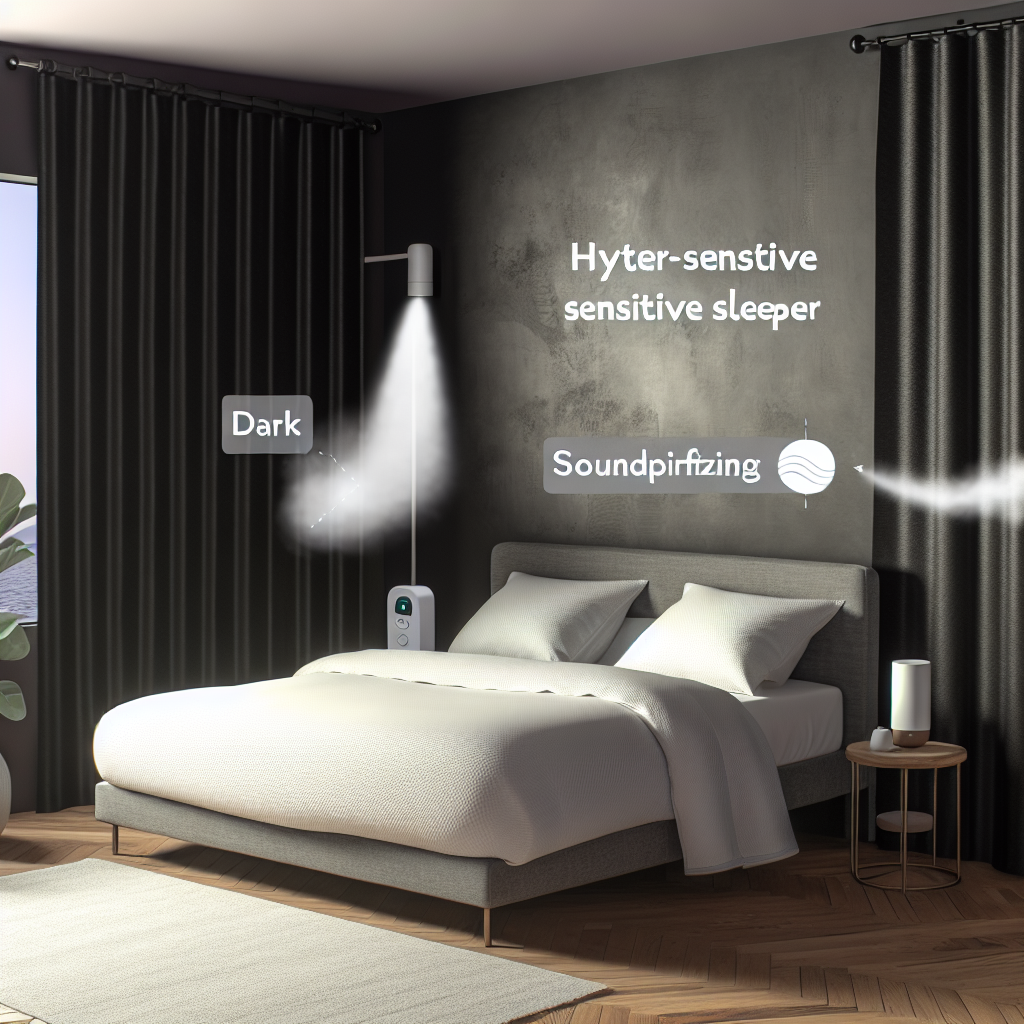
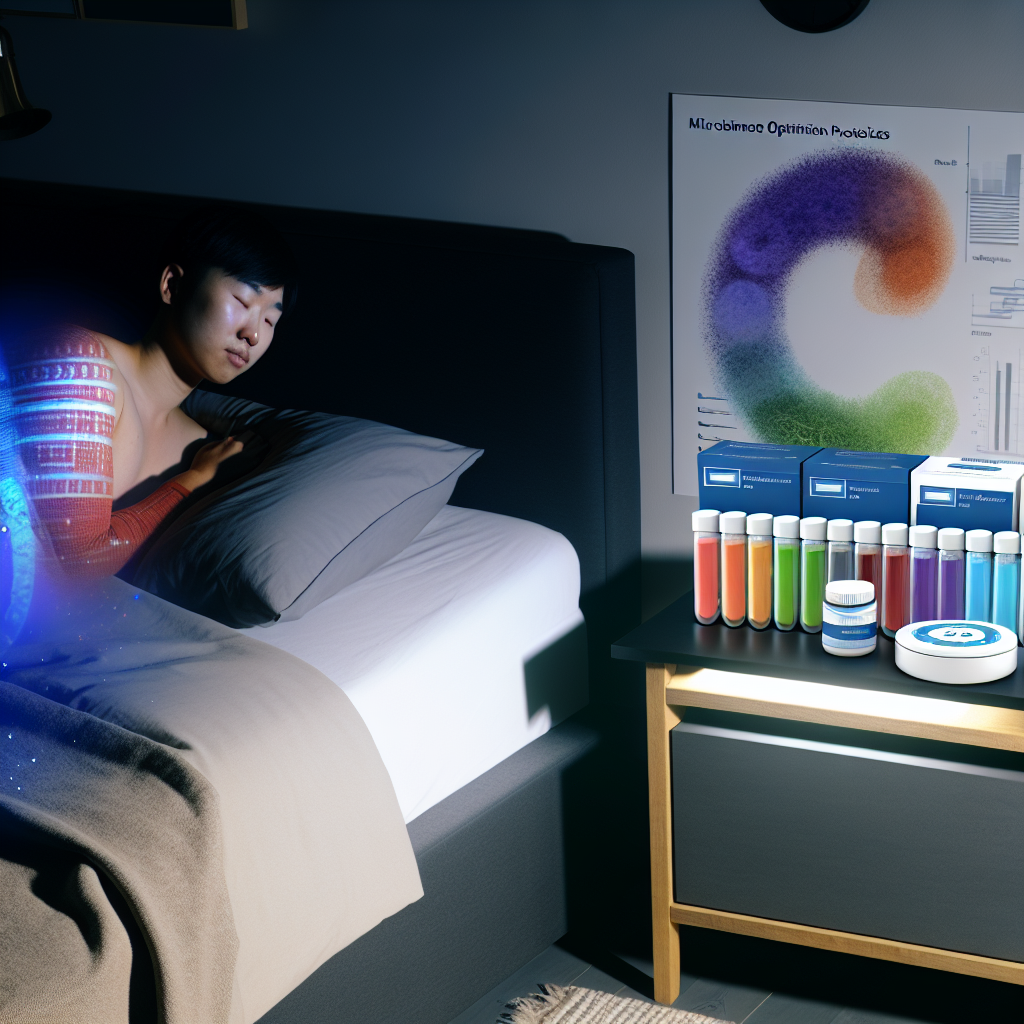
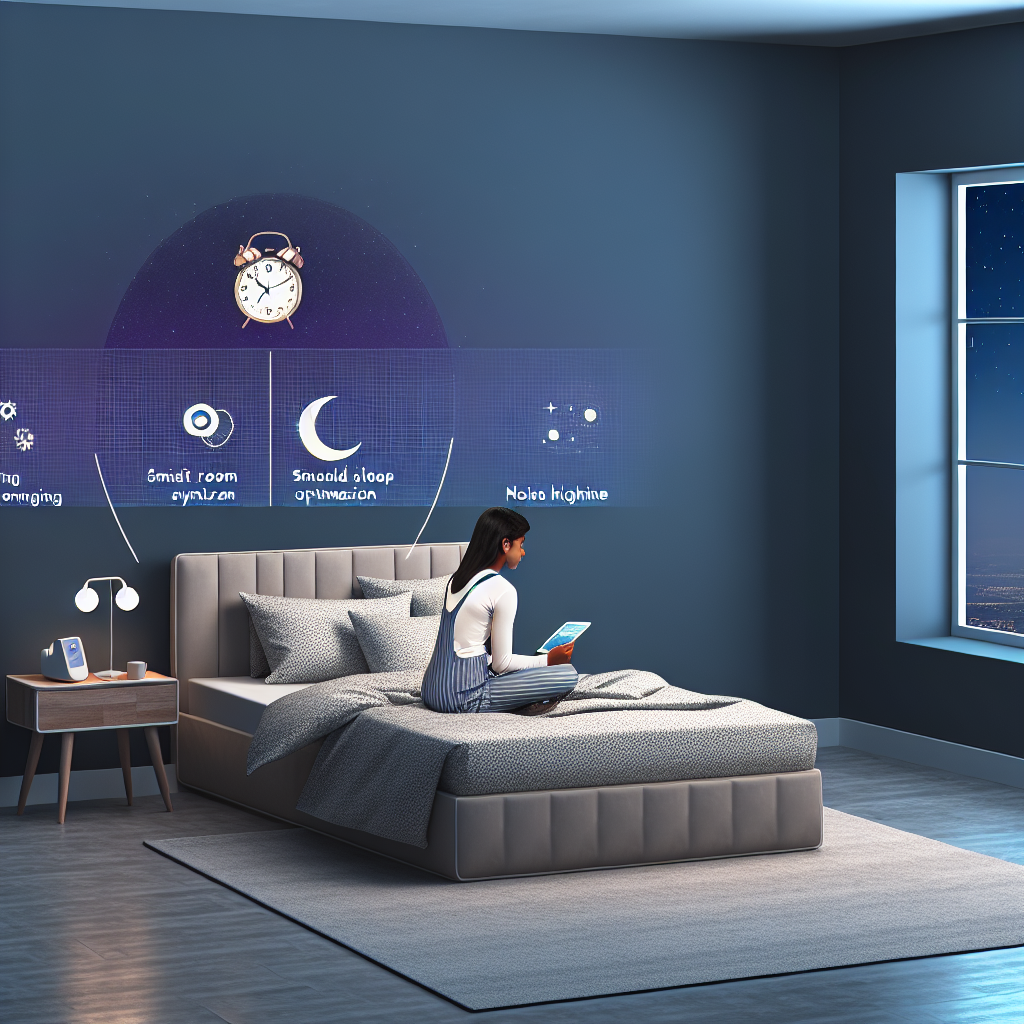
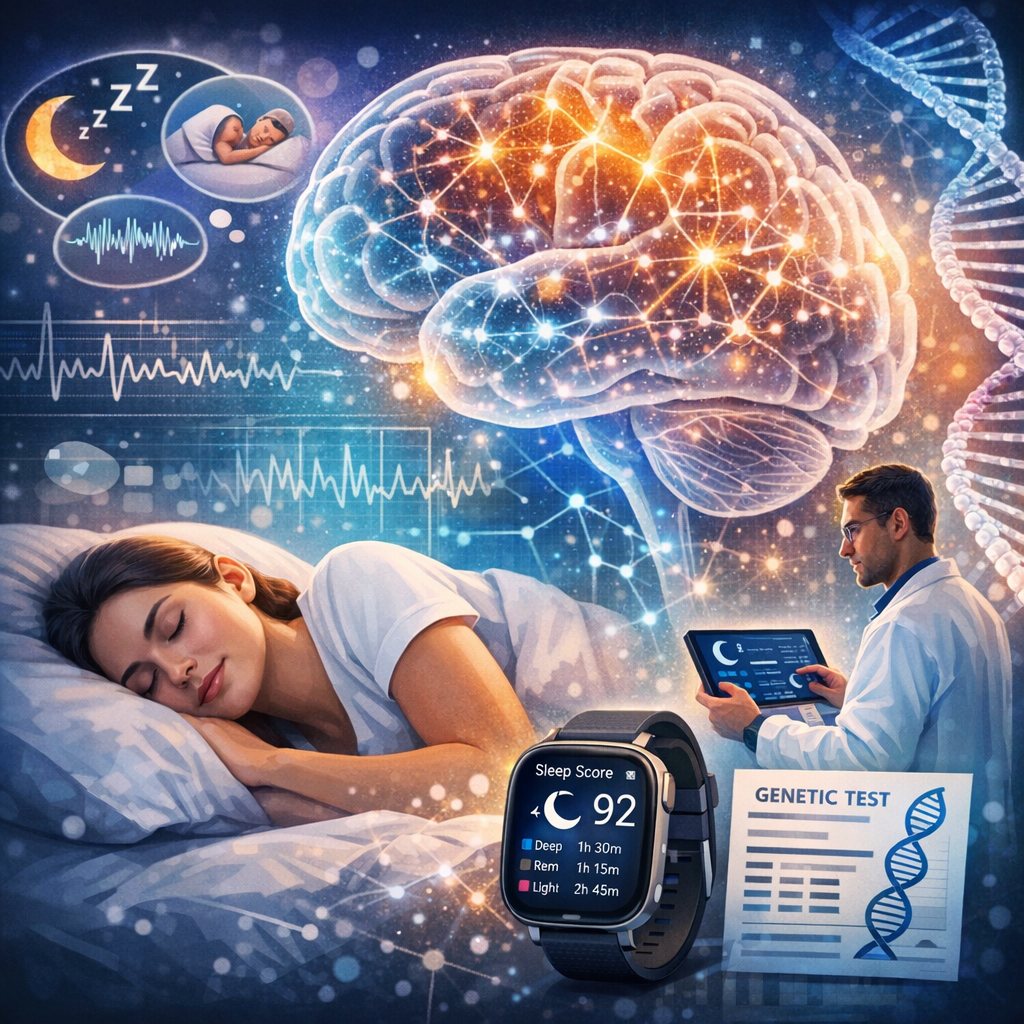
**Precision sleep medicine**, which leverages technology and personalized medicine, offers hope in optimizing sleep patterns to enhance neuroplasticity. It involves using data-driven techniques to tailor sleep interventions specific to an individual’s genetic makeup, lifestyle, and health conditions. This targeted approach differs from conventional sleep guidance, focusing instead on optimizing each person’s unique sleep need profile. From wearable devices that track sleep stages to genetic testing that reveals predispositions to sleep disorders, precision sleep medicine equips individuals with the tools needed for comprehensive sleep health.
The implications of enhanced neuroplasticity thanks to optimized sleep are profound. Children’s growing brains, for instance, can benefit from boosted cognitive development and learning capacity, while adults may experience improved memory, creativity, and emotional regulation. For the elderly, optimizing sleep could mean guarding against neurodegenerative conditions like Alzheimer’s disease. With the tailored strategies provided by precision sleep medicine, individuals across all age groups can potentially harness the full power of their brain plasticity.
Features: Insights from Professional and Medical Studies
The scientific inquiry into sleep’s role in neuroplasticity reveals fascinating insights that bolster the credibility and potential of precision sleep medicine. **Medical studies** have long recognized the importance of sleep in maintaining and promoting neural health, making it a crucial component of what we now understand as brain plasticity.
A landmark study published in [*Nature Neuroscience*](https://www.nature.com/articles/s41593-020-0607-8) highlighted how sleep influences synaptic homeostasis, demonstrating that sleep not only strengthens useful neural connections but also prunes away unnecessary ones. This process of synaptic pruning is vital for maintaining efficient cognitive functioning and emotional stability. In the realm of precision sleep medicine, understanding these mechanisms enables tailored interventions that can promote optimal synaptic plasticity.
Additionally, research by the [National Institutes of Health (NIH)](https://www.nih.gov/news-events/nih-research-matters/how-sleep-promotes-neural-change) has underscored the importance of sleep in memory and learning. The study found that shifts in sleep cycles can drastically influence the brain’s ability to retain new information. Precision sleep medicine, by analyzing an individual’s sleep architecture, can provide personalized guidance to facilitate better learning and memory retention through optimized sleep patterns.
One of the most compelling pieces of evidence comes from a study on genetic markers related to sleep disorders and their effect on brain health. Published in the [*Journal of Neuroscience*](https://www.jneurosci.org/content/early/2023/02/12/JNEUROSCI.0813-22.2023), this study showed that people with certain genetic markers are more susceptible to disrupted sleep patterns that negatively influence neuroplasticity. Precision sleep medicine, through genetic testing, can identify these markers and allow for preemptive strategies to mitigate their impact.
Technological advancements have also facilitated the growth of precision sleep medicine. Tools like polysomnography and wearable sleep tech provide comprehensive insights into sleep patterns. For instance, polysomnography, considered the golden standard for diagnosing sleep disorders, provides insights that can guide personalized treatment plans aimed at enhancing neuroplastic outcomes.
These studies illuminate the critical intersection between sleep, precision medicine, and neuroplastic health. By focusing on individualized sleep interventions, precision sleep medicine holds the promise of improving neuroplasticity, thereby fostering better brain health across all demographics.
Conclusion
The transformative potential of precision sleep medicine in unlocking neuroplasticity is undeniable. As research continues to unveil the complexities of sleep and its vital role in brain health, personalized approaches in sleep medicine are poised to revolutionize the way we understand and enhance neuroplasticity. Harnessing the power of tailored sleep interventions offers promising opportunities to improve cognitive function, emotional well-being, and reduce the risk of neurodegenerative diseases.
As more individuals embrace the tailored solutions of precision sleep medicine, the broader healthcare landscape will experience a shift towards more personalized and effective treatment plans. The benefits extend beyond individual health, fostering enhanced societal well-being by promoting a more rested, alert, and cognitively resilient population. The resonance of optimized sleep medicine with the natural capacity for neuroplasticity offers a hopeful horizon for enhanced brain health and improved quality of life.
**Concise Summary**
Precision sleep medicine is revolutionizing the field of brain health by optimizing sleep to enhance neuroplasticity. By delivering individualized care through technologies like wearable devices and genetic testing, it allows for tailored interventions that enhance cognitive function, emotional well-being, and guard against neurodegenerative diseases. Critical research underscores sleep’s role in synaptic pruning and memory consolidation, serving as the basis for precision sleep medicine’s strategies. These advances promise to improve societal health by boosting mental resilience and cognitive capabilities through enhanced sleep quality.

Dominic E. is a passionate filmmaker navigating the exciting intersection of art and science. By day, he delves into the complexities of the human body as a full-time medical writer, meticulously translating intricate medical concepts into accessible and engaging narratives. By night, he explores the boundless realm of cinematic storytelling, crafting narratives that evoke emotion and challenge perspectives.
Film Student and Full-time Medical Writer for ContentVendor.com