How Sleep Apnea Stealthily Alters Your Brain Chemistry: The Insidious Connection Between Breathing Disorders and Mental Health
Introduction
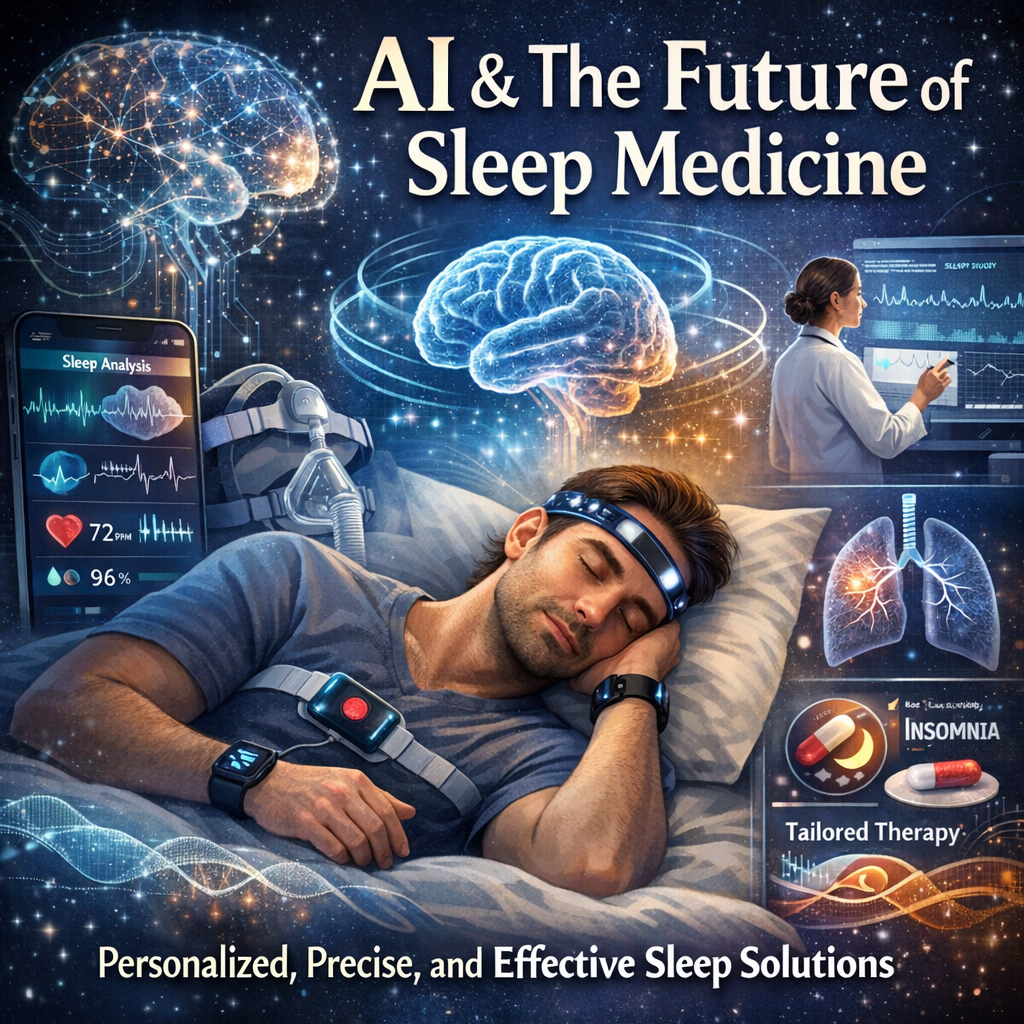
**Sleep apnea**, a common and potentially serious sleep disorder, affects millions of people worldwide. Characterized by repeated pauses in breathing during sleep, this condition often goes unnoticed, yet it wreaks havoc on health. While many understand the physical consequences, fewer are aware of its profound impact on **brain chemistry** and **mental health**. *Obstructive sleep apnea (OSA)* leads to chronic sleep deprivation and **intermittent hypoxia**, causing alterations in brain function and structure. Researchers link sleep apnea to mental health disorders like **depression**, **anxiety**, **bipolar disorder**, and **schizophrenia**. Recognizing and addressing sleep apnea is crucial for safeguarding mental health.
Features
A growing body of research underscores the link between sleep apnea and altered brain chemistry. A pivotal study published in the American Journal of Respiratory and Critical Care Medicine found significant changes in neurotransmitter levels such as serotonin and dopamine, leading to mood disorders and **cognitive deficits**. Another study at UCLA demonstrated structural brain changes in patients with sleep apnea, showing reduced gray matter volume in areas critical for attention and memory. A meta-analysis from the Journal of Clinical Sleep Medicine confirmed that individuals with untreated sleep apnea have double the risk of developing **depression**. Healthcare professionals emphasize **continuous positive airway pressure (CPAP) therapy** as a vital treatment for reversing brain abnormalities.
Conclusion
Sleep apnea is more than a mere sleep disorder; it impacts brain health and overall wellness significantly. The oxygen deprivation during sleep leads to serious alterations in **brain chemistry**, affecting mood and cognition. **CPAP therapy** provides a promising avenue for reversing these effects. Adopting healthy sleep habits, regular health check-ups, and prioritizing treatments like CPAP therapy can safeguard brain health and support mental well-being. A holistic approach is key to mitigating the cognitive and psychological consequences of sleep apnea. By recognizing the connection between sleep apnea and mental health, we can better support individuals towards a healthier life.
References
– [American Journal of Respiratory and Critical Care Medicine](https://www.atsjournals.org/journal/ajrccm)
– [Journal of Clinical Sleep Medicine](https://jcsm.aasm.org/)
– [Chest Journal](https://journal.chestnet.org/)
Concise Summary
Sleep apnea is a serious sleep disorder that impacts brain chemistry and mental health by causing chronic sleep deprivation and oxygen deprivation during sleep. This leads to changes in neurotransmitter levels and structural brain changes, increasing the risk of mental health disorders such as depression, anxiety, and bipolar disorder. Effective treatment, namely CPAP therapy, can reverse these effects and promote better mental well-being. Recognizing and managing sleep apnea is essential not just for improving sleep but also for maintaining cognitive and psychological health.

Dominic E. is a passionate filmmaker navigating the exciting intersection of art and science. By day, he delves into the complexities of the human body as a full-time medical writer, meticulously translating intricate medical concepts into accessible and engaging narratives. By night, he explores the boundless realm of cinematic storytelling, crafting narratives that evoke emotion and challenge perspectives.
Film Student and Full-time Medical Writer for ContentVendor.com