Why Your CPAP Machine May Be the Secret Weapon Against Brain Fog and Memory Loss
Introduction
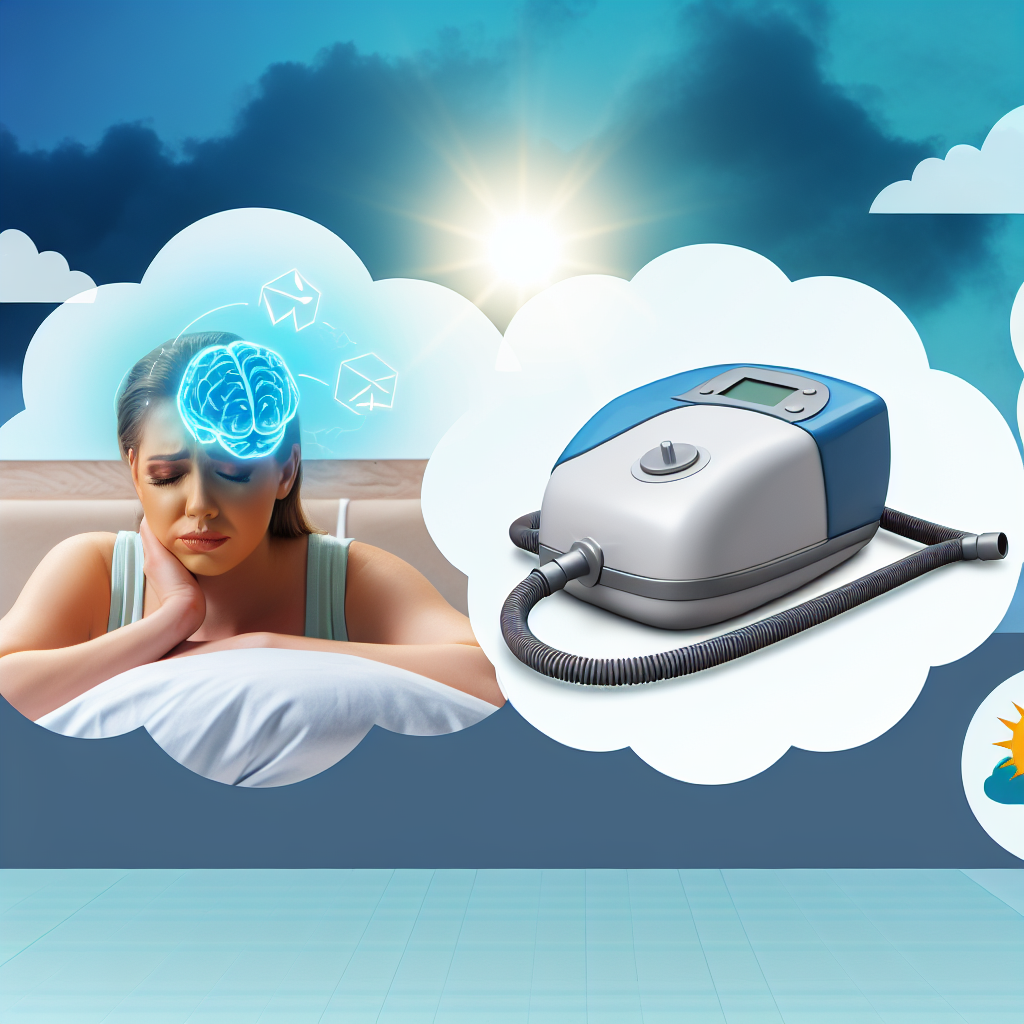
**Sleep apnea** is a common yet underdiagnosed condition that severely impacts sleep quality, leading to cognitive issues like **brain fog** and **memory loss**. **Continuous Positive Airway Pressure (CPAP) machines** are primarily used to treat sleep apnea by maintaining a steady **airflow** through a mask, ensuring better sleep and cognitive health. By addressing sleep disruptions and low brain oxygen levels, CPAP therapy offers significant potential in alleviating cognitive impairments.
Features
Numerous **studies** indicate that CPAP machines can significantly improve cognitive functions in individuals with sleep apnea. For instance, the *Journal of Clinical Sleep Medicine* reported improvements in **memory recall** and **task management** after consistent CPAP use. Another study from the *American Journal of Respiratory and Critical Care Medicine* highlighted enhanced **attention span** and **vigilance**. Furthermore, research in the *Sleep* journal associated CPAP therapy with reduced gray matter loss in brain regions critical for memory, particularly benefiting the **aging population**. These findings highlight the dual role of CPAP therapy—not only in enhancing sleep but also in preserving cognitive health.
Conclusion
The CPAP machine extends beyond its primary function of treating sleep apnea to playing a vital role in improving cognitive health. By ensuring consistent airflow during sleep, it aids in crucial processes like **memory consolidation** and **mental clarity**. Individuals experiencing unexplained cognitive difficulties should consider discussing CPAP therapy with their healthcare provider. As research emphasizes the profound link between sleep and cognition, it’s evident that CPAP machines may indeed be a secret weapon against **cognitive decline**.
References
1. Journal of Clinical Sleep Medicine
2. American Journal of Respiratory and Critical Care Medicine
3. Sleep Journal
Concise Summary
**CPAP machines**, used primarily for treating **sleep apnea**, improve sleep quality and, subsequently, cognitive health by ensuring consistent airflow and oxygen supply to the brain. Studies highlight their effectiveness in enhancing **memory recall**, **task management**, and reducing gray matter loss associated with aging. These findings underscore the significance of CPAP therapy in reducing **brain fog** and potential **memory decline**, offering a compelling reason for individuals struggling with sleep and cognitive issues to consider its use.

Dominic E. is a passionate filmmaker navigating the exciting intersection of art and science. By day, he delves into the complexities of the human body as a full-time medical writer, meticulously translating intricate medical concepts into accessible and engaging narratives. By night, he explores the boundless realm of cinematic storytelling, crafting narratives that evoke emotion and challenge perspectives.
Film Student and Full-time Medical Writer for ContentVendor.com