Unlocking the Oxygen Code: How Airway Health Can Revolutionize Chronic Disease Management
Introduction
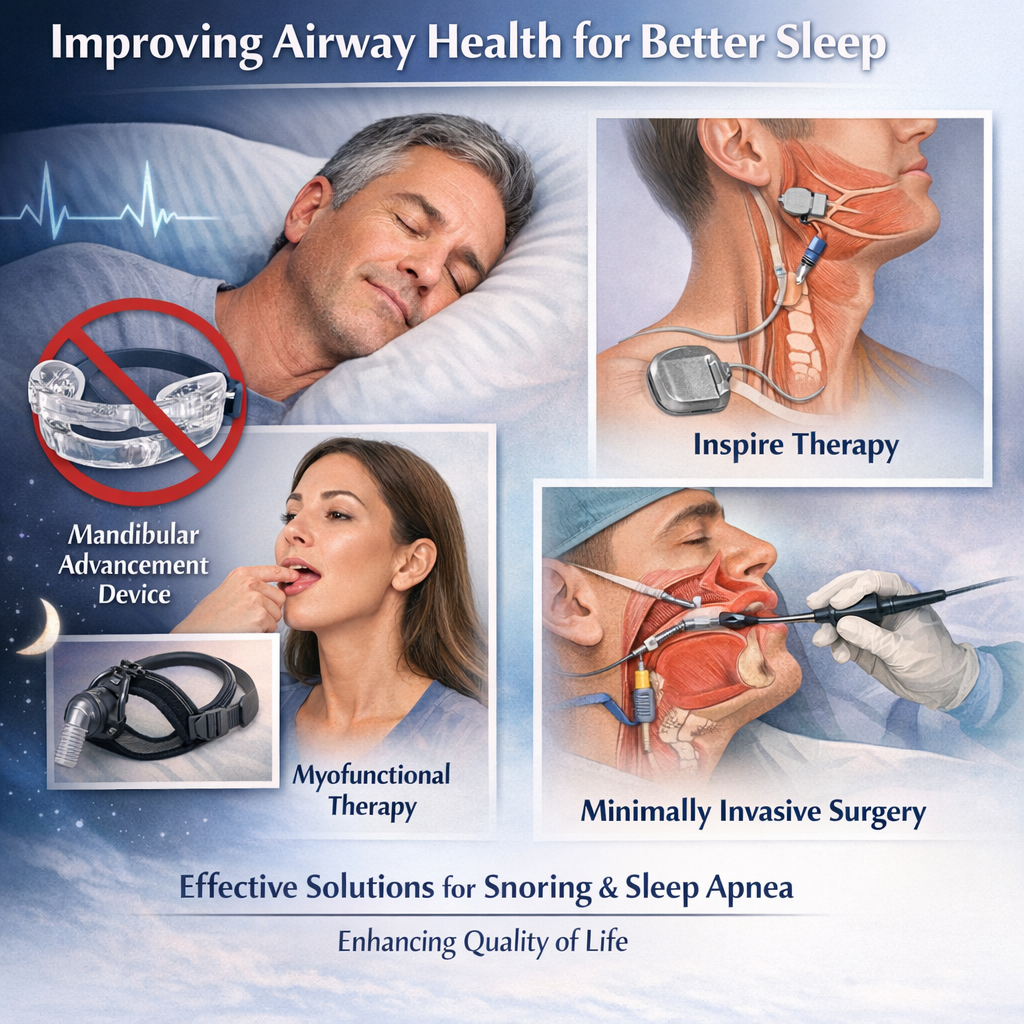
The realization that every breath is an essential piece of the health puzzle is not new, but only recently have we begun to fully comprehend its profound implications. **Airway health**, specifically, has emerged as a crucial factor in managing a range of **chronic diseases**. Our bodies rely on oxygen to fuel every process, and the pathway it takes—our airway—plays a vital role in ensuring a steady, efficient supply. But what happens when this pathway is compromised? Recent studies show that poor airway health can exacerbate chronic conditions such as **cardiovascular disease**, **diabetes**, and even **mental health** issues.
Airway health encompasses everything from the condition of nasal passages to the functionality of the entire respiratory system. It ensures optimal oxygen delivery, which is essential for cellular respiration and energy production. When airway efficiency is compromised by conditions like **sleep apnea**, **chronic obstructive pulmonary disease (COPD)**, or **asthma**, the body’s systems begin to suffer due to inadequate oxygenation.
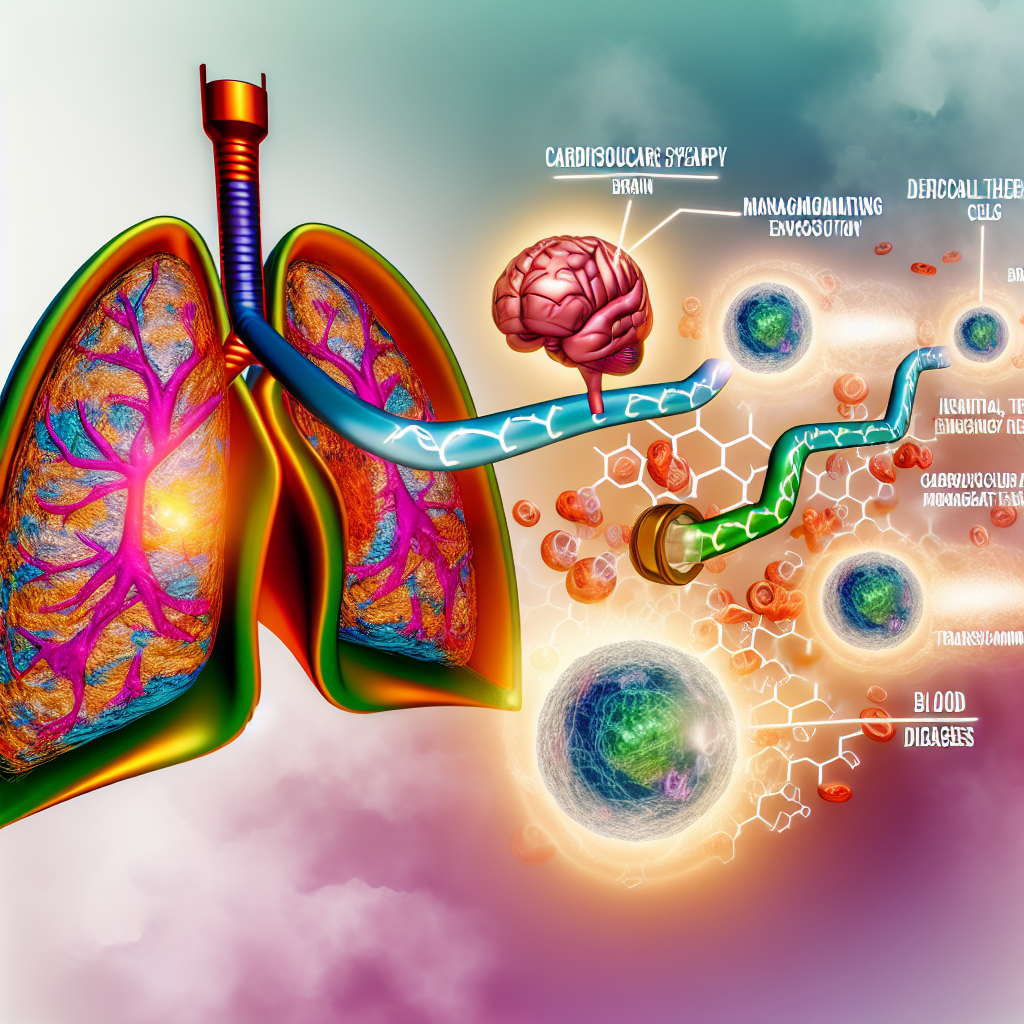
The implications of compromised airway health go beyond respiratory issues. **Cardiovascular health** can be significantly impacted; for instance, sleep apnea increases the risk of **hypertension** and **stroke**. The chronic oxygen deprivation associated with these conditions prompts the body to retain higher carbon dioxide levels, leading to oxidative stress that affects endothelial function and promotes vascular inflammation. Additionally, there’s growing evidence linking poor airway health to metabolic disorders like diabetes. Sleep disruption and oxygen desaturation can lead to insulin resistance, aggravating the pathways that lead to type 2 diabetes.
Moreover, the brain’s requirement for oxygen means that cognitive functions and **mental health** are deeply intertwined with airway health. Conditions such as sleep apnea are often connected with an increased risk of depression and anxiety due to the lack of restorative sleep. Ultimately, the effects of airway health propagate through nearly every chronic disease management pathway and can either hinder or facilitate recovery and health optimization.
Features
A number of professional and medical studies underscore the significance of airway health in treating and managing chronic diseases. One major area of focus is **obstructive sleep apnea (OSA)**, a condition characterized by repeated episodes of airway collapse during sleep, leading to disrupted sleep and intermittent hypoxia. The Sleep Heart Health Study, a large-scale, multi-center cohort study, has shown that OSA is linked with increased blood pressure, a risk factor for heart disease ([NIH](https://pubmed.ncbi.nlm.nih.gov/11844848/)).
Additionally, research published in the “[American Journal of Respiratory and Critical Care Medicine](https://www.atsjournals.org/doi/full/10.1164/ajrccm/161.2.348)” has demonstrated that **continuous positive airway pressure (CPAP) therapy**, a treatment for sleep apnea, can reduce high blood pressure levels and improve overall cardiovascular outcomes.
Further studies have strengthened the link between airway health and metabolic disorders. A 2014 report in the “[Journal of Clinical Sleep Medicine](https://pubmed.ncbi.nlm.nih.gov/24634627/)” found that improving airway health in patients with OSA through CPAP therapy significantly decreased insulin resistance and improved glycemic control in patients with type 2 diabetes.
The **mental health** implications of airway health are also being rigorously investigated. A study published in the “[Journal of Clinical Psychiatry](https://www.cambridge.org/core/journals/the-british-journal-of-psychiatry/article/abs/sleep-apnea-and-depression/5587EE8535C809E7964B94D2FF09C456)” points to a significant correlation between sleep apnea treatment and decreased symptoms of depression and anxiety, highlighting the critical role of restful sleep in mental health management.
These studies collectively advocate for a comprehensive approach to chronic disease management that places a strong emphasis on evaluating and improving airway health. Healthcare providers are increasingly considering airway assessment as part of routine evaluations for patients with chronic conditions, allowing for personalized treatment strategies that address both airway health and the primary disease.
Conclusion
**Airway health** is a remarkable and often underappreciated element in the field of **chronic disease management**. The intricate relationship between efficient **oxygen delivery** and the body’s various systems highlights its critical role in health and disease. As research continues to unravel the far-reaching impacts of airway health, both patients and healthcare providers are beginning to acknowledge its profound potential in revolutionizing chronic disease management. By incorporating airway health into routine assessments and treatment plans, we can adopt a more holistic, effective approach to overcoming the challenges posed by chronic diseases. Engaging in proactive steps, such as screenings for sleep apnea and focused treatments for maintaining open airways, individuals can unlock a significant part of their health potential—offering new opportunities for more fulfilling, healthier lives.
**Summary:** Airway health plays a crucial role in managing chronic diseases, influencing conditions like cardiovascular disease, diabetes, and mental health disorders. When airway efficiency is compromised, it can lead to inadequate oxygenation and increased risks of hypertension, stroke, insulin resistance, depression, and anxiety. Studies emphasize the importance of assessing and improving airway health for better chronic disease management. Incorporating airway evaluations into routine health assessments can enhance treatment strategies, promoting health optimization and a holistic approach to chronic disease management.

Dominic E. is a passionate filmmaker navigating the exciting intersection of art and science. By day, he delves into the complexities of the human body as a full-time medical writer, meticulously translating intricate medical concepts into accessible and engaging narratives. By night, he explores the boundless realm of cinematic storytelling, crafting narratives that evoke emotion and challenge perspectives.
Film Student and Full-time Medical Writer for ContentVendor.com