Decoding Oxygen: The Key to Unlocking Longevity and Preventing Chronic Diseases Through Sleep Medicine
Introduction
**Sleep** is a vital component of overall health, described as one of the three pillars of wellness alongside **diet** and **exercise**. Despite its importance, millions worldwide suffer from **sleep disorders** that can undermine health and **longevity**. One critical aspect of sleep garnering attention is the role of **oxygen**. Oxygen is crucial in maintaining cellular health. However, its exchange efficiency is dramatically influenced by sleep, especially during deep stages where restorative processes peak.
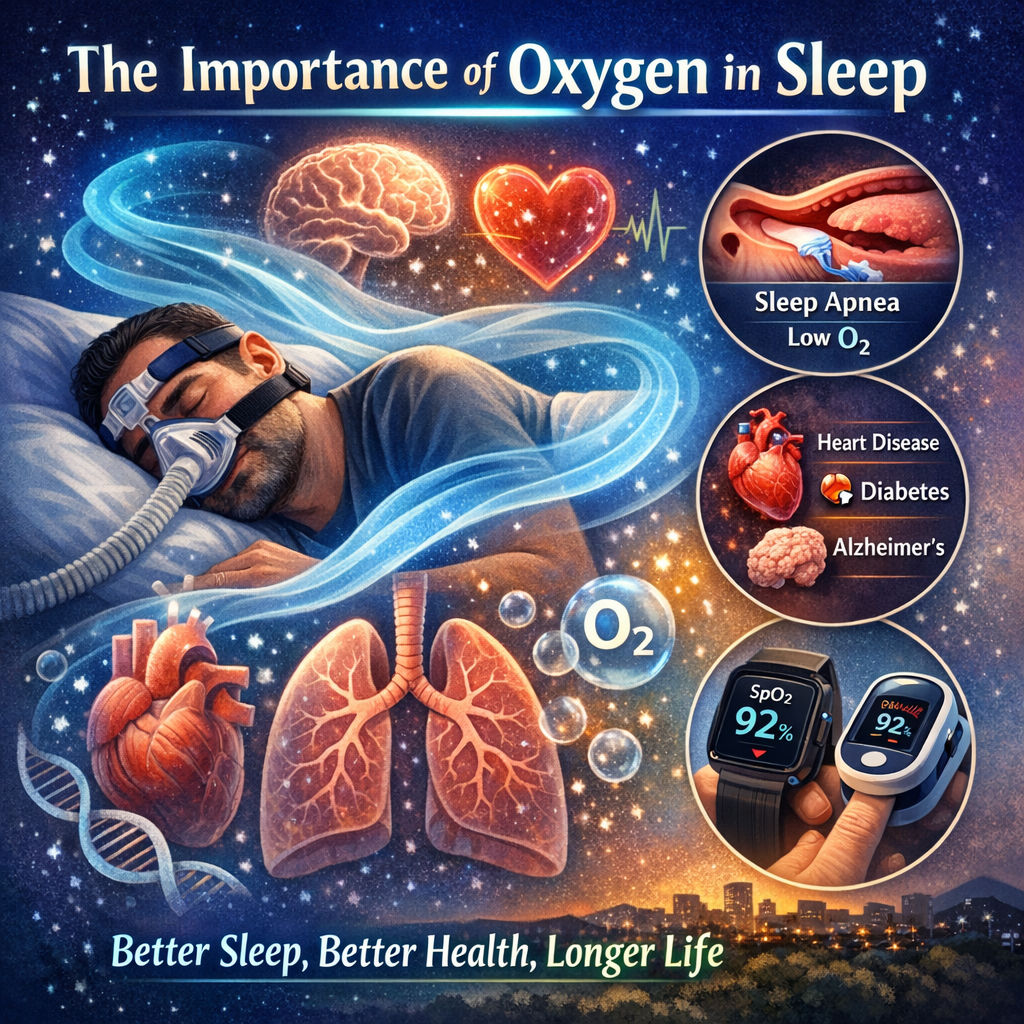
Understanding the relationship between **oxygen levels** during sleep and long-term health outcomes offers promising potential for improving longevity and preventing **chronic diseases**. During sleep, we go through various stages, each associated with different physiological processes. Deep sleep stages are essential for **cell repair** and **regeneration**, highly reliant on adequate oxygen supply. Poor sleep quality or disorders like **sleep apnea** can reduce **oxygen saturation** in the blood, harming multiple organ systems over time.
The dance of oxygen utilization and sleep quality affects **cardiovascular health**, **cognitive function**, and **metabolic processes**. Chronic low **oxygen levels** during sleep can contribute to **hypertension**, **heart disease**, and **diabetes**, underscoring the necessity of addressing sleep disorders promptly. Moreover, oxygen levels are linked to the body’s ability to manage stress, which when misregulated, can lead to **premature aging**.
Given the oxygen-sleep link, innovations in **sleep medicine** focus on ensuring proper oxygenation. Techniques like **Continuous Positive Airway Pressure (CPAP)** therapy and positional therapy help maintain regular oxygen levels, reducing chronic disease risk. By decoding oxygen’s role in sleep, we can optimize sleep and enhance overall health and longevity.
Features
Recent research highlights the critical interplay between **oxygenation** during sleep and overall health outcomes. A study published in the [*Journal of Clinical Sleep Medicine*](https://jcsm.aasm.org/doi/full/10.5664/jcsm.3582) revealed that individuals with **Obstructive Sleep Apnea (OSA)** who experience repeated episodes of hypoxia are at increased risk for cardiovascular diseases. Effective management of OSA through therapies like CPAP significantly reduces the incidence of hypertension and heart disease by maintaining adequate oxygen levels during sleep.
Another study in the [*American Journal of Respiratory and Critical Care Medicine*](https://www.ncbi.nlm.nih.gov/pmc/articles/PMC4399405/) broadened the understanding of **sleep-related hypoxemia**. It established connections between intermittent hypoxia and metabolic dysfunctions such as **insulin resistance** and **type 2 diabetes**. These findings illustrate that sleep disturbances, when left unchecked, can exacerbate metabolic issues.
Moreover, new insights from neuroscience emphasize the role of oxygen in **cognitive maintenance**. Research in the [*Alzheimer’s & Dementia* Journal](https://www.alzheimersanddementia.com/linking-oxygenation-and-sleep) shows that maintaining optimal oxygen levels during sleep decreases the risk of neurodegenerative diseases like **Alzheimer’s**. Ensuring uninterrupted oxygen supply preserves critical processes like memory consolidation and synaptic plasticity, safeguarding cognitive health into older age.
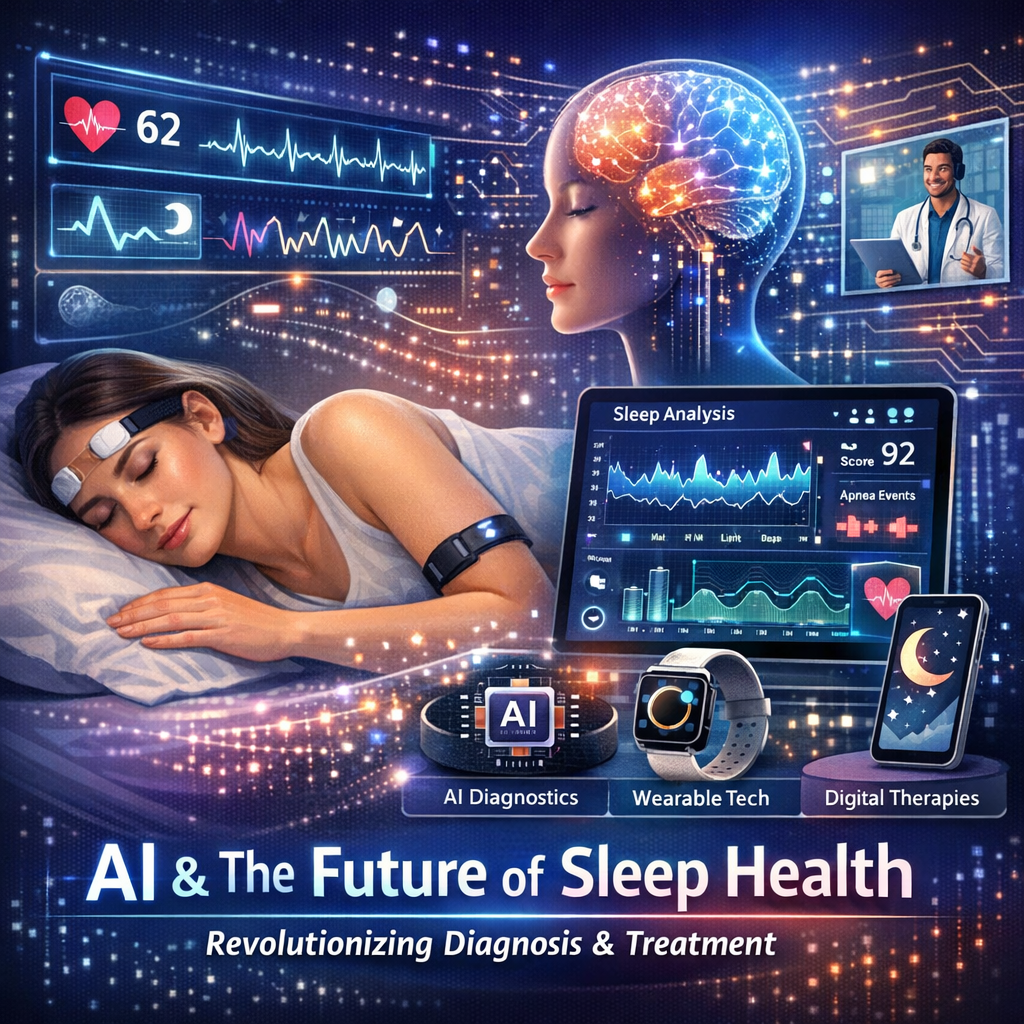
Technological advancements in sleep medicine focus on personalized approaches to managing **oxygen levels**. Wearable technology and home monitoring devices allow individuals to track their sleep quality and oxygen saturation levels in real time. Such innovations empower individuals to manage their sleep health proactively, making it easier to detect and address potential issues before they manifest as chronic illnesses.
Conclusion
The intricate connection between **oxygen levels** during sleep and overall health represents a promising frontier in sleep medicine. As research continues to unveil how sleep impacts longevity and chronic disease prevention, optimizing oxygenation during sleep becomes fundamental. Addressing sleep-related issues through modern therapeutic techniques and personal monitoring can significantly improve oxygen levels, subsequently enhancing health outcomes.
Prioritizing **sleep health** fosters longevity and prevents many chronic conditions. By ensuring a good night’s rest and adequate oxygen intake, individuals can significantly improve their quality of life. Ongoing advancements in sleep science offer hope for a future where sleep can optimize human health and longevity.
Concise Summary
Understanding oxygen’s role during sleep is crucial for longevity and chronic disease prevention. Oxygen affects cell repair, cardiovascular health, metabolic processes, and cognitive function. Disorders like sleep apnea lower oxygen levels, leading to various health issues. CPAP and positional therapy are effective treatments. Monitoring devices empower users to manage sleep health actively. By prioritizing sleep, individuals can significantly enhance their quality of life and longevity. Research continues to explore sleep’s impacts, offering promising prospects for future health optimizations.

Dominic E. is a passionate filmmaker navigating the exciting intersection of art and science. By day, he delves into the complexities of the human body as a full-time medical writer, meticulously translating intricate medical concepts into accessible and engaging narratives. By night, he explores the boundless realm of cinematic storytelling, crafting narratives that evoke emotion and challenge perspectives.
Film Student and Full-time Medical Writer for ContentVendor.com