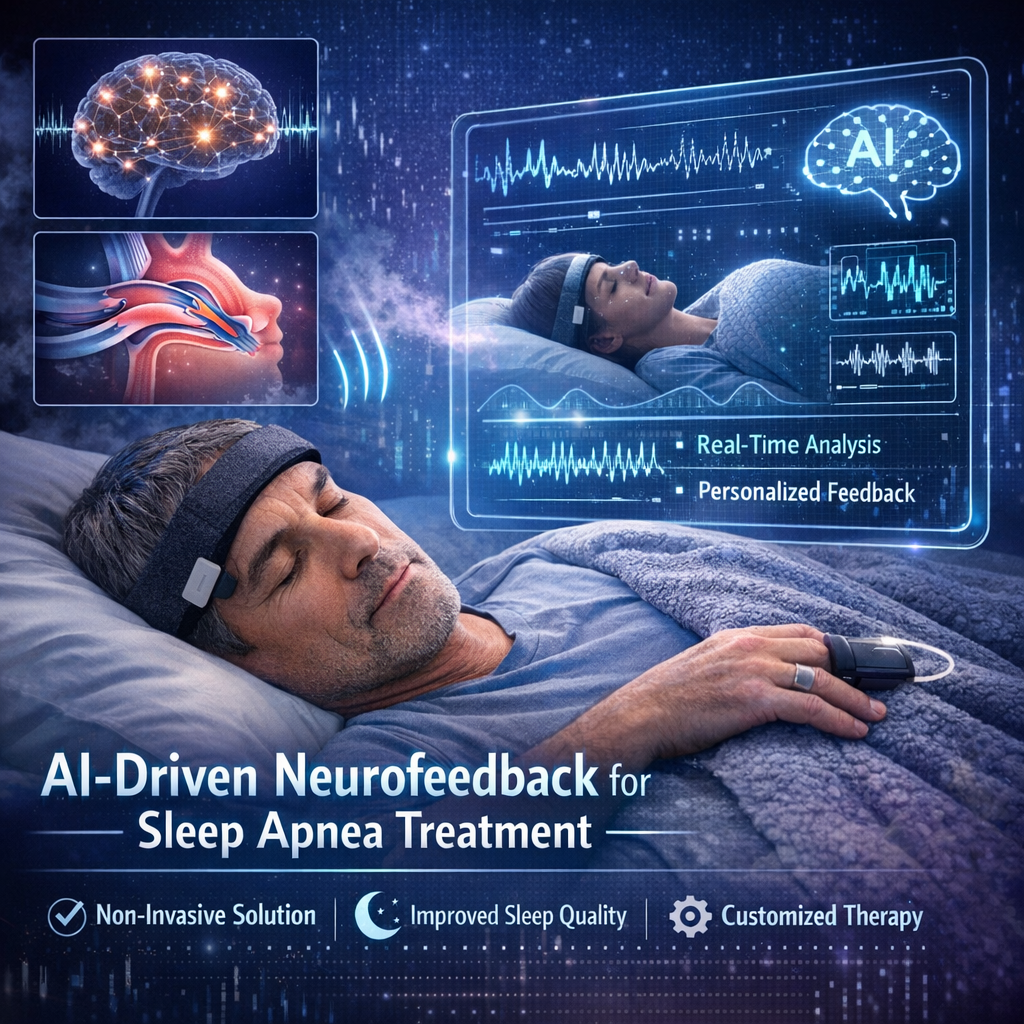
Revolutionizing Sleep Health: How AI-Driven Neurofeedback is Unlocking Personalized Treatment for Sleep Apnea
Introduction
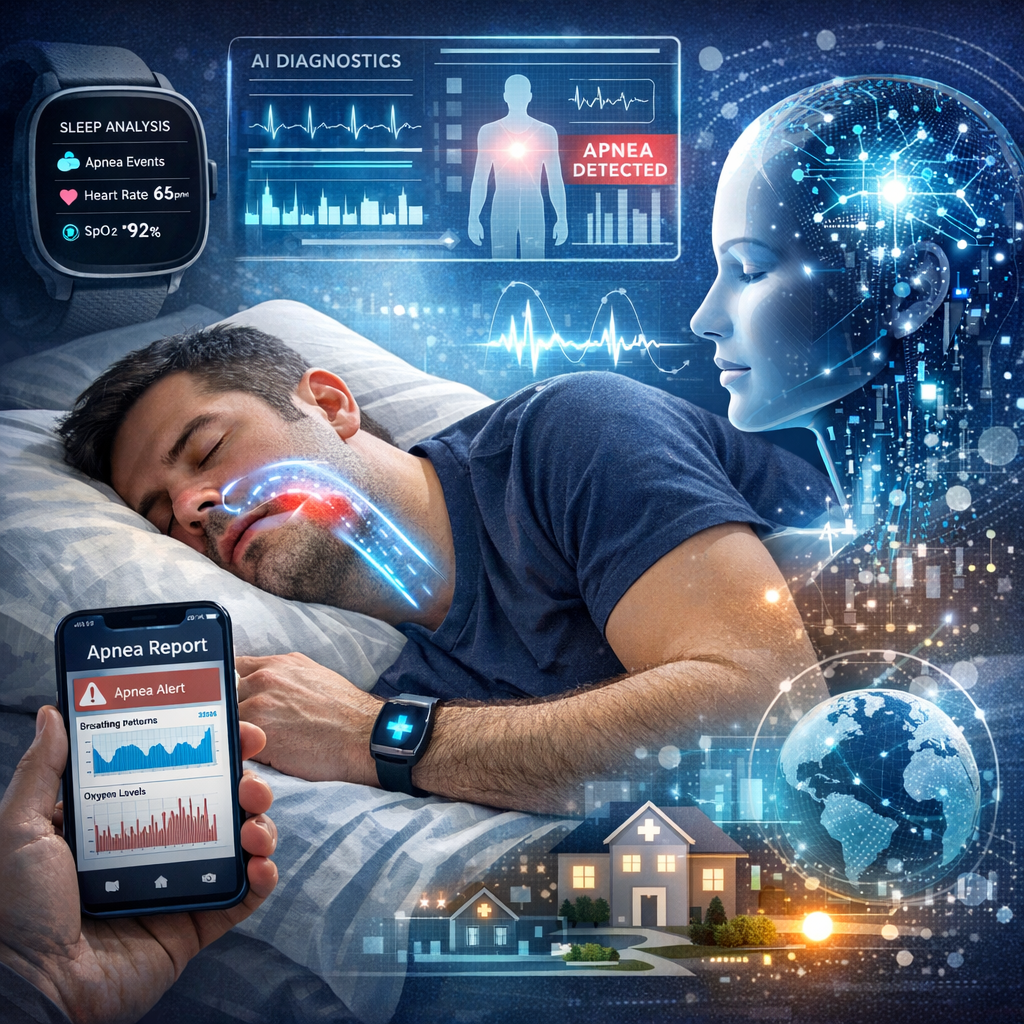
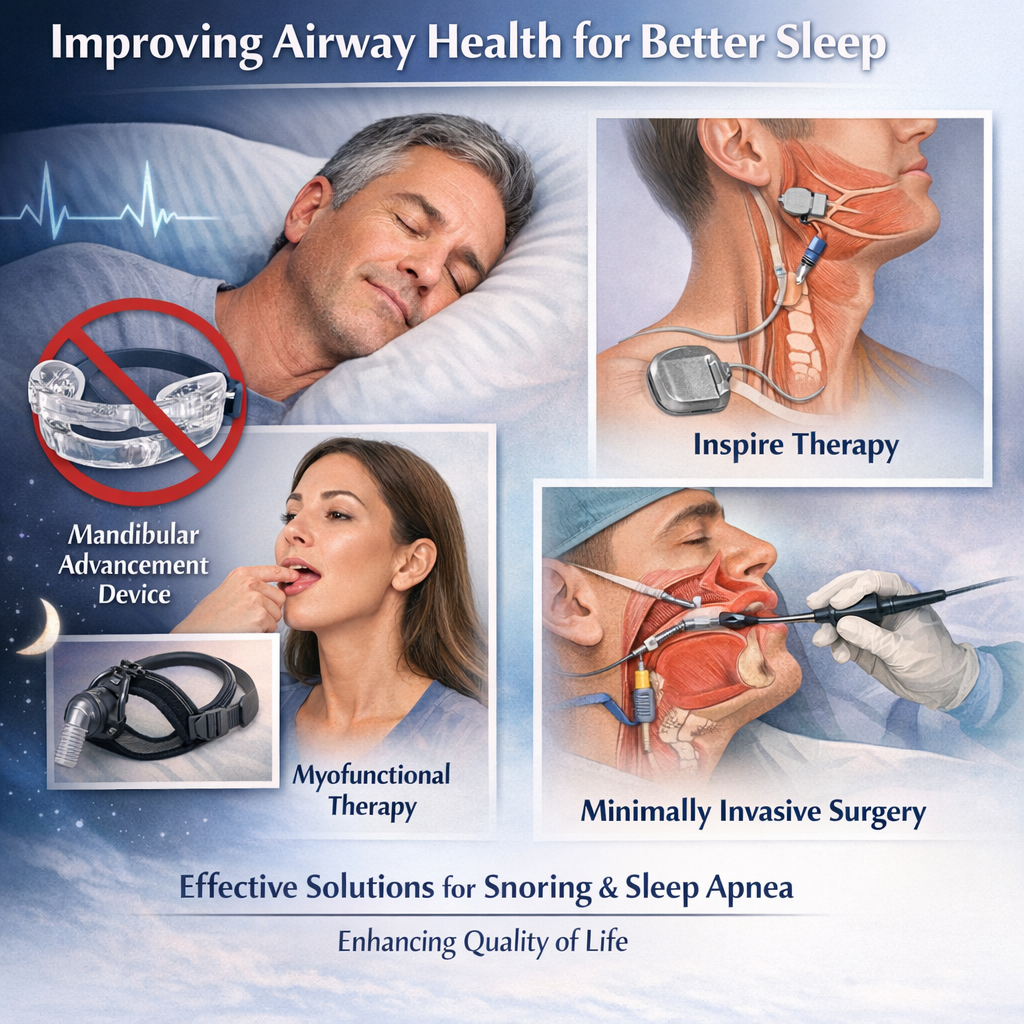
**Sleep apnea** has long been a major health issue affecting millions worldwide. Characterized by repeated cessation of breathing during sleep, it leads to poor sleep quality and poses risks such as **cardiovascular disease**, depression, and impaired cognitive function. Traditional treatments like **Continuous Positive Airway Pressure (CPAP)** therapy can be cumbersome, leading many to seek alternatives. Enter the revolutionary approach of **AI-driven neurofeedback**, a cutting-edge method promising to personalize and enhance sleep apnea treatment.
Traditional approaches often rely on generalized solutions that may not work effectively for everyone. This is where AI-driven neurofeedback steps in, offering a fresh perspective by leveraging **artificial intelligence** to tailor interventions based on individual needs. Neurofeedback, a form of biofeedback, involves monitoring brain wave patterns and training individuals to control them. When paired with AI, this technique can analyze vast amounts of sleep data, uncovering patterns and identifying specific interventions that best suit each individual.
The fusion of AI technology with neurofeedback aims to address the root causes of sleep disturbances by providing real-time feedback and strategies tailored to the individual’s unique brain activity. **AI algorithms** can predict disruptions in breathing patterns and other physiological changes, helping to retrain the brain to promote healthier breathing habits during sleep. This not only enhances treatment efficacy but also offers hope for those who have struggled with conventional methods.
More than just a futuristic concept, AI-driven neurofeedback is gaining traction through ongoing research and trials. This approach is set to become a game-changer for **sleep apnea** sufferers, offering a non-invasive, personalized, and highly effective treatment option. Understanding its potential impact on sleep health may pave the way for a new era of **treatment strategies** focused on individual needs.
Features
The marriage between AI technology and neurofeedback in treating sleep apnea is supported by a growing body of research exploring its efficacy. A notable study published in **[Nature and Science of Sleep](https://www.dovepress.com/nature-and-science-of-sleep-journal)** highlighted the success of AI-driven neurofeedback in improving sleep quality and reducing obstructive sleep apnea (OSA) symptoms. By utilizing **machine-learning algorithms**, researchers were able to analyze sleep patterns, offering insights into personalized treatment plans that dynamically adjust based on patient response and progress.
Moreover, AI-driven solutions are showing promising results in real-world applications. A study by the **Sleep Research Society** utilized advanced neurofeedback systems capable of adapting in real-time to the sleep architecture of participants. This capability allows for immediate adjustments to therapeutic feedback, optimizing effectiveness. Participants reported better sleep quality, reduced apnea events, and higher overall satisfaction compared to traditional treatments.
Beyond academic studies, technology firms like **[Dreem](https://dreem.com)** are creating wearable headbands that incorporate AI-driven neurofeedback features. These devices gather sleep data over time and employ AI to deliver tailored interventions. The feedback provided helps users develop healthier sleep habits and better manage breathing during sleep, offering a compelling alternative to traditional apparatus like CPAP machines.
The continuous evolution of AI-driven neurofeedback suggests a future where personalized medicine is a standard practice in sleep health. As technology advances, it offers greater accessibility, allowing individuals across demographics to benefit. The personalized nature of AI applications in sleep medicine promises to enhance treatment outcomes and fosters proactive health management, empowering individuals to control their sleep wellness.
Conclusion
AI-driven neurofeedback represents a paradigm shift in the treatment of sleep apnea. By offering a personalized and dynamic solution tailored to individual needs, this innovative technique has the potential to transform the landscape of sleep medicine. The integration of AI into sleep health solutions allows for unparalleled customization, leading to more effective treatments and enhanced patient satisfaction.
The implications of adopting AI-driven neurofeedback are vast, potentially reducing the overall burden of sleep-related health issues and improving quality of life for millions. As research continues to validate its efficiency and new technologies make it more accessible, it paves the way for a future where personalized sleep health solutions are within reach for all.
In conclusion, while traditional treatments for sleep apnea remain valuable, embracing cutting-edge advancements like AI-driven neurofeedback unlocks new potential in managing this ubiquitous sleep disorder. As these technologies become integrated into mainstream healthcare, optimism grows for sleep apnea sufferers globally.
Concise Summary
AI-driven neurofeedback offers a transformative approach to treating **sleep apnea** by using artificial intelligence to tailor interventions to individual brainwave patterns and needs. This innovative method aims to improve sleep quality and reduce symptoms by predicting and retraining breathing patterns during sleep. Supported by research, AI-driven neurofeedback is becoming a practical alternative to traditional treatments like CPAP, offering personalized and non-invasive solutions. As this technology becomes more accessible, it promises improved health outcomes and quality of life for millions, representing a significant shift towards personalized medicine in sleep health.

Dominic E. is a passionate filmmaker navigating the exciting intersection of art and science. By day, he delves into the complexities of the human body as a full-time medical writer, meticulously translating intricate medical concepts into accessible and engaging narratives. By night, he explores the boundless realm of cinematic storytelling, crafting narratives that evoke emotion and challenge perspectives.
Film Student and Full-time Medical Writer for ContentVendor.com