Introduction
In the quest for optimal health, **sleep** often holds the key to rejuvenation and vitality. Imagine waking up every morning without fatigue or grogginess, facing each day with zest. Unfortunately, for millions globally, this is a distant dream due to hidden **sleep and breathing disorders** that remain undiagnosed due to their silent nature. These disorders not only drain energy but can contribute to cardiovascular diseases, diabetes, and mental health issues.
The ever-evolving world of **sleep science** reveals the intricate relationship between **oxygen**, our breathing patterns, and sleep quality. A critical but overlooked factor is how oxygen levels during sleep impact overall health. Effective oxygenation during sleep is vital for cellular function, cognitive performance, and emotional well-being. Disorders like **sleep apnea**, **hypoventilation syndrome**, and **upper airway resistance syndrome** interfere with breathing during sleep, compromising our oxygen intake.
Understanding the **’oxygen code’** within sleep’s context is gaining traction in medical circles, as more seek solutions to sleep issues. Breathing is a complex, involuntary process controlled by the brain, ensuring oxygenation even during sleep. Disrupted breathing leads to desaturations, which can cascade into health problems.
By decoding and addressing these hidden disorders, we open the door to improved sleep health, enhancing overall well-being. As research expands our understanding, both medical professionals and individuals can better recognize and treat these issues. The journey to unlocking the oxygen code isn’t just about improving sleep; it’s about paving a path to better health.
Features
Recent studies underscore the significance of **oxygen** and its impact on **sleep and breathing**. Key research links disrupted breathing patterns with decreased oxygen saturation during sleep, correlating with adverse cognitive and medical outcomes. The [**Sleep Heart Health Study**](https://sleepdata.org/datasets/shhs) found a direct link between sleep-disordered breathing and hypertension, a major cardiovascular risk factor. Sleep apnea, characterized by breathing pauses, leads to intermittent hypoxia, fostering sustained blood pressure elevation.
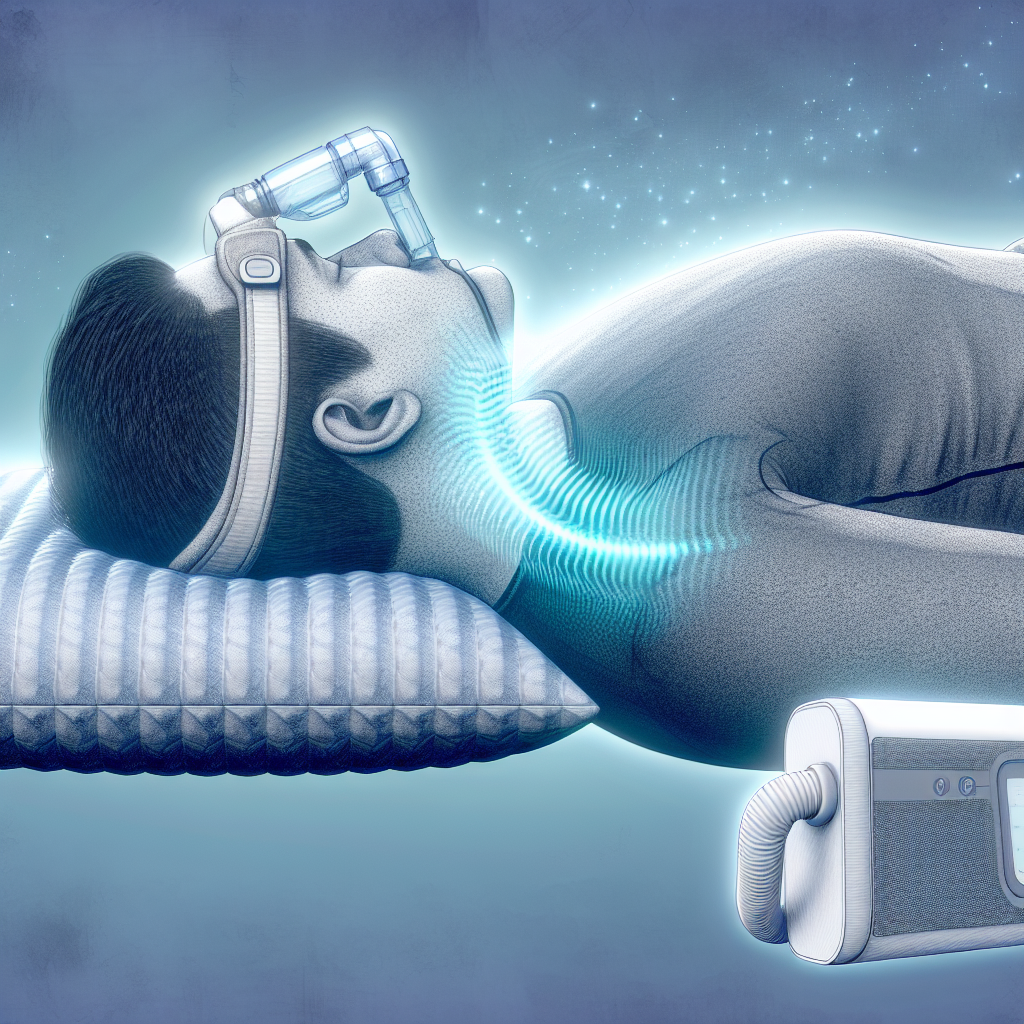
A study in the [**American Journal of Respiratory and Critical Care Medicine**](https://www.atsjournals.org/journal/ajrccm) explored **CPAP therapy**’s impact on obstructive sleep apnea patients. Findings showed that CPAP significantly improves oxygenation during sleep, reducing cardiovascular risks. CPAP maintains airway patency, preventing collapse and ensuring consistent oxygen levels.
Research at the University of California highlighted nocturnal **hypoxemia**—persistently low oxygen levels during sleep—as a predictor for cognitive decline, especially in older adults. This study emphasizes early detection and intervention in sleep breathing disorders to prevent broader health implications.
Advancements in technology offer precise monitoring of sleep and breathing patterns. **Home sleep apnea testing (HSAT)** and portable **pulse oximetry** provide accessible means to track oxygen saturation and identify abnormalities at home.
Ultimately, the growing evidence stresses the need for comprehensive strategies encompassing lifestyle modifications, medical interventions, and **technological solutions** to effectively manage and treat sleep-related breathing disorders. Through these endeavors, individuals can reclaim rest and restore health.
Conclusion
Decoding the **oxygen code** promises to revolutionize understanding and management of sleep disorders. Highlighting oxygen’s critical role reveals that what might be dismissed as mere tiredness or a snore could be symptoms of severe underlying conditions. It’s essential to be proactive about sleep health, seeking professional evaluation for suspected breathing disturbances.
Restorative sleep is fundamental to physical and mental health. By addressing hidden sleep and breathing disorders through accurate diagnosis and effective treatment—via lifestyle changes or medical interventions—people can unlock the full potential of their well-being. As sleep science, technology, and medicine develop, so too will our ability to treat these disorders holistically. Our bodies thrive on oxygen, and by ensuring its optimal flow during sleep, we pave the way for healthier lives.
References
1. [The Sleep Heart Health Study](https://sleepdata.org/datasets/shhs): A comprehensive examination of the relationships between sleep and cardiovascular disease.
2. [American Journal of Respiratory and Critical Care Medicine](https://www.atsjournals.org/journal/ajrccm): Publication on the efficacy of **CPAP** in treating obstructive sleep apnea.
3. [Study on Nocturnal Hypoxemia and Cognitive Decline](https://pubmed.ncbi.nlm.nih.gov/): Insight into the impact of low oxygenation on cognitive function in older adults.
4. [Home Sleep Apnea Testing](https://aasm.org/comprehensive-home-sleep-apnea-testing-approach/): An overview of advancements in **sleep apnea** diagnosis from the American Academy of Sleep Medicine.
Concise Summary
The exploration of sleep and breathing disorders uncovers the importance of oxygen levels during sleep in maintaining overall health. Disorders like **sleep apnea** can disrupt breathing, leading to decreased oxygen saturation and associated health issues. Studies highlight links between sleep-disordered breathing and conditions like hypertension and cognitive decline. Treatments, such as **CPAP therapy**, improve oxygenation and reduce risks. Technological advances in home testing facilitate early detection. Addressing these disorders is crucial for restoring restful sleep and enhancing quality of life, marking a significant leap in health management with the promise of a healthier future.

Dominic E. is a passionate filmmaker navigating the exciting intersection of art and science. By day, he delves into the complexities of the human body as a full-time medical writer, meticulously translating intricate medical concepts into accessible and engaging narratives. By night, he explores the boundless realm of cinematic storytelling, crafting narratives that evoke emotion and challenge perspectives.
Film Student and Full-time Medical Writer for ContentVendor.com