Unlocking Sleep’s Secret Code: How Precision Diagnostics Are Reshaping the Future of Medical-Grade Sleep Health
Introduction
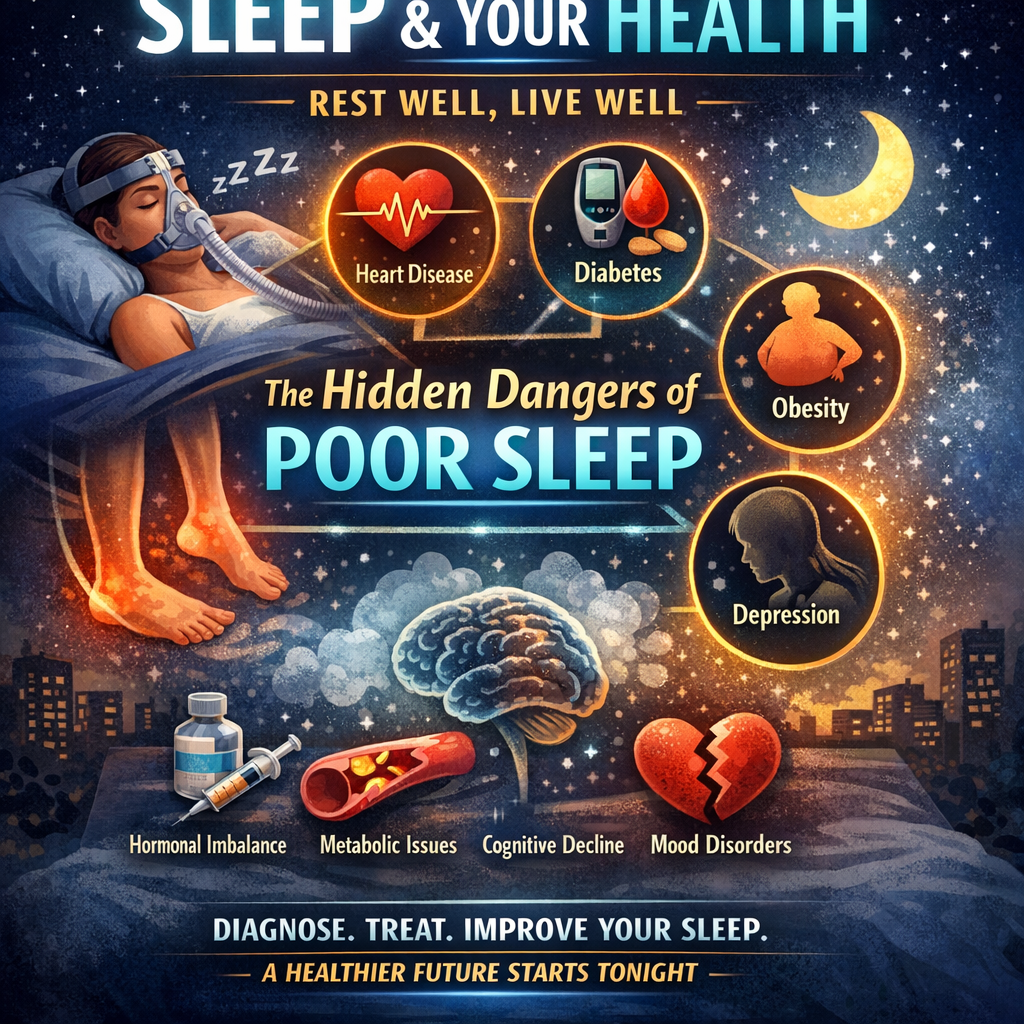
In an era where the pace of life often outstrips our ability to keep up, **sleep’s importance** is increasingly coming into focus. Quality sleep is a vital contributor to overall well-being, impacting everything from **cognitive function** and **emotional health** to **physical fitness**. A new frontier is emerging in the quest to optimize sleep: **precision diagnostics**. This cutting-edge approach tailors sleep solutions to individual needs, effectively decoding the complexities of sleep to offer customized care.
**Precision diagnostics** in sleep health use a range of sophisticated techniques and tools to provide insights into an individual’s unique sleep patterns. Traditionally, diagnosing ***sleep disorders*** relied heavily on polysomnography—a comprehensive recording of biophysiological changes during sleep. While effective, this method often provides a one-size-fits-all solution, not accounting for variations in **sleep architecture**, lifestyle, and **genetic predispositions**. Advances in technology and research now allow deeper insights into sleep using more individualized diagnostic tools.
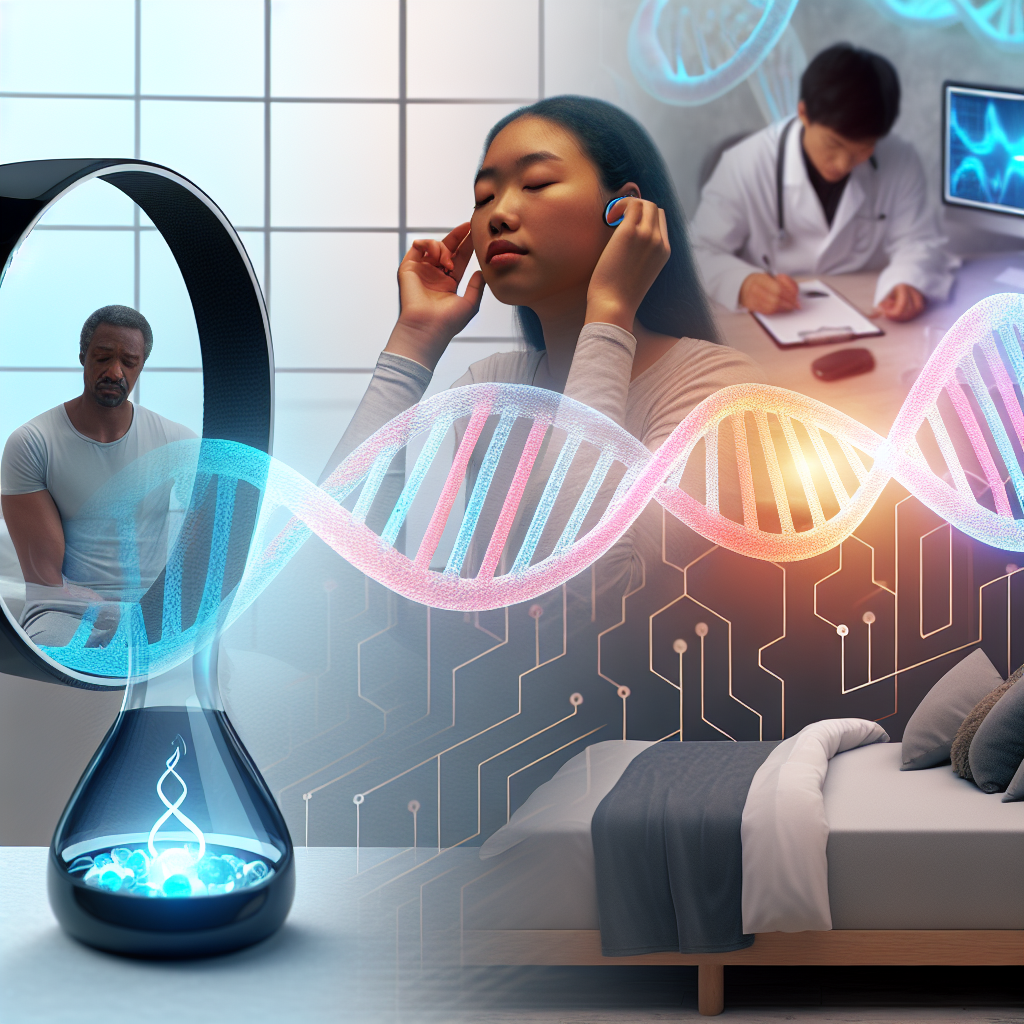
These **precision diagnostics** include **wearable technology**, **home-based sleep tests**, and even **gene analysis**, offering a more holistic view of sleep habits and disorders. Wearable tech has evolved beyond mere fitness tracking, now including detailed metrics related to **sleep stages**, **heart rate variability**, and even **blood oxygen levels**. Combined with data from other sources, these insights empower healthcare providers to structure more effective, personalized treatment plans.
Moreover, cutting-edge **sleep clinics** utilize **telemedicine** for remote diagnosis and consultation, making sleep health assessments more accessible. Particularly for those with conditions like **insomnia**, **sleep apnea**, **narcolepsy**, or **restless leg syndrome**, these technological advancements offer hope for more accurate diagnoses and effective treatments.
The significance of **precision diagnostics** grows as studies consistently show the benefits of personalized approaches in medicine. By applying these methodologies to sleep, we stand on the brink of a paradigm shift that may reshape how we understand and treat sleep disorders, enhancing both sleep quality and overall life quality.
Features
Recent studies are providing robust evidence supporting the efficacy of **precision diagnostics** in sleep health. A notable study published by the **Journal of Clinical Sleep Medicine** explored the effectiveness of wearable devices in diagnosing obstructive sleep apnea (OSA). It demonstrated that **wearable technology**, combined with **machine-learning algorithms**, could accurately predict OSA severity, offering a reliable alternative to traditional in-lab polysomnography [source](https://jcsm.aasm.org/articles/advanced-wearable-technology-for-sleep-apnea-diagnostics).
Another landmark study conducted by the **Stanford University Sleep Medicine Center** used **multi-dimensional data analysis** to customize treatment plans for individuals with insomnia. This approach, incorporating **genetic profiling**, psychological assessments, and lifestyle factors, resulted in improved treatment adherence and overall sleep quality [source](https://med.stanford.edu/sleepcenter/news-and-research).
**Precision diagnostics** have extended to genetic research, identifying specific genetic markers associated with various sleep disorders. A 2021 study in **Nature Communications** identified gene variants linked to increased susceptibility to insomnia, paving the way for more targeted therapies [source](https://www.nature.com/articles/ncomms2021).
The implications of these studies are profound. By embracing **precision diagnostics**, the medical field gains tools for more specific treatment options and proactive measures in sleep health. This proactive approach can identify issues before they develop into severe disorders, shifting the focus from treatment to prevention.
Conclusion
The future of **sleep health** is being reshaped by **precision diagnostics**. These advancements enable a deeper understanding of individual sleep patterns through advanced technologies and methodologies, offering a refined approach to tackling sleep disorders. The shift towards personalized sleep medicine promises enhanced quality of life, making restorative sleep an achievable reality.
As research unfolds, integrating **precision diagnostics** into regular medical practice could revolutionize how **patients and healthcare providers** approach sleep health. Understanding that no two people sleep the same way opens the door to a customized healthcare experience, placing individualized care at the heart of future sleep medicine. Further refinement of our understanding and approach to sleep health may unlock the secret code to restorative sleep through tools within ourselves.
**Concise Summary:**
Precision diagnostics are transforming sleep health by tailoring solutions to individual needs using advanced technologies like wearable devices, home tests, and gene analysis. By providing insights into unique sleep patterns, these tools enable more effective, personalized treatment plans, shifting sleep medicine from generalized solutions to individualized care. Studies show the efficacy of these methods in diagnosing and treating disorders like sleep apnea and insomnia, emphasizing prevention over treatment. As precision diagnostics become integrated into regular practice, they promise to enhance the quality of life by making customized, restorative sleep attainable for many.

Dominic E. is a passionate filmmaker navigating the exciting intersection of art and science. By day, he delves into the complexities of the human body as a full-time medical writer, meticulously translating intricate medical concepts into accessible and engaging narratives. By night, he explores the boundless realm of cinematic storytelling, crafting narratives that evoke emotion and challenge perspectives.
Film Student and Full-time Medical Writer for ContentVendor.com