The Unseen Pillars: How Sleep Apnea is Shaping the Future of Neurological Health and Longevity
Introduction
**Sleep apnea** is an insidious **sleep disorder** affecting millions worldwide, often remaining **underdiagnosed**. Characterized by repeated interruptions in breathing during sleep, this condition significantly impacts both **sleep quality** and overall health. The **oxygen supply** diminishes, leading to fragmented sleep and significant **daytime fatigue**. While many recognize its immediate effects, fewer are aware of its long-term implications, particularly on **neurological health** and **longevity**.
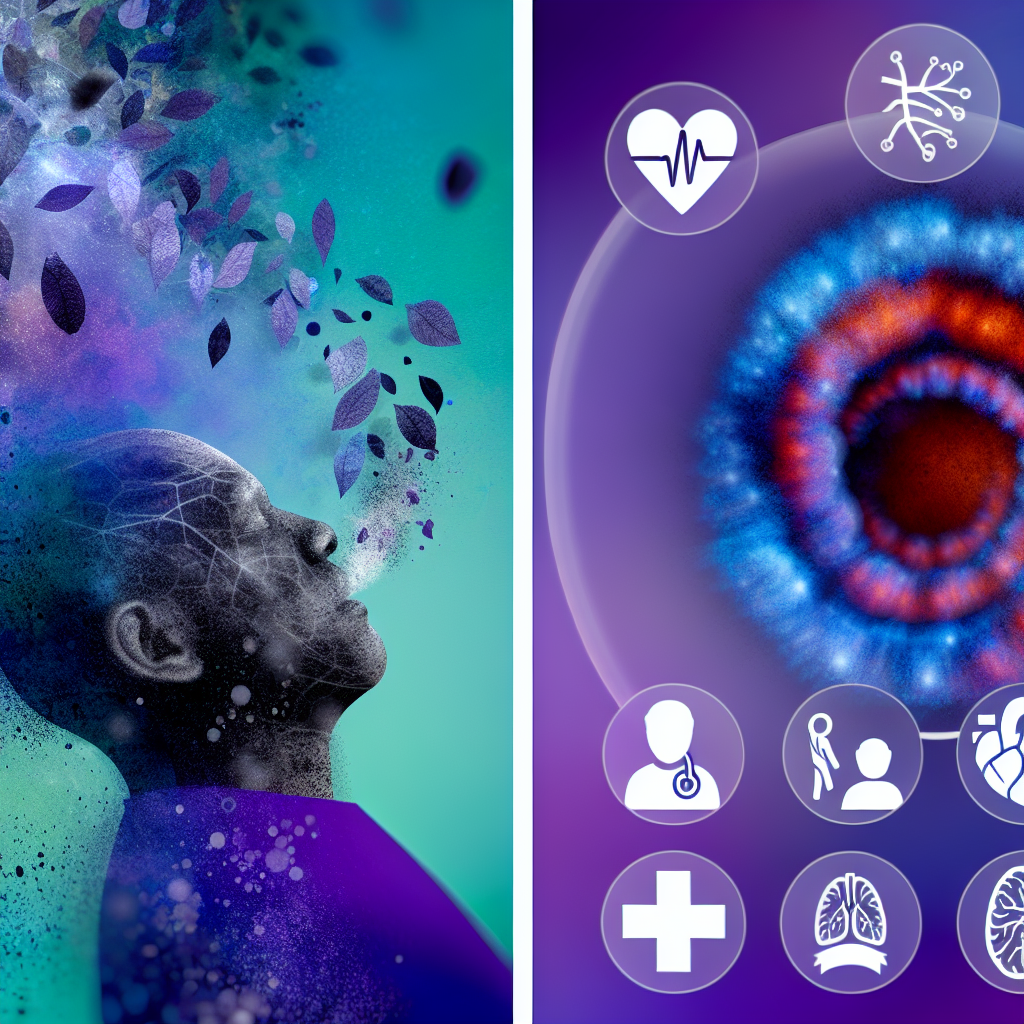
Emerging research links sleep apnea to neurological disorders such as **Alzheimer’s disease**, **Parkinson’s disease**, and **stroke**. These connections illustrate the disorder’s systemic impacts, emphasizing the importance of early detection and management. **Sleep** is a critical time for the brain to rest and rejuvenate. Persistent disruption by apnea can impair cognitive function and accelerate **neurological aging**.
Furthermore, sleep apnea exacerbates several other health issues, notably impacting the **cardiovascular system**. It is intertwined with cardiovascular health, increasing risks of **high blood pressure**, **heart attack**, and stroke. Lack of adequate restful sleep can worsen these conditions, underscoring the intricate link between sleep and overall health. Addressing this condition can thus be pivotal in ensuring longer, healthier lives. Given the growing prevalence of sleep disorders, it is essential to explore how these **”unseen pillars”** affect our longevity, leading us to innovative solutions and therapies to counteract these adverse effects. This understanding might revolutionize healthcare, emphasizing aging and neurological well-being approaches.
Features
Recent studies illuminate sleep apnea’s far-reaching effects, notably on neurological health. For example, a 2017 study in **Neurology** discovered that people with **obstructive sleep apnea (OSA)** had reduced **gray matter** in their brains, typically associated with aging and **neurodegenerative diseases**. This loss affects cognitive functions such as memory, attention, and decision-making.
A 2019 study in **Sleep Medicine Reviews** explored pathways through which sleep apnea influences **neurodegeneration**, noting that intermittent **hypoxemia** (reduced blood oxygen) and **sleep fragmentation** increase **beta-amyloid production**. Beta-amyloid plaques are a hallmark of **Alzheimer’s disease**. This connection suggests sleep apnea may accelerate cognitive decline and contribute to **dementia**’s onset.
Another critical study by the **American Academy of Sleep Medicine** in 2021 highlighted that effective treatment of sleep apnea with **Continuous Positive Airway Pressure (CPAP)** therapy could not only improve sleep quality but also slow or reverse neural damage from sustained poor sleep. This finding provides hope, implying that prompt treatment can alleviate or mitigate sleep apnea’s neurological impact.
An observational study in **The Lancet Neurology** in 2022 examined sleep apnea’s effects on **life expectancy**, establishing that untreated sleep apnea can lead to **neurovascular incidents**, increasing stroke risks—a condition reducing both quality and longevity.
This cumulative evidence calls for action among patients, healthcare providers, and researchers. It emphasizes the need for proactive measures, including early diagnosis and intervention, to curb sleep apnea’s neurological and longevity impacts. By doing so, we can improve life quality for those affected and enhance our understanding of sleep-related disorders and their wider health implications.
Conclusion
In an era where health and **longevity** are vital, understanding sleep apnea’s effects on neurological health is paramount. The disorder’s silent nature makes it a significant opponent in aging and neurodegeneration. However, with knowledge from recent scientific studies, we can turn the tide. Increased awareness, early diagnosis, and effective treatments like CPAP therapy can mitigate effects, promoting better neurological health and longevity.
Regular screenings and advocating for **sleep health** should be integral to preventive healthcare. Addressing sleep apnea enhances individual well-being and advances the quest for healthier, longer lives. Once illuminated, sleep apnea’s unseen pillars offer a pathway to improved health outcomes now and in the future.
References
1. [Neurology Journal – Sleep Apnea and Gray Matter Loss](https://n.neurology.org/)
2. [Sleep Medicine Reviews – Sleep Apnea and Neurodegeneration Pathways](https://www.sciencedirect.com/journal/sleep-medicine-reviews)
3. [American Academy of Sleep Medicine – CPAP and Neural Recovery](https://aasm.org/)
4. [The Lancet Neurology – Sleep Apnea and Life Expectancy](https://www.thelancet.com/journals/laneur/)
Concise Summary
**Sleep apnea**, a common yet underdiagnosed sleep disorder, severely impacts **neurological health** and **longevity**. It links to disorders like **Alzheimer’s** and **Parkinson’s** and affects **cognitive functions** due to disrupted sleep. Significant loss of **gray matter** and increased risks of stroke emerge in studies. Effective treatments, such as **CPAP therapy**, can combat cognitive decline, improve **sleep quality**, and extend life expectancy. Hence, emphasizing early diagnosis and proactive care. Addressing sleep apnea can revolutionize healthcare, enhancing both individual well-being and the broader quest for longer, healthier lives.

Dominic E. is a passionate filmmaker navigating the exciting intersection of art and science. By day, he delves into the complexities of the human body as a full-time medical writer, meticulously translating intricate medical concepts into accessible and engaging narratives. By night, he explores the boundless realm of cinematic storytelling, crafting narratives that evoke emotion and challenge perspectives.
Film Student and Full-time Medical Writer for ContentVendor.com