The Intersection of AI and Sleep Medicine: How Predictive Algorithms Are Revolutionizing Sleep Apnea Diagnosis
**Introduction**
**Sleep apnea** is a pervasive sleep disorder marked by repeated interruptions in breathing during sleep, impacting over 22 million Americans. It significantly affects sleep quality, leading to daytime fatigue, impaired cognitive function, and increased risks of hypertension, heart disease, and stroke. Traditionally, diagnosing sleep apnea involves overnight polysomnography in a sleep lab—a process that is both expensive and resource-intensive. However, the advent of **artificial intelligence (AI)** is poised to transform this landscape, offering innovative approaches that enhance accessibility, affordability, and accuracy in sleep apnea diagnosis.
The integration of AI into **sleep medicine** is not just about automating existing processes but fundamentally altering our approach to sleep disorders. **Predictive algorithms**, a subset of AI technologies, have shown tremendous potential in identifying patterns and correlations within complex data sets that were previously inscrutable to human analysis. These algorithms are designed to learn from vast amounts of data, recognize sleep apnea patterns, and predict the occurrence of sleep events with impressive accuracy.
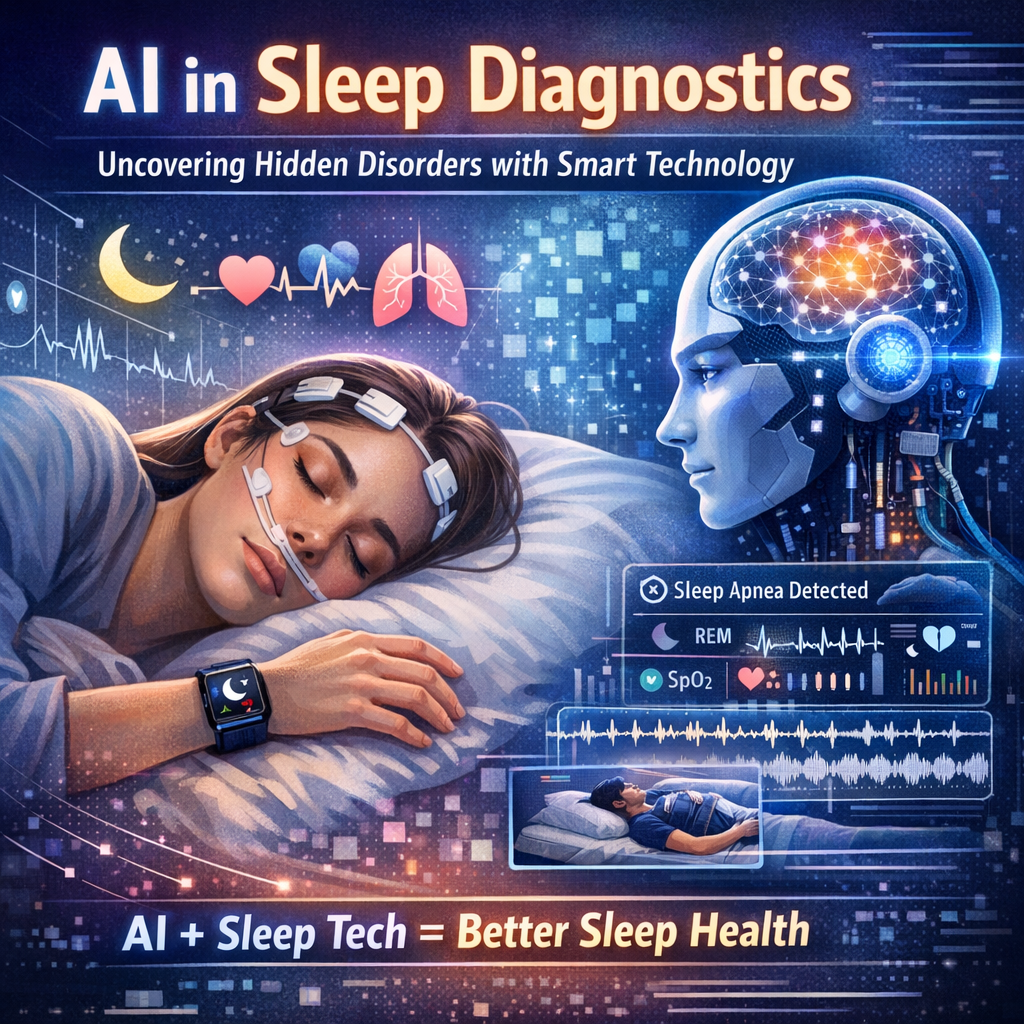
One groundbreaking application involves **wearable technology** equipped with sensors that record physiological data, such as heart rate, oxygen levels, and movement patterns during sleep. **AI algorithms** can analyze this data in real-time, recognizing anomalies that indicate sleep apnea events. This approach enables preliminary screening in the comfort of one’s home, significantly reducing the need for costly and inconvenient overnight lab studies.
In addition to enhancing diagnostic accuracy, AI-powered tools improve personalization in sleep medicine. Sleep apnea is a heterogeneous disorder with varying symptoms and severity across individuals. Advanced algorithms can analyze individual sleep data to create tailored treatment plans, potentially increasing the effectiveness of interventions like **Continuous Positive Airway Pressure (CPAP) therapy**.
AI is also democratizing access to sleep apnea diagnosis. In regions with limited healthcare resources, AI-driven tools can offer remote screenings, ensuring that individuals with sleep disorders receive timely attention and care. As sleep medicine embraces these advances, the potential for improving patient outcomes grows exponentially.
Features
Several professional and medical studies illustrate the transformative role of AI in sleep apnea diagnosis. One pivotal study, published in the journal *Nature and Science of Sleep*, explored using AI algorithms to analyze data from wearable devices and identify sleep apnea events. The researchers discovered that these algorithms achieved a diagnostic accuracy rate comparable to traditional polysomnography, highlighting AI-based methods as viable alternatives or supplements to conventional diagnostics.
Moreover, a study in the *Journal of Clinical Sleep Medicine* examined machine learning models designed to predict **obstructive sleep apnea (OSA)** from clinical and physiological data. The study demonstrated that machine learning models could efficiently stratify patients based on their risk of OSA, which is invaluable for prioritizing diagnostic assessments and tailoring interventions to individual patients.
Another area of research focuses on developing AI tools for automatic analysis of electroencephalographic (EEG) signals. Studies have shown that these AI-powered systems can automatically classify sleep stages and detect apnea events, reducing the time and expertise traditionally required for manual analysis. This advancement addresses the shortage of sleep specialists and enables more timely and efficient diagnosis.
AI’s benefits extend beyond diagnosis, as shown in a study published in *Sleep Medicine Reviews*. The research explored AI-driven models for predicting adherence to CPAP therapy. By analyzing factors such as patient demographics, comorbidities, and initial CPAP use patterns, the AI system could predict which patients were more likely to adhere to therapy, allowing for targeted interventions to improve compliance.
As AI continues to evolve, ongoing research and trials are crucial for refining these technologies and ensuring their clinical validity. Regulatory agencies are beginning to recognize the potential of AI in healthcare, leading to increased investments in research and development to further integrate these tools into standard diagnostic and treatment protocols.
Conclusion
The intersection of AI and sleep medicine heralds a new era in the diagnosis and management of sleep apnea. By harnessing the power of predictive algorithms and machine learning, we can transform the conventional diagnostic processes, providing more accurate, accessible, and personalized care. These AI-driven innovations offer an unparalleled opportunity to tackle sleep apnea’s challenges globally, from improved diagnostic capabilities to enhanced treatment efficacy.
As the field progresses, adopting AI technologies can lead to significant breakthroughs in sleep health, benefiting millions of individuals worldwide. By acknowledging and embracing this revolution, healthcare providers can better meet the needs of their patients, leading to better health outcomes and, ultimately, a better quality of life.
**References**
1. [National Sleep Foundation. Sleep Apnea Information](https://www.sleepfoundation.org/sleep-apnea).
2. [Nature and Science of Sleep. AI and Sleep Apnea](https://www.dovepress.com/ai-and-sleep-apnea-journal).
3. [Journal of Clinical Sleep Medicine. Machine Learning Models for OSA Prediction](https://jcsm.aasm.org/).
4. [Sleep Medicine Reviews. CPAP Adherence and AI](https://www.sleepmedreviews.com/).
**Concise Summary**
Artificial intelligence is revolutionizing **sleep apnea diagnosis** by enhancing accessibility and precision. Through predictive algorithms, AI identifies patterns in complex data that were previously inaccessible, transforming both diagnostics and treatment personalization. Wearable technology, combined with AI, facilitates real-time home screening, making traditional, costly sleep studies less necessary. Research underscores AI’s comparable accuracy to traditional methods, with its applications in **predicting therapy adherence** marking significant advances. These technologies democratize diagnosis and open significant opportunities for improved patient outcomes, all while addressing global healthcare resource disparities.

Dominic E. is a passionate filmmaker navigating the exciting intersection of art and science. By day, he delves into the complexities of the human body as a full-time medical writer, meticulously translating intricate medical concepts into accessible and engaging narratives. By night, he explores the boundless realm of cinematic storytelling, crafting narratives that evoke emotion and challenge perspectives.
Film Student and Full-time Medical Writer for ContentVendor.com