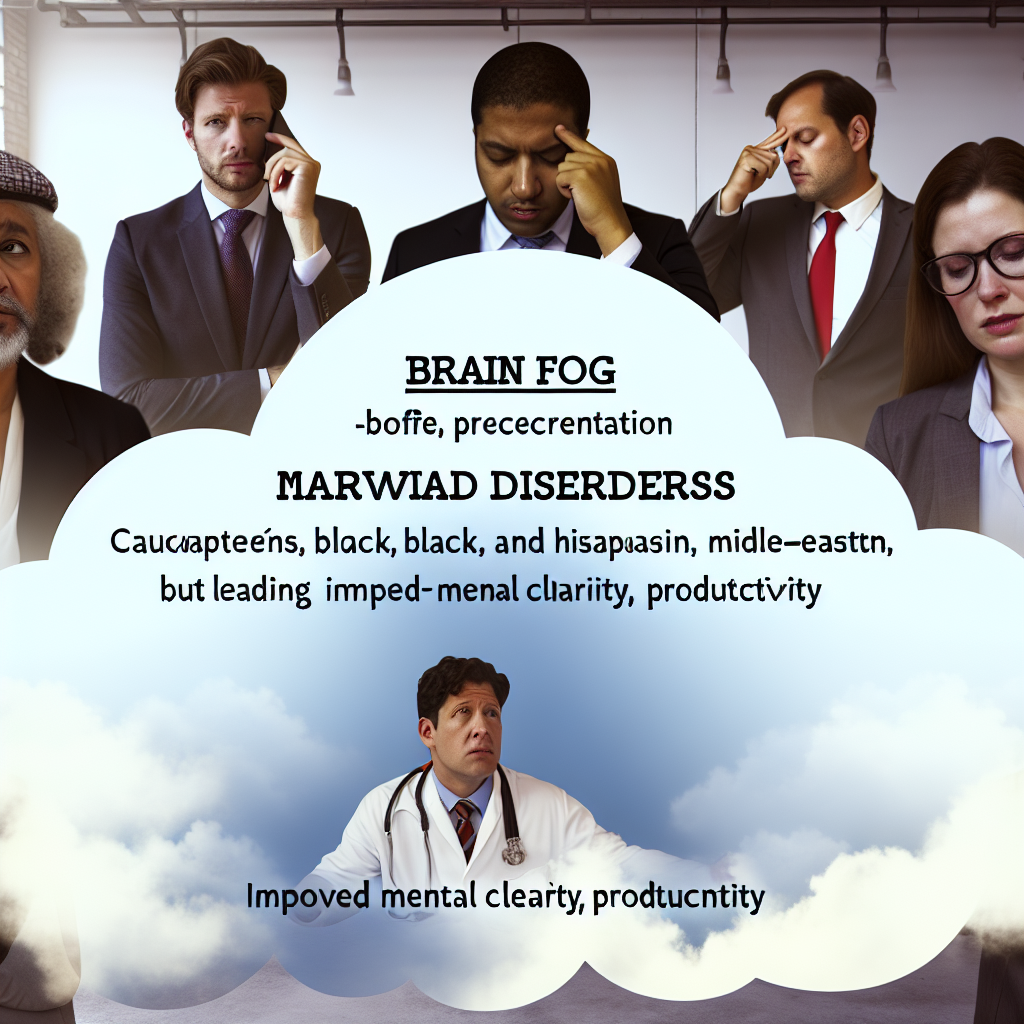
The Overlooked Link Between Sleep Apnea and Economic Productivity: Tracking the Ripple Effect on National GDPs
Introduction
**Sleep**, a universal physiological necessity, often lacks the attention it deserves when discussing national economic performance. Among various **sleep disorders**, **sleep apnea** stands out as both prevalent and pernicious, impacting countless lives globally. Characterized by repeated interruptions in breathing during sleep, sleep apnea affects more than just the quality of rest—it has profound ramifications on daily functioning and, by extension, **economic productivity**.
**Sleep apnea’s implications extend beyond personal health.** As the disorder leads to chronic fatigue and reduced cognitive capabilities, its effects invariably infiltrate workplace performance. This influences productivity levels significantly. The importance of this cannot be overstated; the ripple effect of diminished **individual productivity** extends to shifts in economic productivity at a national level, hinting at latent influences on **GDP**.
Consider the individual experiencing sleep apnea. Frequent nighttime awakenings lead to fragmented sleep, resulting in excessive daytime sleepiness. In a workplace setting, this translates to reduced concentration, delayed reaction times, and an increased likelihood of errors, not to mention higher absenteeism rates. Collectively, these factors contribute to decreased economic output, highlighting a critical, albeit overlooked, connection between sleep health and **economic vigor**.
The economic footprint of sleep disorders, especially sleep apnea, is substantial. Studies show that treating sleep apnea can reverse its adverse effects, improving not only quality of life but also economic outcomes. The cost of diagnosis and treatment might seem significant at first, yet the resultant productivity boost offers a compelling return on investment.
**Governments and health organizations across the globe are starting to recognize the link.** Policies promoting better sleep health could be pivotal in bolstering economies, with research consistently showing that countries with citizens who maintain healthy sleep patterns enjoy higher productivity and, hence, better economic outcomes.
This article explores the intricate link between sleep apnea and national **economic productivity**, drawing insights from notable studies and expert opinions. By shedding light on this association, we aim to underscore the critical importance of addressing **sleep health** as a strategic element of economic development.
Features
Numerous studies underscore the economic ramifications of **sleep apnea**. A notable study by the **American Academy of Sleep Medicine (AASM)** estimates that sleep apnea-related productivity losses cost the U.S. economy a staggering **$87 billion** annually. The global numbers are presumably even grimmer, underscoring the substantial economic burden of untreated sleep disorders.
Medical research further indicates that continuous positive airway pressure (**CPAP**) therapy can effectively mitigate sleep apnea’s adverse effects. A study in the journal “Sleep” found that patients adhering to CPAP treatment exhibited marked improvements in cognitive function, reducing errors, and increasing workplace efficiency. The same study highlights that the economic benefits of widespread CPAP use could lead to cost savings of **$12.4 billion** annually in the U.S. alone.
Moreover, research conducted by the **RAND Corporation** elucidates the broader economic impact of general sleep deprivation, beyond just sleep apnea. Their findings reveal that the U.S. loses approximately **1.2 million working days** each year due to lack of sleep, costing about **$411 billion** annually, which is about **2.28%** of GDP. Other countries also report significant GDP losses due to sleep-related productivity issues, such as **Japan (2.92%)** and **Germany (1.56%)**.
These findings signify a largely untapped area where health policy improvements could yield economic benefits. For example, the economic impact of better sleep hygiene policies in the workplace could mirror or even surpass the financial returns typically associated with traditional occupational health safety measures.
By investing in sleep health infrastructure and awareness programs, both public and private sectors can drive substantial economic growth. Policymakers are encouraged to prioritize sleep disorders within public health agendas, recognizing the potential **GDP** uplift as a compelling reason. As this evidence mounts, it becomes undeniable that addressing the needs of individuals with sleep apnea is not just a matter of **public health** but also a strategic economic imperative.
Conclusion
The connection between sleep health and **economic productivity** is clear, particularly concerning sleep apnea’s impact on **workforce efficiency**. The intricate interplay between sleep and productivity suggests that ignoring this issue is a missed opportunity for economic improvement. By implementing sleep-friendly policies, encouraging screening and treatment for sleep apnea, and investing in public awareness, nations can foster healthier, more productive populations.
Ultimately, the cost of inaction outweighs the investment in sleep health. Not only does such forward-thinking intervention improve individual well-being and health outcomes, but it also unlocks a potential productivity boost that can propel national GDPs forward. By recognizing and addressing the overlooked links between sleep apnea and economic productivity, we take a significant stride towards building healthier, more prosperous societies. This dual focus on **health and economics** ensures citizens and economies alike are set on a path to sustainable growth and development.
References
1. [American Academy of Sleep Medicine. (2020). “Economic Impacts of Obstructive Sleep Apnea.”](https://aasm.org)
2. [RAND Corporation. “Why Sleep Matters – The Economic Costs of Insufficient Sleep.”](https://www.rand.org/pubs/research_reports/RR1791.html)
3. “Economic Benefits of CPAP Therapy in Sleep Apnea Patients.” Sleep Journal.
Concise Summary
The article scrutinizes the overlooked link between **sleep apnea** and **economic productivity**, emphasizing the disorder’s widespread impact on workplace efficiency and national GDP. With sleep apnea costing the U.S. economy around **$87 billion** annually, effective treatments like **CPAP therapy** emerge as pivotal solutions offering significant productivity boosts and cost savings. Research highlights the broader economic toll of sleep deprivation, indicating extensive GDP losses globally. The piece advocates for enhanced **health policies** and **public awareness**, positioning improved sleep health as a strategic driver for economic growth and prosperity.

Dominic E. is a passionate filmmaker navigating the exciting intersection of art and science. By day, he delves into the complexities of the human body as a full-time medical writer, meticulously translating intricate medical concepts into accessible and engaging narratives. By night, he explores the boundless realm of cinematic storytelling, crafting narratives that evoke emotion and challenge perspectives.
Film Student and Full-time Medical Writer for ContentVendor.com