Unlocking the Next Frontier: How AI-Driven Diagnostics are Revolutionizing Sleep Medicine And Why It’s a Game-Changer for Chronic Disease Prevention
**Introduction:**
**Sleep** is an essential pillar of health, as critical as nutrition and physical activity, yet it remains one of the least understood domains of healthcare. Traditional sleep studies, confined to specialized clinics with cumbersome devices, have served as a bottleneck in understanding **sleep disorders** that affect millions worldwide. These disorders, such as **insomnia**, **sleep apnea**, **narcolepsy**, and **restless legs syndrome**, not only disrupt sleep but also catalyze a myriad of chronic conditions, including **cardiovascular disease**, **diabetes**, and **obesity**. Enter ***AI-driven diagnostics***, poised to revolutionize this landscape—ushering in a new era of **precision**, **accessibility**, and **preventive care** in sleep medicine.
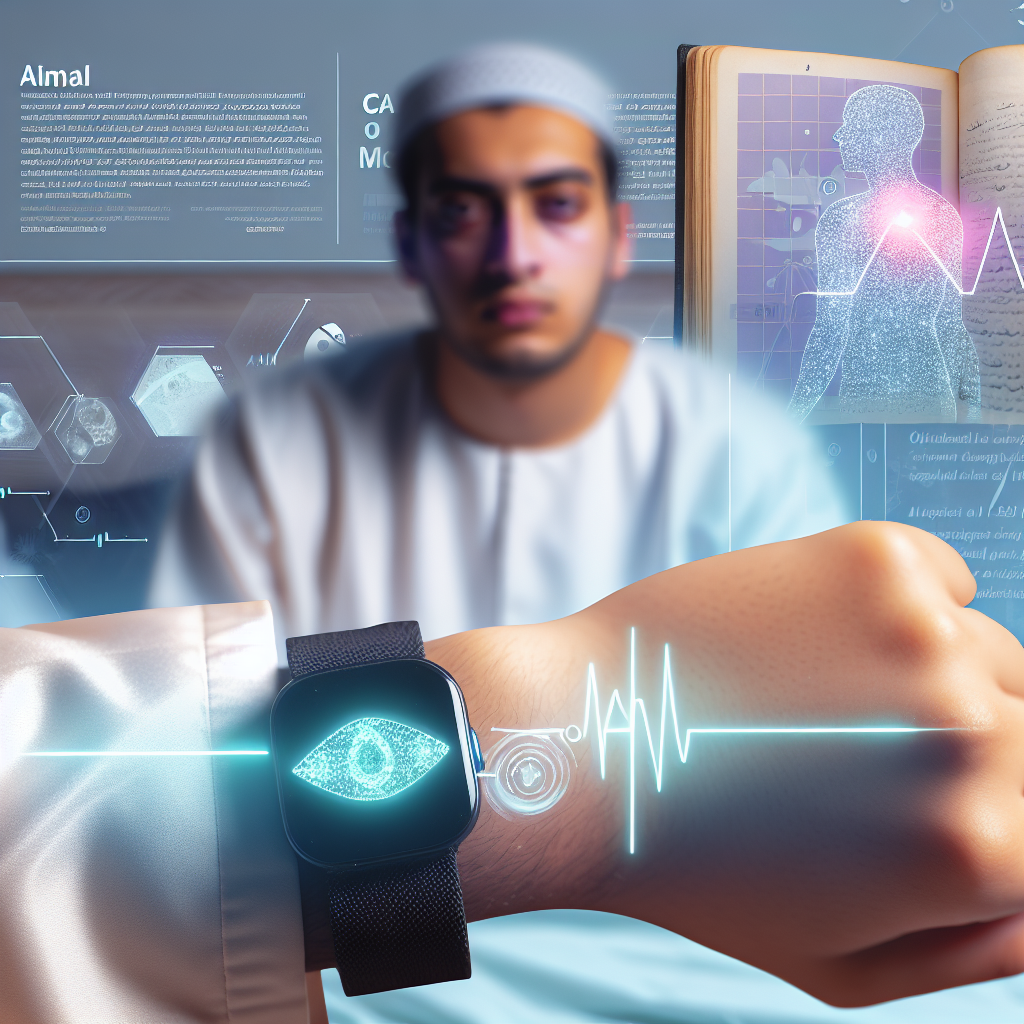
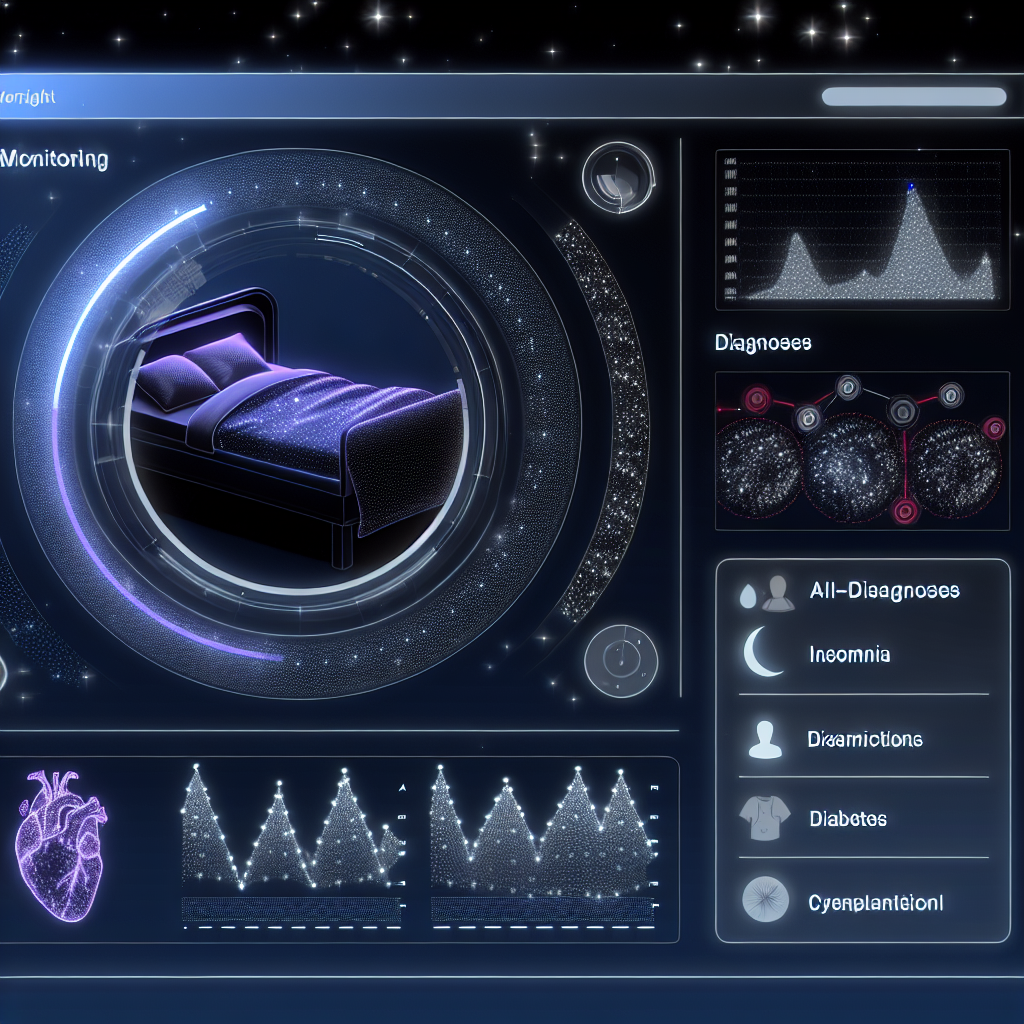
**Artificial Intelligence (AI)** is the transformative force behind this new frontier, offering unparalleled capabilities in **data analysis**, **pattern recognition**, and **predictive analytics**. The application of AI in sleep medicine is marked by its ability to analyze vast datasets rapidly—gleaned from **wearable technology**, **smart devices**, and home-based monitoring systems. These AI systems excel in diagnosing sleep disorders with accuracy comparable to traditional methods but with far easier implementation and increased patient convenience. Moreover, AI-driven diagnostics transcend geographical barriers, empowering healthcare providers to offer specialized sleep medicine insights in areas lacking access to advanced facilities.
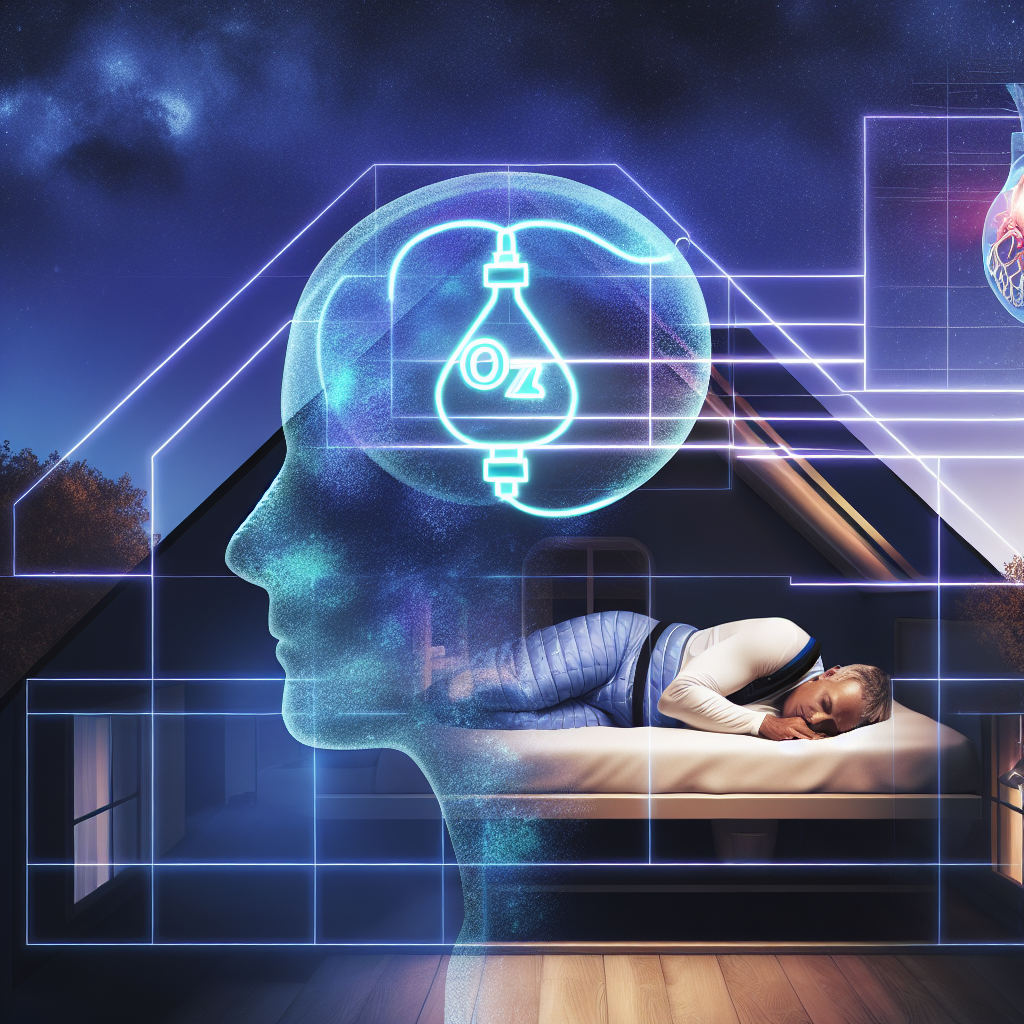
One significant advancement is the deployment of **AI** in **Continuous Positive Airway Pressure (CPAP) therapy optimization**. By analyzing patient adherence data and adjusting device settings in real-time, AI-enhanced systems improve patient outcomes, ensuring better management of sleep apnea. Additionally, **machine learning models** are being leveraged to forecast chronic disease risk, using sleep-related data as a predictor for early intervention.
The implications of these advancements are far-reaching. Sleep disorders are identified as both symptoms and predictors of numerous chronic diseases. Effective AI-driven sleep diagnostics thus pave the way for **preventive healthcare** by targeting interventions that mitigate risk factors for chronic diseases. From democratizing access to sleep healthcare resources to pioneering personalized treatment plans, AI in sleep medicine signifies a game-changer—marking a step toward a future where health management is proactive rather than reactive.
Features:
**AI-driven diagnostics** in **sleep medicine** have garnered attention through groundbreaking research and professional validation. A key study published in *[Nature and Science of Sleep](https://www.dovepress.com/nature-and-science-of-sleep-journal)* highlights how AI can accurately identify sleep stages and events, such as sleep apnea and hypopnea, using **EEG signals**. This research underscores AI’s potential in providing rapid diagnostics, reducing the time typically needed for a traditional **polysomnography** conducted in sleep clinics.
Another pivotal study from the *[Journal of Clinical Sleep Medicine](https://jcsm.aasm.org)* explored AI algorithms analyzing data from **wearable devices**. These algorithms effectively detected sleep disturbances and assessed sleep quality in participants, demonstrating that AI can amplify the insights derived from consumer-grade hardware, making clinical-grade assessment tools more accessible to the average user.
Moreover, a benchmark study by the **American Academy of Sleep Medicine** is pioneering the integration of **AI-assisted sleep disorder diagnosis** in primary care settings. By training **machine learning models** on extensive patient datasets, researchers could predict the likelihood of sleep disorders with impressive accuracy. Such efforts illustrate AI’s potency in enhancing diagnostic frameworks and enabling earlier interventions.
AI is also pivotal in tailoring sleep medicine applications to individual needs, as evidenced by advancements in **personalized medicine**. For instance, AI systems now analyze large-scale genetic, environmental, and behavioral data to customize sleep management plans, potentially leading to personalized therapeutic interventions that address the unique needs of individual patients.
In the realm of chronic disease prevention, a study from *[The Lancet Digital Health](https://thelancet.com/journals/landig)* highlighted AI’s role in predicting **hypertension** and **diabetes** onset using sleep apneas as a critical biomarker. By deciphering complex sleep data patterns, AI systems can help identify individuals at high risk for chronic diseases, allowing healthcare providers to implement early targeted interventions.
Conclusion:
The burgeon of **AI-driven diagnostics** marks a monumental shift in sleep medicine, heralding an era where precision, accessibility, and preventive care coalesce. As AI tools continue to evolve, they promise not only to enhance diagnostic accuracy but also to significantly broaden access to quality sleep healthcare. Integrating AI into sleep medicine presents an opportunity to address disparities in healthcare access by providing cost-effective, decentralized diagnostic solutions. Furthermore, leveraging AI’s predictive capabilities can pivot sleep medicine from a traditionally reactive field to a proactive domain—one that mitigates chronic disease risks before they manifest. Embracing these advancements will be paramount for healthcare providers aiming to curb the global burden of chronic diseases—stitching the pathways between improved sleep health and overall well-being. As frontline technologies advance, the dream of a healthier world, underpinned by preventive sleep medicine, draws closer to reality.
**References:**
– *Nature and Science of Sleep.* [AI in Sleep Medicine](https://www.dovepress.com/nature-and-science-of-sleep-journal)
– *Journal of Clinical Sleep Medicine.* [Wearable Devices in Sleep Diagnostics](https://jcsm.aasm.org)
– American Academy of Sleep Medicine. [AI in Primary Care](https://www.aasm.org)
– *The Lancet Digital Health.* [AI and Chronic Disease Prevention](https://thelancet.com/journals/landig)
**Concise Summary:**
The rise of **AI-driven diagnostics** is revolutionizing **sleep medicine**, offering new standards of precision, accessibility, and preventive care. By analyzing data from wearables and smart devices, AI provides accurate diagnoses of sleep disorders, optimizing treatments like **CPAP** and predicting chronic disease risks. Pioneering applications are expanding healthcare access and paving the way for personalized medicine, enabling proactive health management to curb chronic diseases. As AI technology advances, sleep medicine becomes a cornerstone for a healthier future, promising widespread improvements in public health and well-being.

Dominic E. is a passionate filmmaker navigating the exciting intersection of art and science. By day, he delves into the complexities of the human body as a full-time medical writer, meticulously translating intricate medical concepts into accessible and engaging narratives. By night, he explores the boundless realm of cinematic storytelling, crafting narratives that evoke emotion and challenge perspectives.
Film Student and Full-time Medical Writer for ContentVendor.com