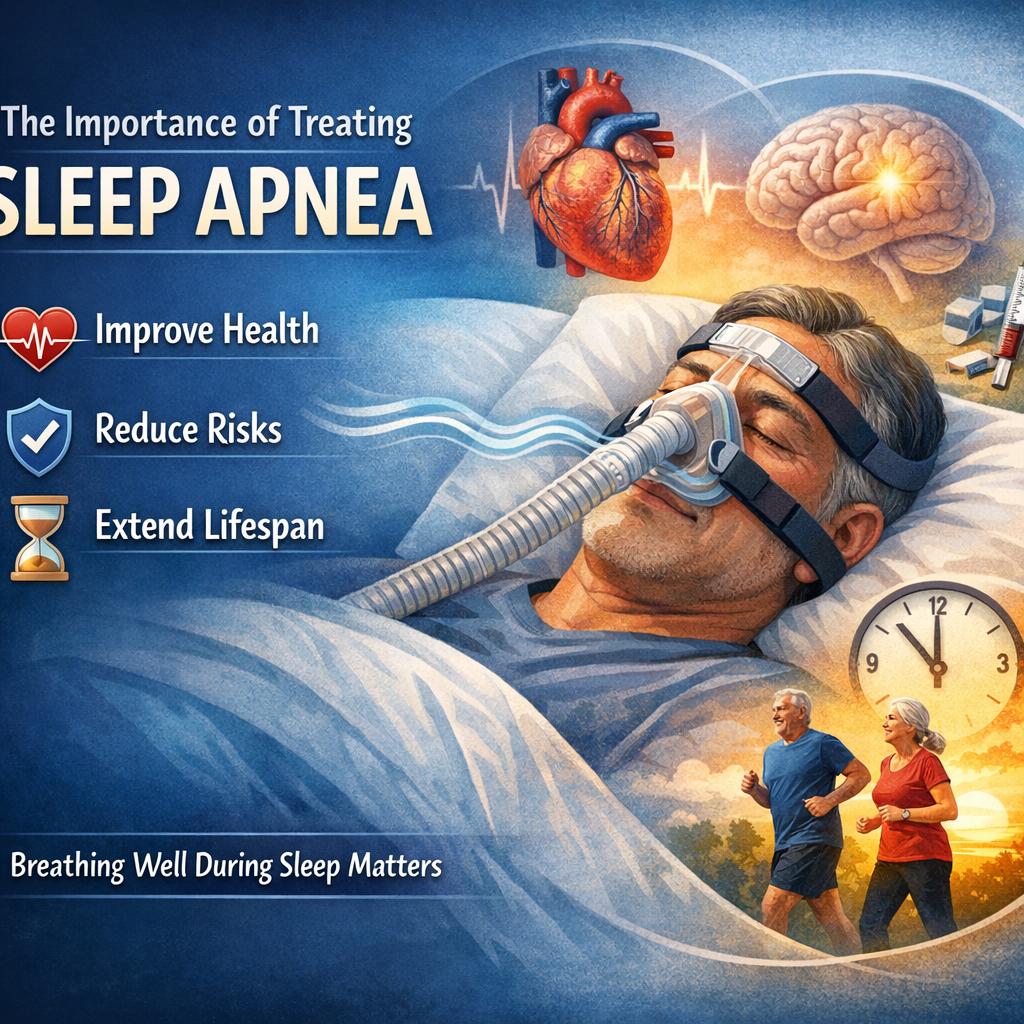
Why Ignoring Your Snoring Partner Could Be a Silent Relationship Killer: The Serious Health Risks of Sleep-Disordered Breathing
Introduction
**Snoring** is often dismissed as a mere nighttime annoyance, but for millions of couples worldwide, it can become a significant issue beyond just a bedroom disturbance. When one partner’s **snoring** resonates loudly, it’s not just **sleep** that’s disrupted; it can unravel the very fabric of a relationship. **Sleep-disordered breathing**, including conditions like **obstructive sleep apnea (OSA)**, poses serious **health risks** both emotionally and physically.
For the **snorer**, it might indicate underlying **health complications** that, if untreated, could lead to serious medical conditions. For the partner, constant broken **sleep** can lead to **sleep deprivation** symptoms like irritability, trouble focusing, impaired judgment, and resentment. According to the **American Academy of Sleep Medicine**, nearly half of those with **sleep-disordered breathing** are unaware of their condition. This ignorance can lead to misunderstandings and frustrations, turning a **snoring** issue into an emotional and health crisis.
Moreover, the non-snoring partner who faces **disrupted sleep** may move to different quarters, disrupting intimacy and potentially alienating partners. This separation can create emotional and physical distances, threatening the core of a partnership—communication and connection.
The **American Sleep Association** reveals that 12 to 18 million U.S. adults suffer from **sleep apnea**, linked to increased risks of cardiovascular diseases, metabolic disorders, and depressive symptoms. This paints a vivid picture of why addressing a **snoring** problem is crucial for maintaining both a healthy relationship and overall well-being.
Features
Scientific studies have highlighted the urgent need to treat **sleep-disordered breathing** as a major health concern. A 2013 study in “Sleep” found that individuals with untreated **sleep apnea** have a 30% higher risk of **heart attack** or death compared to those without the condition. This underscores why ignoring a **snoring** partner can be perilous.
A 2014 study in “Chest” journal by Dr. Mehmet Unlu linked untreated **snoring** and **sleep apnea** with hypertension, atrial fibrillation, and stroke. Findings suggest that these disruptive sleep patterns cause sleep fragmentation, triggering stress responses that can lead to severe health outcomes.
Additionally, a 2015 study in “The Journal of Clinical Sleep Medicine” reports that snoring can indicate a heightened level of inflammation in the arteries, increasing the risk for atherosclerosis. These findings stress the need for sufferers and their partners to take **snoring** seriously, recognizing it as a potential red flag for larger health issues.
Research on the social dynamics of **sleep-disordered breathing** shows a decline in relationship satisfaction due to ongoing sleep disturbances. The **National Sleep Foundation** found that up to 25% of married couples sleep separately due to persistent **snoring**, leading to decreased physical intimacy and marital quality over time.
Conclusion
Ignoring a snoring partner harms not just the quality of sleep but the relationship’s foundations. Couples should address the issue head-on, prioritizing personal health and mutual understanding through open communication. Suggesting medical advice for the snorer can unveil health insights for their well-being and the partnership’s longevity.
Professional help, through sleep clinics or consultations, can lead to effective treatment plans such as CPAP machines, lifestyle changes, or surgical interventions. Addressing snoring is about fostering a healthier relationship. With mutual effort and medical intervention, snoring can become a bridge, not a barrier, to a peaceful and united life together.
*References:*
– [American Academy of Sleep Medicine](https://aasm.org/)
– [Journal of Clinical Sleep Medicine](https://jcsm.aasm.org/)
– [National Sleep Foundation](https://www.sleepfoundation.org/)
– [Chest Journal](http://journal.chestnet.org/)
**Concise Summary:**
Ignoring **snoring** can strain a relationship and indicate serious health risks like **sleep apnea**. With potential links to cardiovascular issues and emotional stress, untreated **snoring** can disrupt intimacy, communication, and physical health. Addressing it through medical help and open communication is crucial for personal and relational well-being.

Dominic E. is a passionate filmmaker navigating the exciting intersection of art and science. By day, he delves into the complexities of the human body as a full-time medical writer, meticulously translating intricate medical concepts into accessible and engaging narratives. By night, he explores the boundless realm of cinematic storytelling, crafting narratives that evoke emotion and challenge perspectives.
Film Student and Full-time Medical Writer for ContentVendor.com