From Sleep Disruption to Disease Prevention: How Clinical Sleep Medicine is Shaping the Future of Healthspan
Introduction
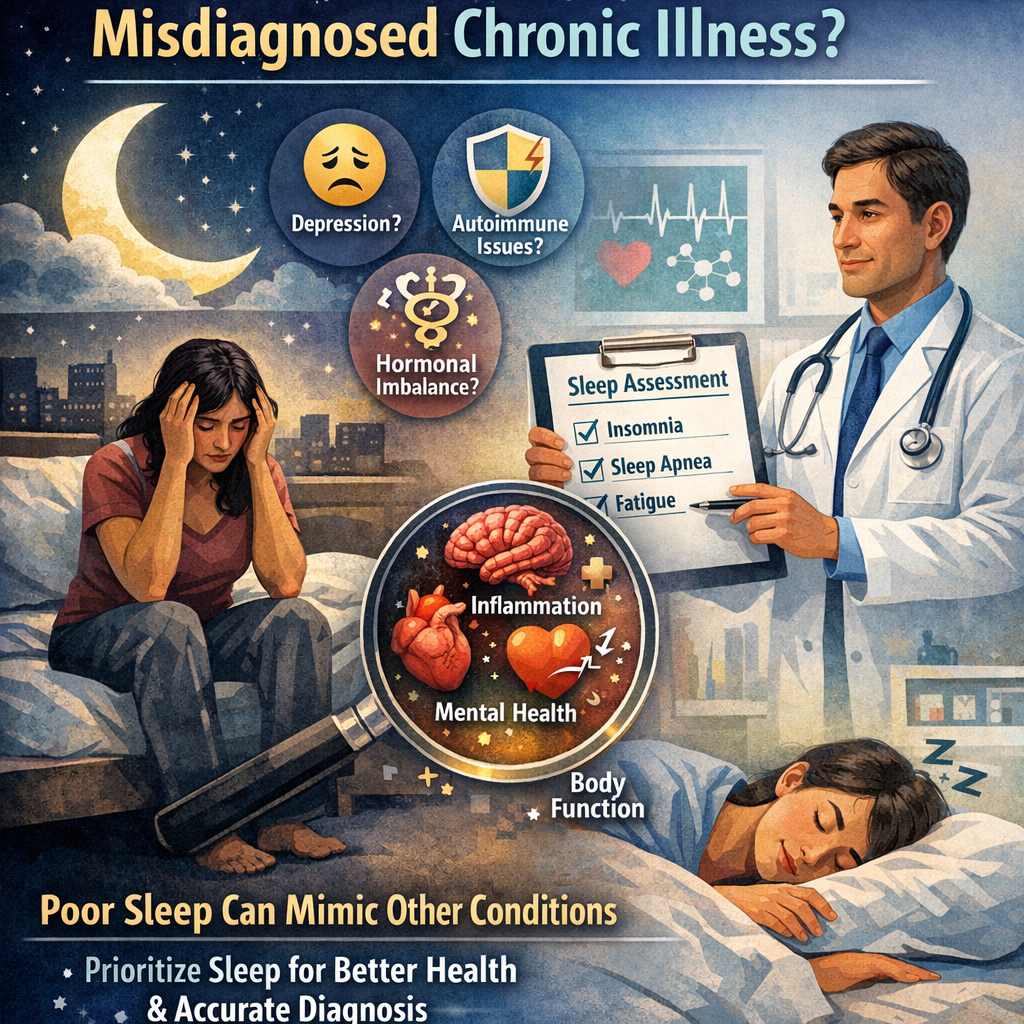
Sleep is often perceived as a luxury rather than a necessity, a time that can be borrowed against to accommodate our increasingly busy lives. However, this mindset underscores a critical misunderstanding about the pivotal role **sleep** plays in our overall **health** and **well-being**. In the intricate tapestry of human health, sleep serves as a vital thread that, when disrupted, can unravel the entire system. The emerging field of **clinical sleep medicine** has placed sleep at the forefront of **preventive care**, understanding that while short-term sleep disturbances can affect daily function, long-term disruptions may contribute to the development of **chronic diseases**.
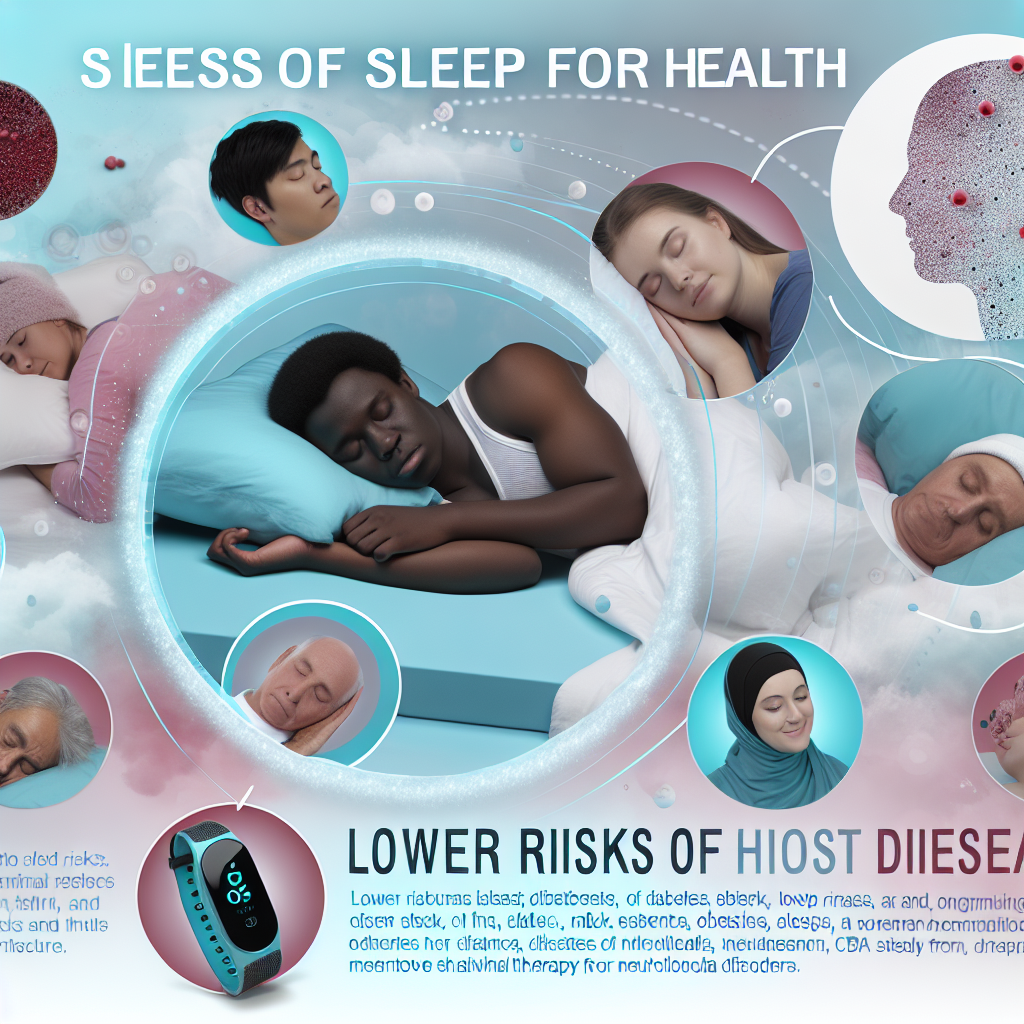
The significance of sleep is reflected in its foundational contribution to the concept of “**healthspan**,” an approach centered not merely on prolonging life but enhancing the quality of the years lived. By improving **sleep health**, clinical sleep medicine seeks to extend healthspan, attenuating the progression of diseases often associated with aging and lifestyle. The complex relationship between sleep and **systemic health** has prompted considerable research into how improving sleep can reduce the risk of conditions such as **cardiovascular diseases**, **diabetes**, **obesity**, and **neurodegenerative disorders**.
With advancements in sleep technology and research, the future of clinical sleep medicine looks promising. From **wearable sleep trackers** to **cognitive-behavioral therapy for insomnia (CBT-I)**, the tools available for enhancing sleep quality are becoming both more sophisticated and more accessible. By illuminating the pathways through which sleep contributes to disease prevention, clinical sleep medicine is positioned as a cornerstone of future health strategies. This blog explores how this evolving discipline is shaping the healthspan of individuals across all age groups, presenting a new paradigm for health maintenance and disease prevention: **sleep as medicine**.
Features
Researchers across the globe have undertaken numerous studies to elucidate the impact of sleep on **healthspan** and the potential for **disease prevention**. A landmark study conducted by the **American Academy of Sleep Medicine** demonstrated a strong association between **sleep disorders** and increased risk factors for **cardiovascular diseases**. The research highlighted how conditions such as **sleep apnea**, a disorder characterized by interrupted breathing during sleep, can lead to **hypertension**, **arrhythmias**, and even **heart failure** if left untreated. [Link to study](https://aasm.org/resources/statistics/).
Furthermore, another significant study published in the journal “**The Lancet**” correlated insufficient sleep duration with **metabolic dysregulation**, providing evidence that lack of adequate sleep is linked to **insulin resistance**, increased appetite, and subsequent **weight gain**. This is crucial because these factors are directly connected to the surge in **type 2 diabetes** and **obesity** prevalence worldwide. The findings underscore the importance of integrating **sleep assessment** and **improvement strategies** into public health interventions aimed at curbing these metabolic disorders [Link to study](https://thelancet.com/journals/lancet/article).
The role of sleep in **neuroprotection** has also gained attention, particularly in light of findings from the **Alzheimer’s Association International Conference** that examine the impact of sleep on **cognitive longevity**. Their studies suggest that consistent, quality sleep in midlife could have protective **neurocognitive effects**, potentially delaying or preventing the onset of **neurodegenerative diseases** such as Alzheimer’s [Link to study](https://alz.org/aaic/).
In addition to traditional medical approaches, the expansion of **digital health technology** is making waves in sleep medicine practice. The use of **wearable devices** that track sleep patterns and provide personalized feedback is revolutionizing how individuals understand and improve their **sleep hygiene**. Furthermore, interventions such as **CBT-I**, a structured program scientifically proven to treat **insomnia**, further exemplify the effective clinical tools being developed to combat sleep-related health issues. [Link to evidence on CBT-I](https://pubmed.ncbi.nlm.nih.gov/).
Conclusion
As the understanding of the science of sleep deepens, its importance in shaping healthspan and preventing disease grows ever clearer. Clinical sleep medicine is not simply a niche within the healthcare framework; it is becoming a critical component of **preventive medicine strategies** aimed at optimizing wellness. By investing in **sleep health**, individuals may not only enhance their quality of life but potentially stave off numerous **chronic conditions**.
Modern medicine, augmented by technological advancements, is poised to change the landscape of sleep health. By promoting awareness and implementing **evidence-based practices**, healthcare professionals can encourage better sleep habits that contribute to healthier, more resilient populations. Sleep is no longer just a nightly routine; it is an integral part of the equation to a longer, healthier life. To move forward, we must embrace the full spectrum of sleep’s potential, recognizing it not as a hindrance to productivity, but as a cornerstone of life-affirming **healthspan enhancement**.
#### Concise Summary
Clinical sleep medicine is a burgeoning field positioning sleep as a vital component of preventive healthcare, aiming to enhance healthspan by addressing and improving sleep health. By mitigating sleep disturbances and employing advanced technologies and therapies, this discipline seeks to reduce risks associated with chronic diseases like cardiovascular disorders, diabetes, and neurodegenerative diseases. Through a scientific understanding of sleep’s impact on systemic health, clinical sleep medicine promotes sleep as an essential element of a healthier and longer life. This evolving approach underscores sleep not as a luxury, but as fundamental medicine essential for sustaining well-being and longevity.

Dominic E. is a passionate filmmaker navigating the exciting intersection of art and science. By day, he delves into the complexities of the human body as a full-time medical writer, meticulously translating intricate medical concepts into accessible and engaging narratives. By night, he explores the boundless realm of cinematic storytelling, crafting narratives that evoke emotion and challenge perspectives.
Film Student and Full-time Medical Writer for ContentVendor.com