Revolutionizing Sleep Medicine: The Untapped Potential of AI-Driven Cluster Analysis in Diagnosing Undiagnosed Sleep Apnea
In the realm of sleep medicine, one of the most pervasive yet underdiagnosed conditions is **sleep apnea**. Characterized by repeated interruptions in breathing during sleep, this disorder affects millions globally, undermining both health and daily functionality. Despite its prevalence, a significant number of cases remain undiagnosed, often due to the covert nature of its symptoms and the limitations of current diagnostic methodologies. Enter **artificial intelligence (AI)** and **cluster analysis** – two game-changing technologies poised to revolutionize the identification and management of sleep apnea.
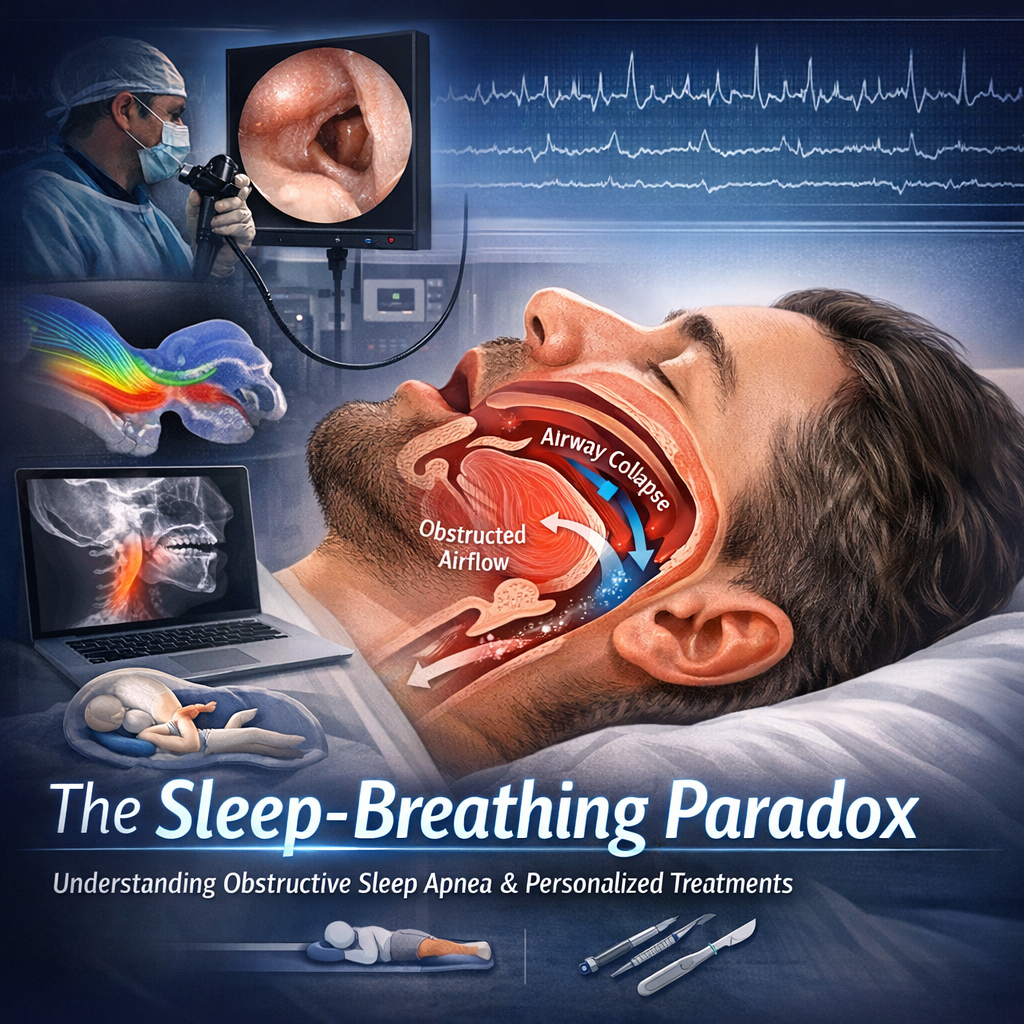
Sleep apnea’s insidious nature stems from its subtle presentation; symptoms like loud **snoring**, daytime fatigue, and restless sleep are easily overlooked or misattributed to other factors. Traditionally, its diagnosis relies heavily on in-lab **polysomnography**, a comprehensive yet cumbersome and costly procedure requiring an overnight stay in a sleep facility. Due to these constraints, only a fraction of those suffering receive timely and accurate diagnoses, leaving a vast patient population untreated and at risk for **cardiovascular issues**, **cognitive deficits**, and reduced quality of life.
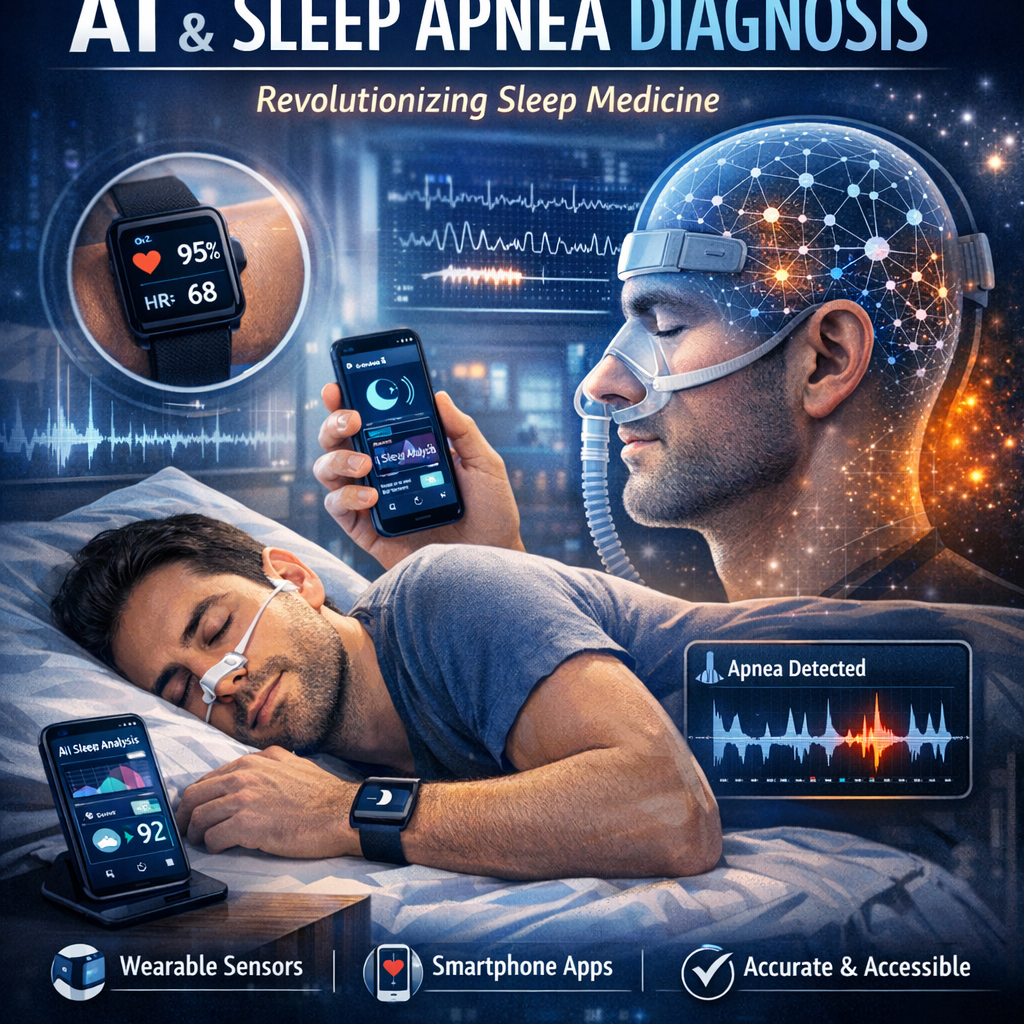
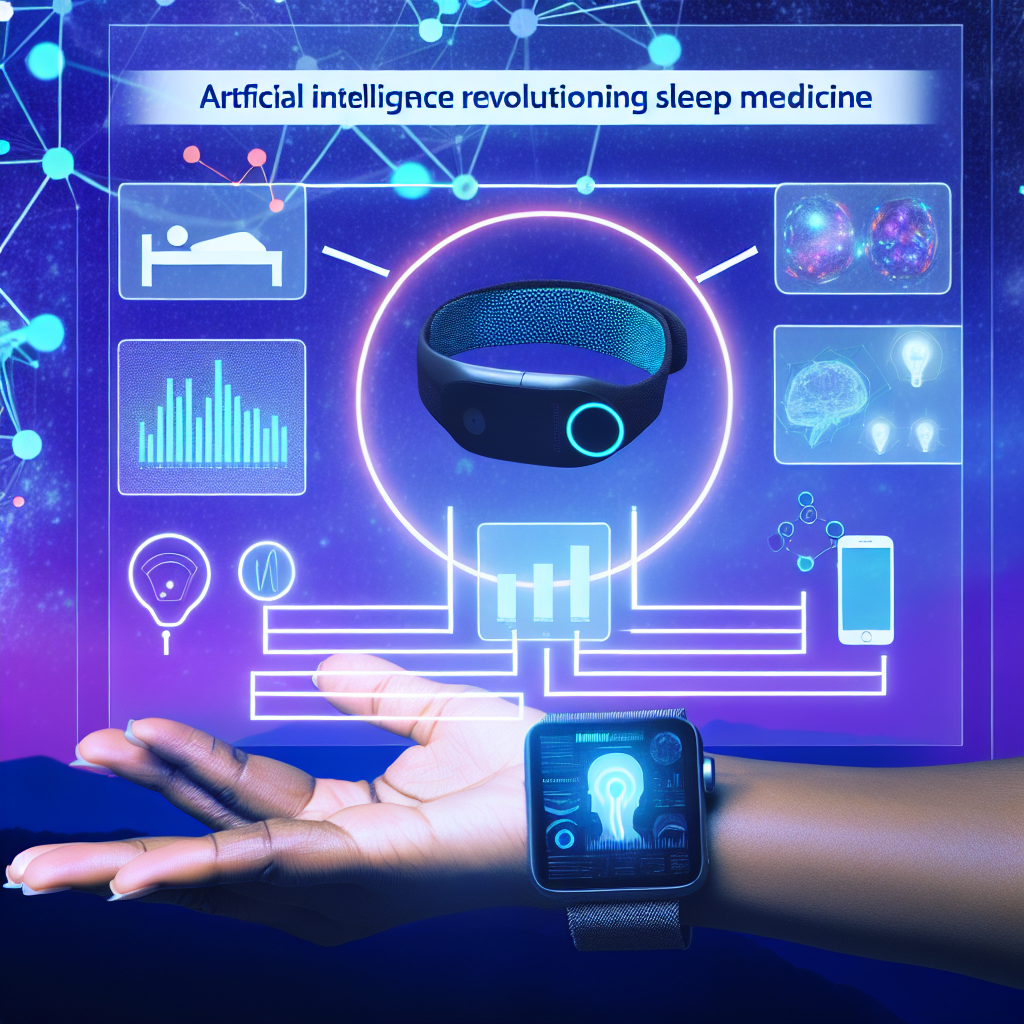
**Artificial intelligence** offers a promising solution to these challenges. One of AI’s remarkable capabilities is **cluster analysis** – a form of unsupervised machine learning that can detect patterns and group data in previously unimaginable ways. When applied to sleep medicine, AI-driven cluster analysis can sift through large volumes of data from various sources, such as wearable devices or health records, to identify sleep apnea at its nascent stages. This approach not only enhances diagnostic accuracy but also paves the way for personalized treatment strategies tailored to individual patient needs.
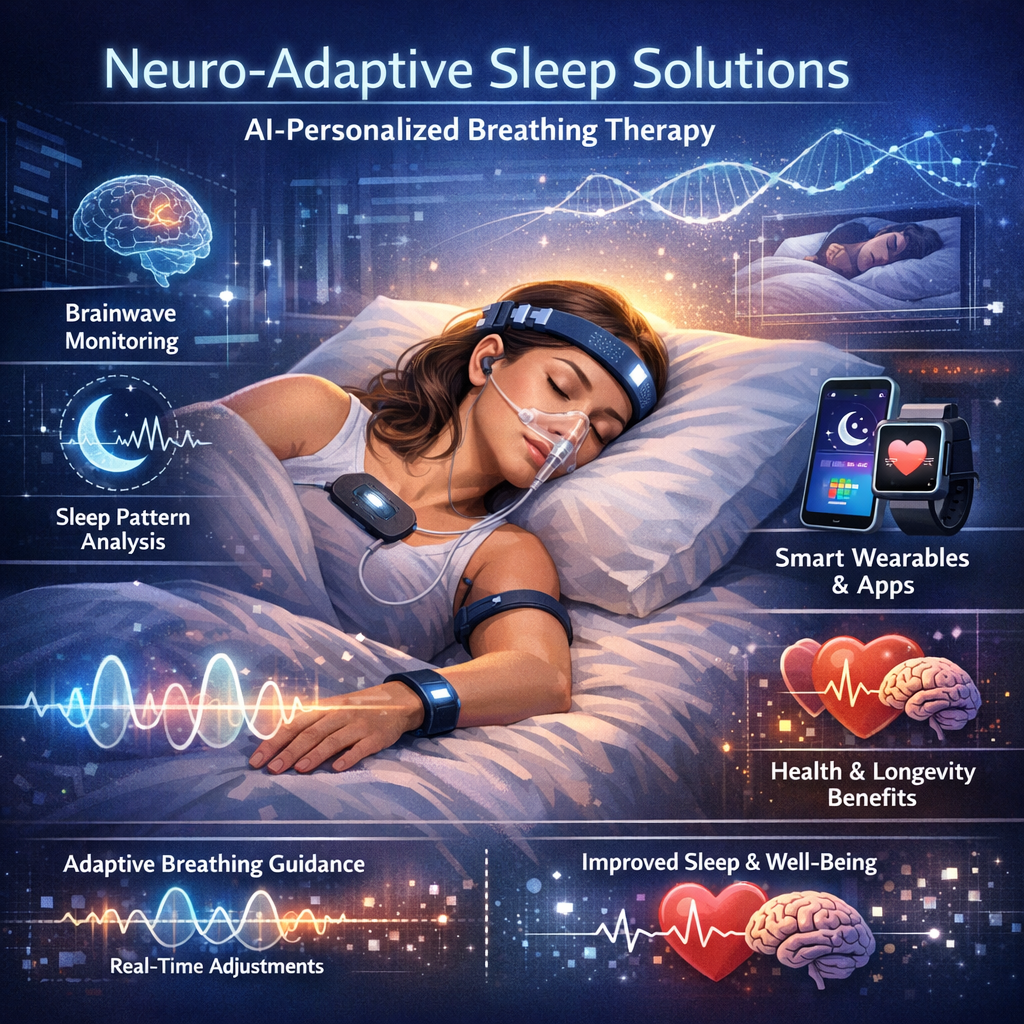
Recent advancements in **wearable technology** and the proliferation of **health-tracking devices** have further augmented AI’s role in sleep health. Devices like smartwatches and fitness trackers now come equipped with sophisticated sensors capable of monitoring physiological parameters relevant to sleep apnea, such as **blood oxygen levels**, **heart rate variability**, and breathing patterns. By integrating these data points into AI algorithms, clinicians can detect anomalies indicative of sleep apnea, even in asymptomatic individuals or those with atypical presentations.
Features: AI and Cluster Analysis in Diagnosing Sleep Apnea
In recent years, the marriage of AI and sleep medicine has been a focal point for numerous studies. Research demonstrates that AI algorithms, when combined with cluster analysis, can successfully identify **subgroups** within sleep apnea patients, revealing nuances that traditional diagnostic approaches might overlook.
A notable study published in the Journal of Clinical Sleep Medicine explored the application of machine learning algorithms in predicting sleep apnea severity. Researchers utilized data from wearable devices, analyzing parameters such as heart rate and blood oxygen saturation. The study concluded that AI-driven cluster analysis significantly improved the detection of sleep apnea, reducing false negatives and enhancing the sensitivity of initial screenings.
Another pioneering study in the Sleep Health Journal utilized AI-powered cluster analysis to re-evaluate data from traditional polysomnographic studies. The researchers found that certain physiological profiles correlated with different sleep apnea phenotypes, supporting the idea that customized treatment strategies can be developed for these distinct groups. This study underscored the potential of AI not just in diagnosis but also in optimizing patient outcomes through tailored interventions.
Moreover, AI’s role is not limited to diagnostics alone. It extends to treatment optimization and predictive analytics. For example, a study in Nature and Science of Sleep examined how AI algorithms could predict treatment responses for CPAP therapy in sleep apnea patients. By clustering similar patient profiles, the AI system offered predictions on treatment adherence and effectiveness, enabling healthcare providers to modify therapeutic approaches proactively.
Conclusion
As the integration of AI in healthcare continues to evolve, its impact on sleep medicine, particularly in the management of sleep apnea, is becoming increasingly profound. **AI-driven cluster analysis** stands at the forefront of this transformation, offering promising solutions to the longstanding challenge of underdiagnosis in sleep apnea. By harnessing the power of advanced data analysis, clinicians can not only improve diagnostic accuracy but also craft personalized treatment plans that cater to the unique needs of individual patients. This paradigm shift holds the potential to significantly enhance patient outcomes, reduce healthcare costs, and ultimately improve the quality of life for those affected by this prevalent sleep disorder.
Through collaboration with technology developers, healthcare providers, and researchers, the field of sleep medicine can continue to innovate, leveraging AI to unlock new frontiers in our understanding and management of sleep apnea. As we stand on the brink of a new era in sleep health, the promise of AI-driven cluster analysis offers a beacon of hope for millions worldwide, underscoring the vital role technology plays in advancing **medical science** and patient care.
**Concise Summary**
The integration of AI and cluster analysis in sleep medicine offers transformative potential for diagnosing and managing sleep apnea. By analyzing large datasets from wearable tech and health records, AI enhances diagnostic accuracy and personalizes treatment, addressing the longstanding challenge of underdiagnosis. Research confirms AI’s effectiveness in identifying sleep apnea severity, predicting treatments, and optimizing patient outcomes. As healthcare embraces AI, its role in advancing sleep health becomes crucial, promising improved outcomes and quality of life for millions affected by this widespread disorder.

Dominic E. is a passionate filmmaker navigating the exciting intersection of art and science. By day, he delves into the complexities of the human body as a full-time medical writer, meticulously translating intricate medical concepts into accessible and engaging narratives. By night, he explores the boundless realm of cinematic storytelling, crafting narratives that evoke emotion and challenge perspectives.
Film Student and Full-time Medical Writer for ContentVendor.com