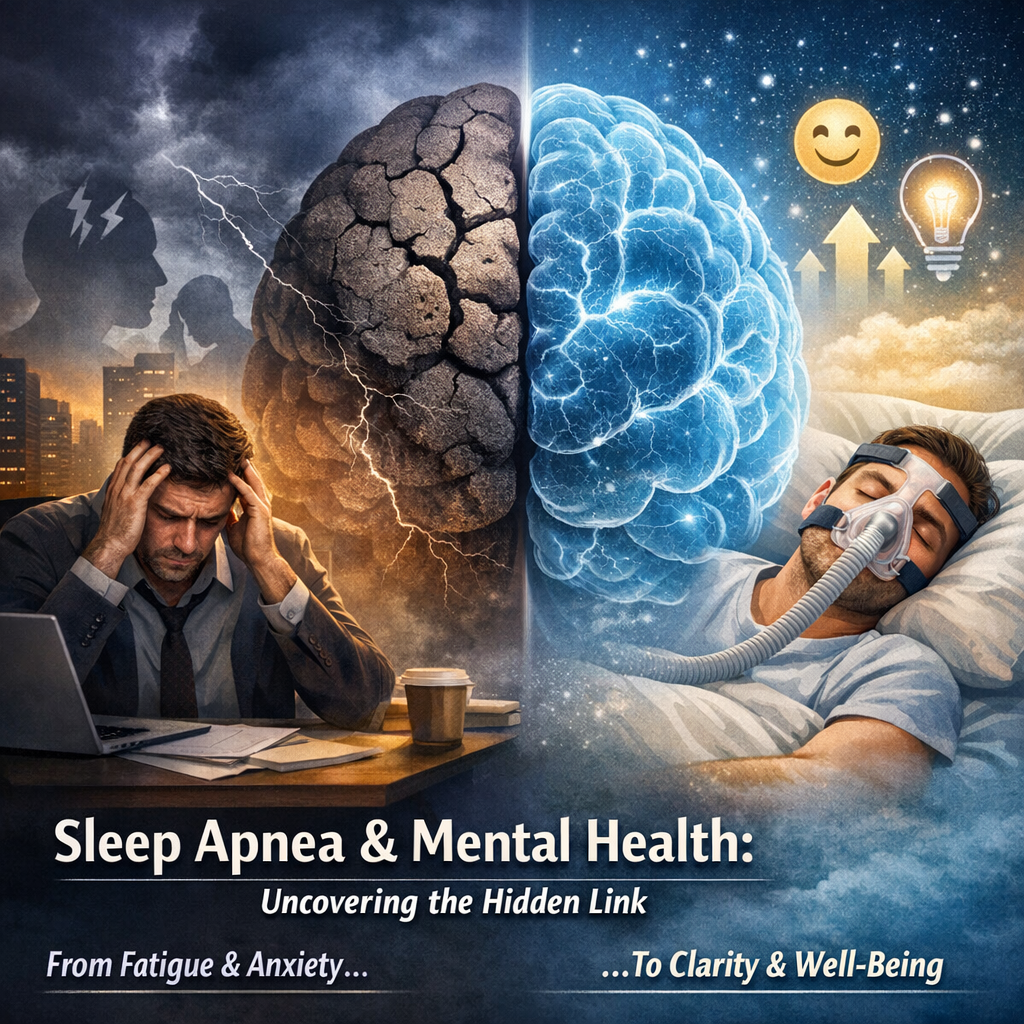
Unlocking the Brain-Heart Connection: How Sleep Apnea Treatment Can Revolutionize Cardiovascular Health in 2024
In recent years, the intricate connection between **sleep** and **cardiovascular health** has garnered increased attention in the medical community. At the forefront of this investigation is **sleep apnea**—a **sleep disorder** characterized by pauses in breathing or shallow breaths during sleep. This seemingly innocuous ailment has profound implications for cardiovascular health, leading researchers and medical professionals to explore **innovative treatment approaches** that could revolutionize heart health in 2024 and beyond.
**Sleep apnea** affects millions of individuals worldwide, and its prevalence is rising, partly due to increasing **obesity rates**. The disorder is often characterized by repeated interruptions in breathing during sleep, resulting in fragmented sleep and reduced oxygen levels in the blood. These episodes trigger a cascade of physiological responses, putting undue stress on the cardiovascular system. The disruptions can lead to increased blood pressure, **inflammation**, and other factors that contribute to **heart disease**. Sleep apnea’s impact on heart health is profound—those suffering from the disorder are at a significantly higher risk of **hypertension**, heart attacks, stroke, and other cardiovascular conditions.
The link between sleep apnea and cardiovascular health lies in the intricate dance between the brain and the heart. When breathing interruptions occur, the brain sends distress signals to the cardiovascular system, prompting a “fight or flight” response that raises heart rate and blood pressure. Over time, this chronic stress further exacerbates cardiovascular risks. Consequently, addressing sleep apnea is crucial for maintaining overall cardiovascular health.
As we push the boundaries of medical science, 2024 promises to be a pivotal year for advancing sleep apnea treatment. With the advent of cutting-edge technologies and an emphasis on personalized medicine, healthcare providers are better equipped to identify sleep apnea in its early stages and tailor treatment plans to individual needs. Innovative therapies, such as Continuous Positive Airway Pressure (**CPAP**) devices, oral appliances, and surgical interventions, are gaining momentum. Moreover, emerging treatments, leveraging **artificial intelligence**, **wearable technology**, and **telemedicine**, are paving the way for more effective and accessible sleep apnea management.
The implications of these advancements extend beyond sleep health. By effectively treating sleep apnea, medical professionals can mitigate the associated cardiovascular risks, significantly improving patient outcomes. As research continues to uncover the intricacies of the brain-heart connection, the potential for sleep apnea treatment to revolutionize cardiovascular health is both promising and profound.
Features:
Recent studies have elucidated the profound impact of sleep apnea on cardiovascular health, reinforcing the necessity for effective treatment interventions. A landmark study published in 2023 in the *Journal of the American Medical Association* shed light on the mechanisms linking sleep apnea to heart disease. Researchers found that untreated sleep apnea was associated with a significantly higher incidence of cardiovascular events, including heart attacks and strokes. The study’s findings underscore the urgent need for widespread diagnosis and treatment of sleep apnea to mitigate these risks [JAMA](https://jamanetwork.com).
Furthermore, a study conducted by the American Heart Association in conjunction with the National Sleep Foundation highlighted the role of sleep apnea in exacerbating hypertension, a leading risk factor for cardiovascular disease. The researchers discovered that individuals with untreated sleep apnea had a threefold increase in the likelihood of developing hypertension compared to those without the disorder. This alarming statistic underscores the potential for sleep apnea treatment to serve as a critical component in managing hypertension and lowering cardiovascular disease risk [American Heart Association](https://www.heart.org).
In a groundbreaking clinical trial, scientists employed cutting-edge technology to personalize sleep apnea treatments, resulting in significant improvements in cardiovascular outcomes. By utilizing artificial intelligence algorithms, the researchers tailored CPAP therapy to match the unique breathing patterns of individual patients. This personalized approach not only improved adherence to therapy but also led to substantial reductions in blood pressure and cardiovascular events. The success of this trial illustrates the potential for innovative, personalized treatments to revolutionize sleep apnea management and, consequently, cardiovascular health [Sleep Foundation](https://www.sleepfoundation.org).
Overall, medical studies consistently reinforce the link between sleep apnea and cardiovascular health, highlighting the urgent need for effective treatment strategies. As research and technology continue to evolve, innovative approaches to diagnosing and managing sleep apnea promise to unlock new possibilities for enhancing heart health in 2024 and beyond.
Conclusion:
In conclusion, the intricate relationship between sleep apnea and cardiovascular health underscores the critical importance of addressing this sleep disorder as part of a comprehensive approach to heart health. As we enter 2024, advancements in medical research and technology provide an unprecedented opportunity to revolutionize sleep apnea treatment and, by extension, improve cardiovascular outcomes. By harnessing the potential of cutting-edge therapies, personalized medicine, and digital health solutions, healthcare professionals are poised to enhance the quality of life for millions affected by sleep apnea.
The journey towards unlocking the brain-heart connection through sleep apnea treatment requires a collaborative effort from healthcare providers, researchers, and patients alike. Embracing innovative approaches to sleep health and cardiovascular wellness is imperative to ensure a heart-healthy future for generations to come. As we continue to unravel the complexities of sleep and its impact on the body, the potential for transformative change in the realm of cardiovascular health becomes increasingly attainable, promising a brighter and healthier tomorrow.
**References:**
– [JAMA](https://jamanetwork.com)
– [American Heart Association](https://www.heart.org)
– [Sleep Foundation](https://www.sleepfoundation.org)
Concise Summary:
In 2024, tackling **sleep apnea** may revolutionize cardiovascular health. The disorder affects millions globally, increasing due to obesity, and raises risks of hypertension and other cardiovascular conditions. Advancements in **cutting-edge technologies** and **personalized treatments** like **CPAP** and **AI-driven** solutions aim to mitigate these risks. Recent studies, including one by **JAMA**, link untreated sleep apnea to higher cardiovascular incidents, emphasizing the potential of innovative therapies to significantly improve patient outcomes and highlight the strengthening of the brain-heart connection.

Dominic E. is a passionate filmmaker navigating the exciting intersection of art and science. By day, he delves into the complexities of the human body as a full-time medical writer, meticulously translating intricate medical concepts into accessible and engaging narratives. By night, he explores the boundless realm of cinematic storytelling, crafting narratives that evoke emotion and challenge perspectives.
Film Student and Full-time Medical Writer for ContentVendor.com