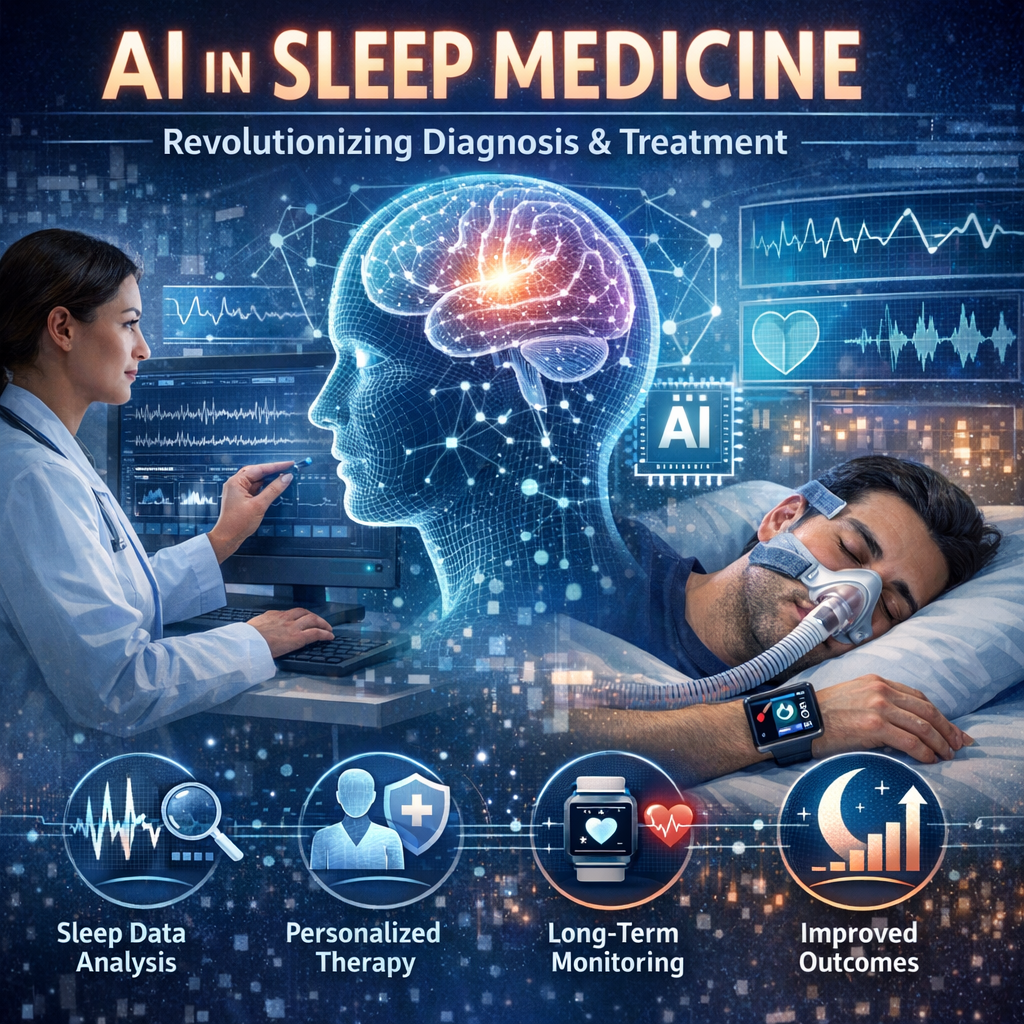
Navigating the AI Revolution in Sleep Medicine: How Machine Learning is Reshaping Diagnosis and Treatment
Introduction
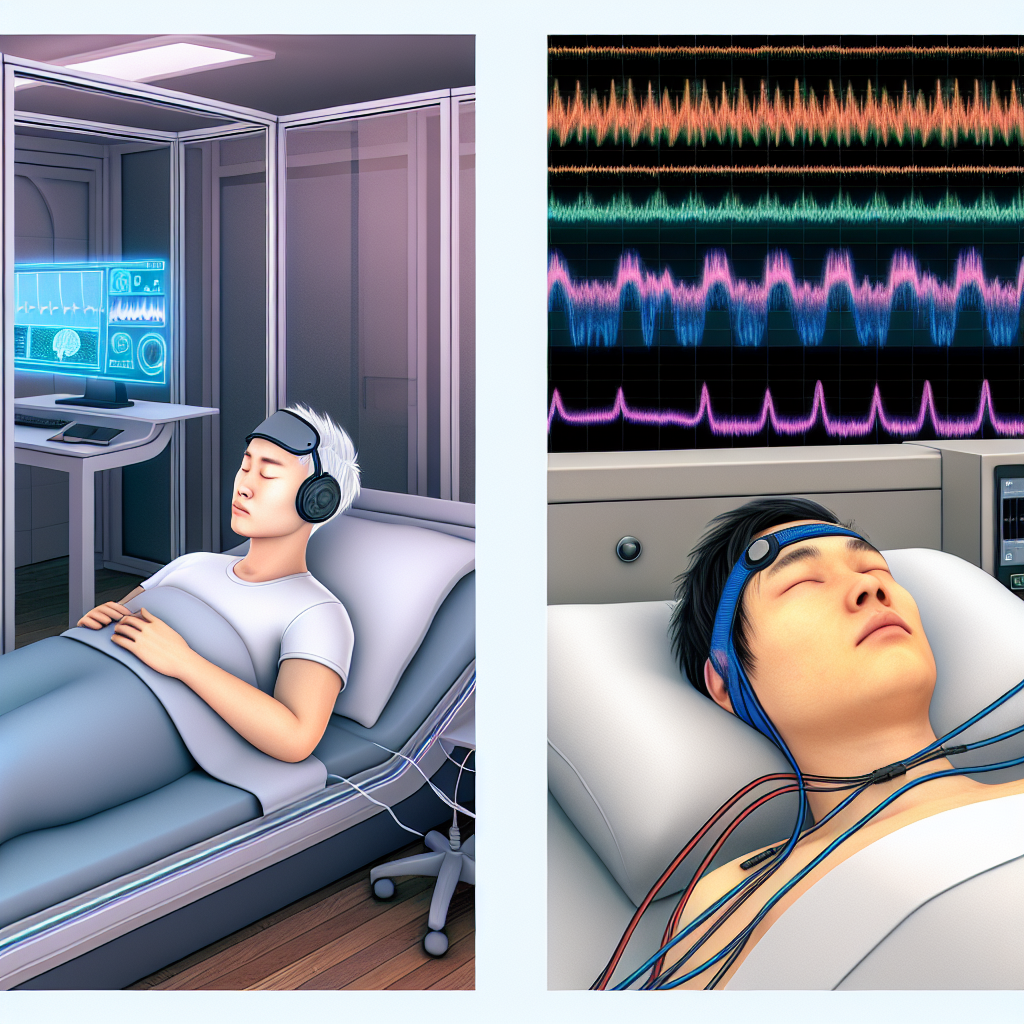
In the modern landscape of **healthcare**, **artificial intelligence** (**AI**) stands at the forefront of revolutionary changes, rapidly transforming the way we diagnose and treat a wide array of medical conditions. Among these, **sleep medicine** is uniquely positioned to benefit from these innovations, given the complex, data-driven nature of **sleep studies** and the diagnostic challenges they often present. Globally, **sleep disorders** affect millions, with conditions ranging from **insomnia** and **sleep apnea** to **narcolepsy** and **restless leg syndrome**, each demanding precise diagnosis and personalized treatment strategies. Traditional diagnosis often involves a combination of patient-reported symptoms and **polysomnography**, a method that, while effective, is both time-consuming and labor-intensive.
**Machine learning**, a subset of AI, brings new possibilities to sleep medicine, offering tools that process vast amounts of data with unprecedented speed and accuracy. These tools are designed to identify patterns and anomalies in patient data that may not be immediately apparent to human practitioners. By integrating vast databases of sleep patterns with insights drawn from **electronic health records** (**EHRs**), machine learning algorithms can now assist in diagnosing conditions more rapidly and with possibly greater precision than human clinicians alone.
The implications of these technological advancements are profound. For patients, AI has the potential to mean quicker diagnosis, more targeted treatment options, and ultimately, better health outcomes. For practitioners, machine learning can serve as a powerful adjunct, enabling more nuanced understanding and management of sleep disorders. Furthermore, AI’s ability to continuously learn from new data means that its diagnostic capabilities will only improve over time. Amidst these developments, this article explores the transformative impact of AI on sleep medicine, delving into how machine learning is redefining the boundaries of diagnosis and treatment in this vital area of healthcare.
Features
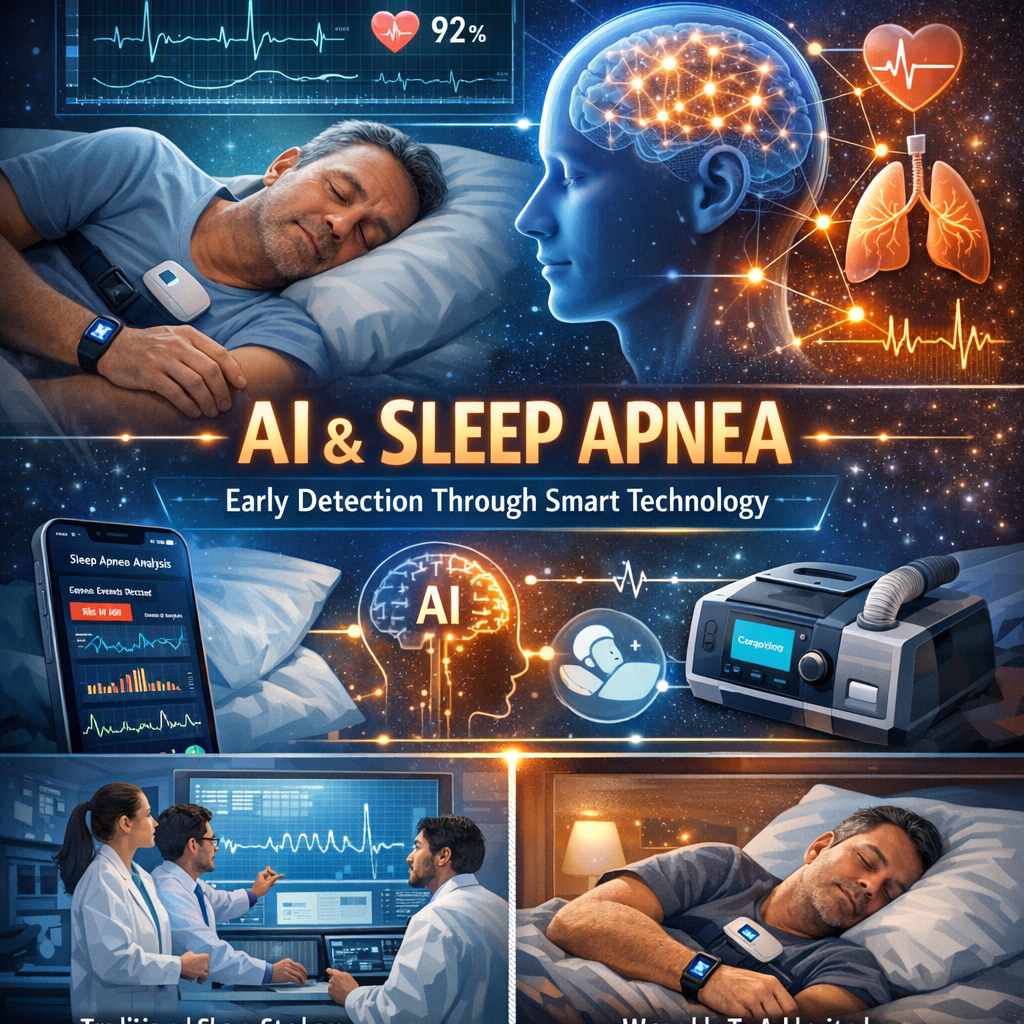
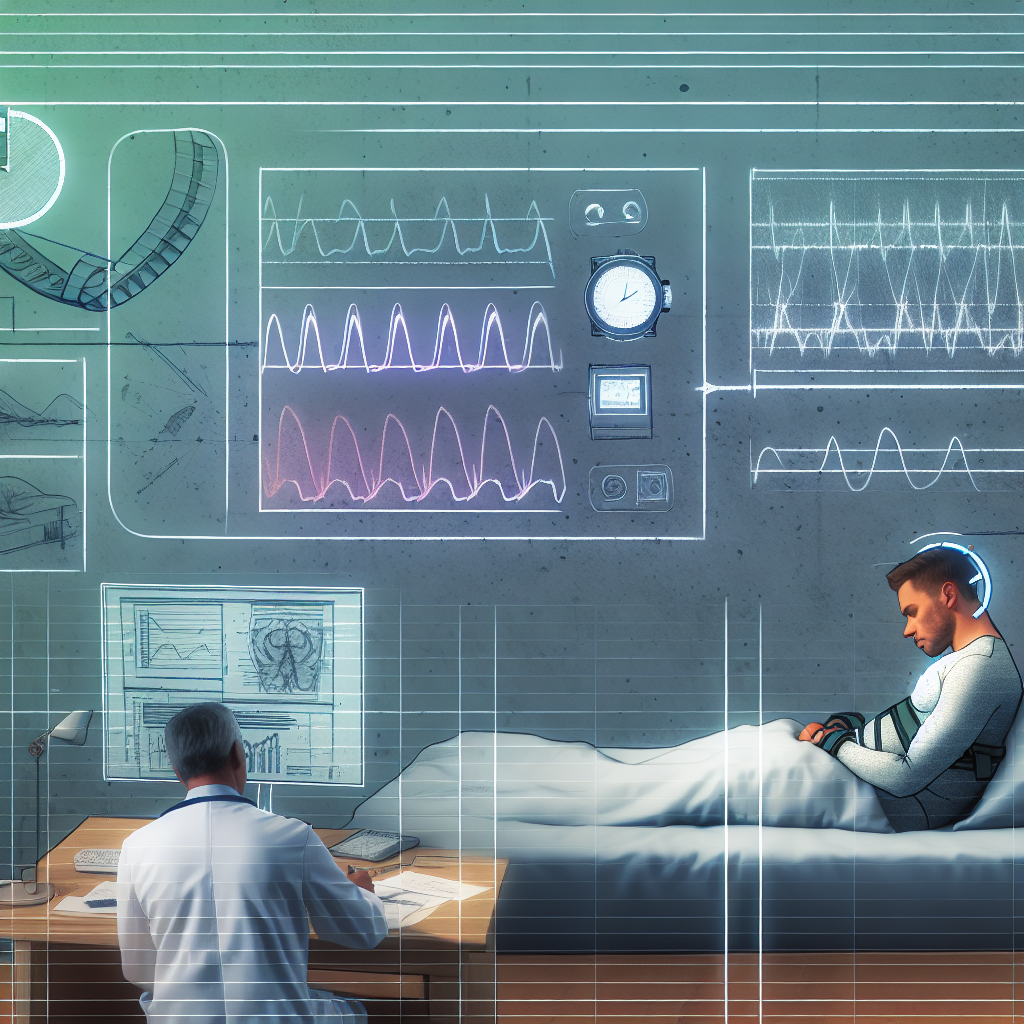
The rise of AI in sleep medicine is largely driven by its application in areas such as diagnostics, treatment personalization, and monitoring. A few studies highlight this ongoing revolution. One significant study published in **Nature and Science of Sleep** discusses how machine learning algorithms have been employed to analyze polysomnographic data ([Nature and Science of Sleep Study](https://www.dovepress.com/nature-and-science-of-sleep-journal)). Unlike traditional methods, which require manual scoring by experts—a time-consuming process—AI can rapidly assess sleep stages, recognize patterns associated with disorders like sleep apnea, and even predict potential health risks.
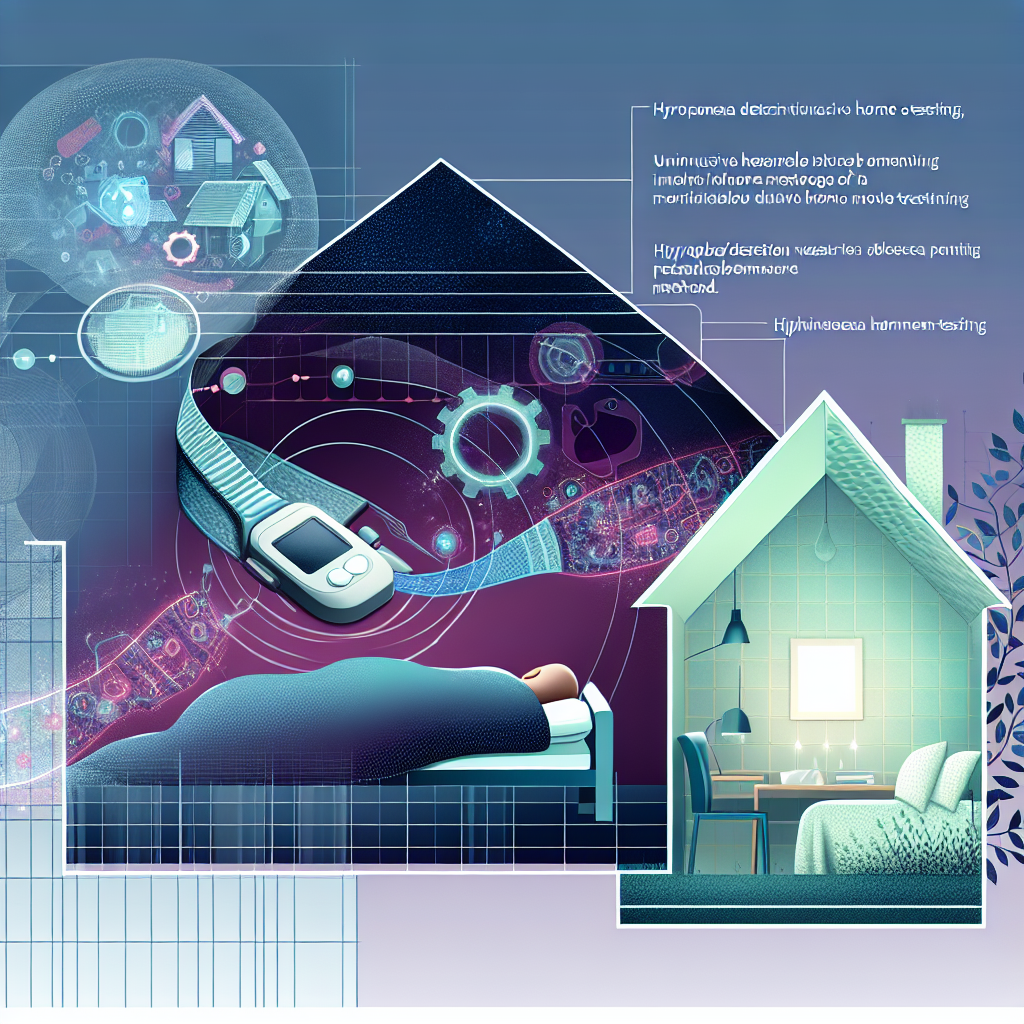
Another study published in the **Journal of Clinical Sleep Medicine** investigated the use of AI technologies in the continuous monitoring of sleep patterns outside clinical settings ([Journal of Clinical Sleep Medicine Study](https://jcsm.aasm.org)). **Wearable devices**, integrated with AI algorithms, offer an exciting avenue for obtaining **long-term sleep data**. These devices, ranging from simple trackers to advanced smartwatches, gather data that can be fed to machine learning models to provide real-time feedback on sleep quality, duration, and irregularities. This technological improvement not only aids in better understanding sleep patterns over time but also enhances the personalization of treatment plans.
AI also plays a pivotal role in advancing *personalized medicine*. Machine learning models can assimilate a broad spectrum of data, including **genetic information**, lifestyle, and environmental factors, to tailor treatments that are unique to each patient. This is particularly beneficial in cases where standard treatments for sleep disorders fail. Halle et al., in their research published in **Sleep Medicine Reviews**, highlight AI’s role in developing adaptive sleep therapies, which adjust in real-time based on patient feedback and changing symptoms ([Sleep Medicine Reviews Study](https://www.journals.elsevier.com/sleep-medicine-reviews)).
Moreover, AI assists in uncovering novel insights into the underlying mechanisms of sleep disorders. Through comprehensive data analysis, machine learning aids researchers in identifying previously unknown biomarkers and potential targets for new therapeutic interventions, offering a chance to explore new areas of **sleep science**.
Conclusion
The infusion of AI into sleep medicine signifies a profound shift toward a more efficient, personalized, and **insights-driven** approach to healthcare. As machine learning technologies continue to evolve, they offer vast potential to improve diagnostic accuracy, streamline treatment processes, and ultimately enhance patient outcomes. While these technologies are not without their challenges, particularly concerning data privacy and the need for integration within existing healthcare paradigms, the benefits are substantial. By harnessing the power of AI, the field of sleep medicine can transition to more proactive and predictive patient care, providing tools that not only support clinicians but also empower patients to take control of their sleep health. As we embrace these innovations, continued collaboration between AI specialists, healthcare providers, and policymakers will be essential to realizing the full potential of this promising frontier in medical science.
Concise Summary:
AI revolutionizes sleep medicine by enhancing diagnostic and treatment precision. It processes vast datasets swiftly, helping identify patterns unseen by humans, facilitates continuous monitoring via wearables, and enables personalized medicine by assimilating diverse data. While challenges like data privacy exist, the benefits include quicker diagnosis, targeted treatments, and improved outcomes. By integrating AI, sleep medicine becomes more proactive and predictive, ultimately empowering patient control over sleep health through advanced technologies and deeper insights into disorders.

Dominic E. is a passionate filmmaker navigating the exciting intersection of art and science. By day, he delves into the complexities of the human body as a full-time medical writer, meticulously translating intricate medical concepts into accessible and engaging narratives. By night, he explores the boundless realm of cinematic storytelling, crafting narratives that evoke emotion and challenge perspectives.
Film Student and Full-time Medical Writer for ContentVendor.com