Breathing Beyond Sleep: The Role of AI in Predicting and Preventing Life-Threatening Sleep-Related Disorders
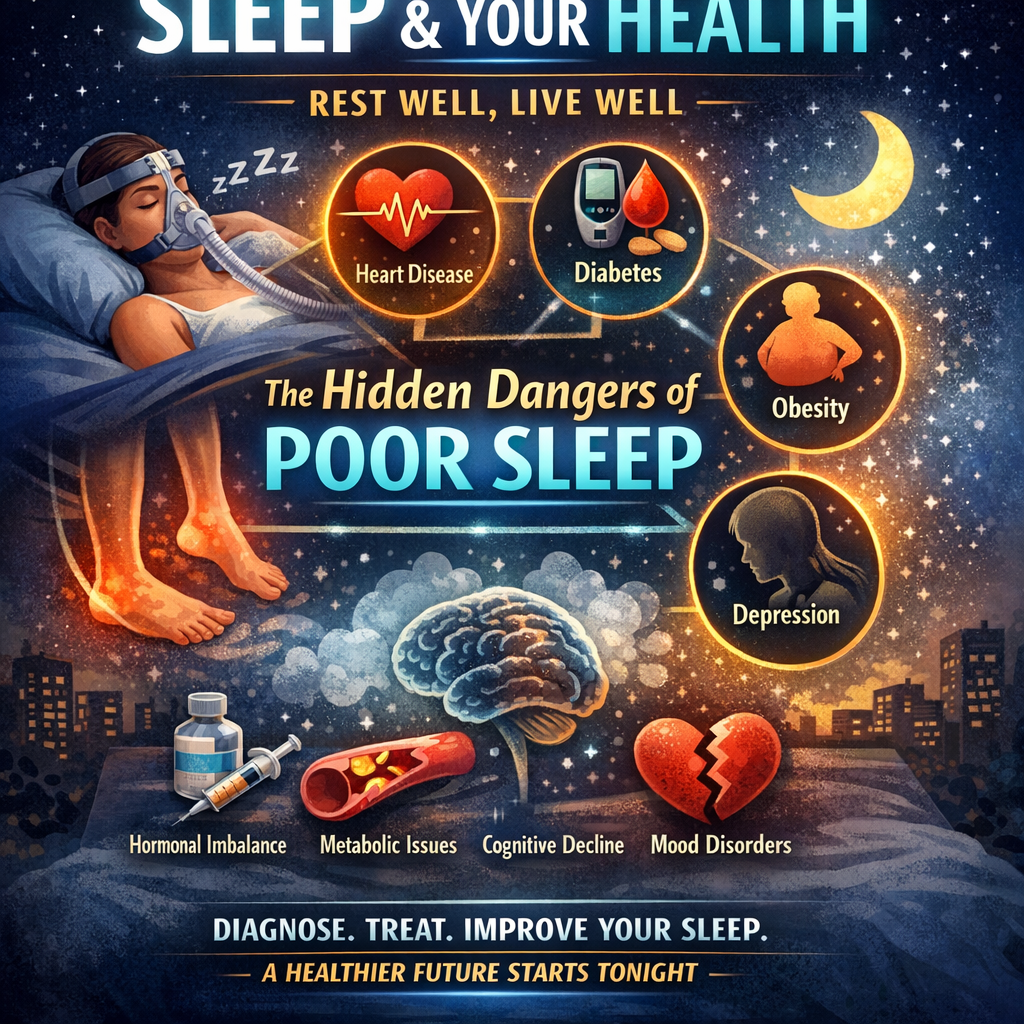
Sleep is an integral component of human health, yet millions of individuals around the world are affected by sleep-related disorders. Among these, Obstructive Sleep Apnea (OSA), central sleep apnea, and other less common conditions pose significant risks as they interrupt breathing during sleep, leading to severe consequences if left untreated. Traditionally, diagnosing and managing these sleep disorders has been a time-consuming process that requires overnight monitoring in sleep laboratories. However, the advent of artificial intelligence (AI) is revolutionizing sleep medicine by providing new ways to predict, identify, and manage life-threatening sleep-related disorders.
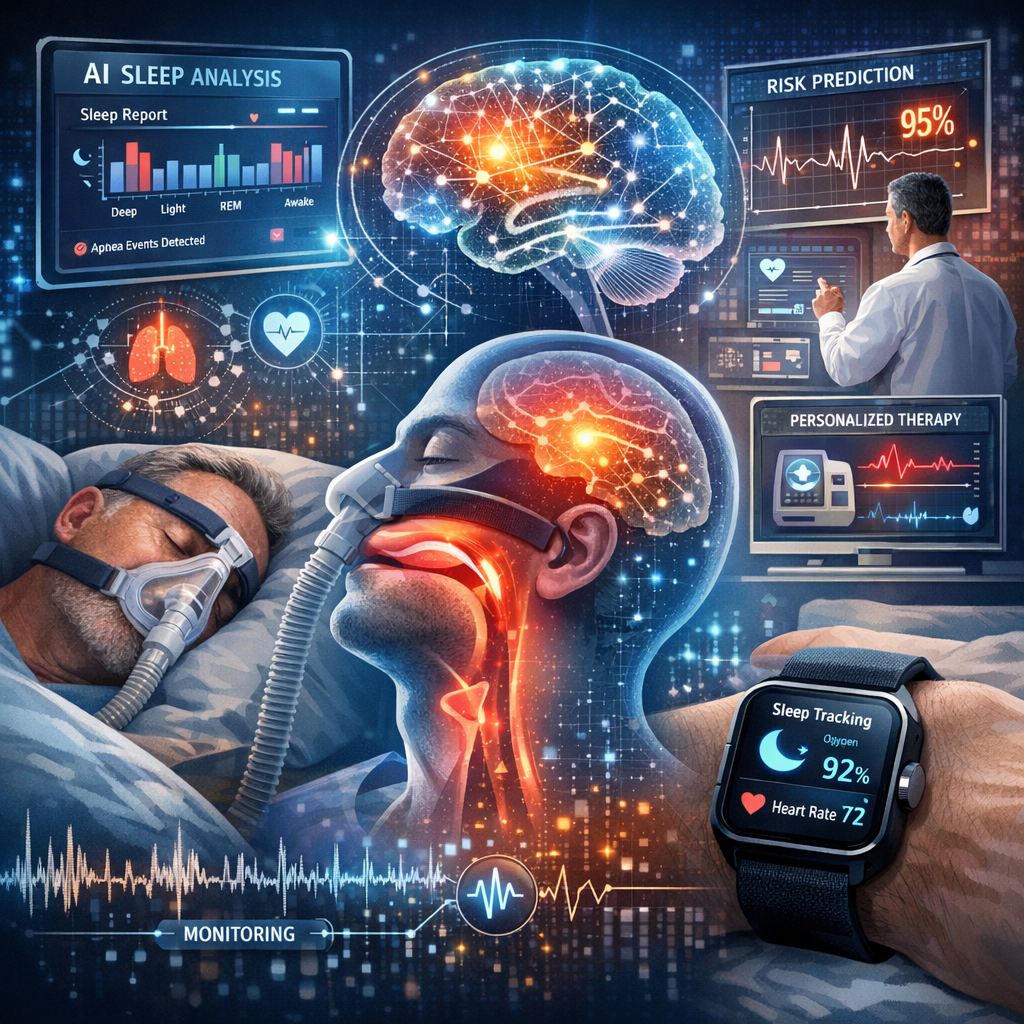
AI has the potential to change how we approach these disorders through advanced algorithms that can analyze vast datasets and determine patterns not easily discernible by human observation alone. These algorithms learn from individual sleep patterns, historical health data, and predictive modeling techniques, offering the possibility of early identification and intervention. For patients and healthcare providers, this means a marked improvement in diagnosing these conditions without the need for costly and inconvenient sleep studies. Notably, AI can even be integrated into consumer devices such as smartwatches and smartphones, offering real-time analysis and continuous monitoring at home.
Key Developments in AI for Sleep Medicine
Several key developments underscore the importance of AI in this field. Machine learning techniques, a subset of AI, are primarily used to evaluate polysomnography data—detailed sleep studies that record brain waves, oxygen levels, heart rate, and breathing. Recent advancements allow AI systems to accurately score sleep stages, detect anomalies in breathing, and identify potential risks for apnea. This technological prowess not only streamlines the diagnostic process but also enhances the ability to personalize treatment strategies, ultimately leading to better health outcomes.
AI’s role in sleep medicine signifies a pivotal shift towards proactive healthcare. Instead of reacting to severe symptoms or life-threatening events, AI can provide anticipatory measures. Through continuous monitoring and early warning systems built into everyday technological devices, AI offers individuals a means to address potential sleep-related disorders before they escalate. This proactive approach is crucial for at-risk populations, such as the elderly or those with existing health issues like obesity and cardiovascular problems, who are particularly prone to sleep apnea. As AI technology continues to mature, its potential to transform sleep health grows, promising a future where fewer people suffer from the adverse effects of sleep-related disorders.
Features: Insights from Professional Studies
Several recent studies highlight the transformative potential of AI in sleep medicine. A notable study published in Nature Communications examined the application of AI algorithms to assess sleep apnea more efficiently. The study revealed that AI could score sleep studies with a level of accuracy comparable to expert clinicians, thereby reducing the workload for healthcare professionals and minimizing human error. By employing deep learning models, the researchers were able to identify complex patterns in sleep data that correspond to sleep apnea episodes and even predict future instances based on historical data sets.
Additionally, a study from the Journal of Clinical Sleep Medicine focused on the use of AI-driven wearable technology for sleep disorder detection. The study demonstrated that these wearable devices, equipped with AI software, could monitor heart rate variability and oxygen saturation levels overnight, offering a continuous stream of data that aids in the early detection of sleep apnea. This innovation not only facilitates outpatient diagnosis but also extends continuous monitoring capabilities to everyday environments, such as one’s home, thereby enhancing patient convenience and engagement.
Moreover, research highlighted in The Lancet Digital Health emphasized the role of AI in personalized treatment planning. By analyzing extensive datasets derived from diverse patient populations, AI systems can recommend treatment modalities that are tailored to individual needs, such as Positive Airway Pressure (PAP) therapy or mandibular advancement devices, helping to improve treatment adherence and effectiveness.
These studies underscore the efficacy of AI in sleep medicine, showcasing its potential to streamline diagnosis processes, enhance monitoring capabilities, and personalize treatment strategies for better health outcomes. As AI continues to integrate into clinical practice, its ability to address sleep-related disorders will undoubtedly revolutionize patient care, paving the way for more efficient and accessible sleep health solutions.
Conclusion
The integration of AI into the realm of sleep medicine is a transformative development that offers hope for countless individuals suffering from life-threatening sleep-related disorders. By enabling early diagnosis, customized treatment, and ongoing monitoring, AI empowers both patients and healthcare providers to address these disorders with greater precision and timeliness. As AI technology continues to evolve, its widespread adoption could effectively reduce the burden of sleep disorders by providing innovative, scalable solutions that make proactive healthcare a reality. The future of sleep health is bright, with AI acting as a catalyst for enhanced care and improved quality of life for individuals around the globe. Embracing these advancements will not only improve immediate health outcomes but also safeguard long-term well-being, aligning with the overarching goal of fostering a healthier, more alert society.
References
- Nature Communications – AI Algorithms for Sleep Apnea Assessment
- Journal of Clinical Sleep Medicine – AI-driven Wearable Technology
- The Lancet Digital Health – AI in Personalized Treatment Planning
Concise Summary
The integration of AI in sleep medicine offers transformative possibilities in diagnosing, predicting, and managing sleep-related disorders like sleep apnea. Machine learning and AI-driven wearable technology enable real-time analysis and continuous home monitoring, addressing these disorders proactively. Recent studies in Nature Communications, Journal of Clinical Sleep Medicine, and The Lancet Digital Health highlight AI’s role in accurate diagnosis, enhanced monitoring, and personalized treatment strategies. As AI technologies evolve, they hold the promise of improving long-term health outcomes and reducing the burden of sleep disorders globally.

Dominic E. is a passionate filmmaker navigating the exciting intersection of art and science. By day, he delves into the complexities of the human body as a full-time medical writer, meticulously translating intricate medical concepts into accessible and engaging narratives. By night, he explores the boundless realm of cinematic storytelling, crafting narratives that evoke emotion and challenge perspectives.
Film Student and Full-time Medical Writer for ContentVendor.com