Unlocking the Oxygen Code: The Next Frontier in Proactive Sleep Medicine for Preventing Chronic Diseases
Topic Introduction
Sleep is an indispensable part of human health, serving as the body’s natural healer and restorer. While many perceive **sleep** merely as a time for rest, research increasingly underscores its crucial role in maintaining optimal health. Notably, scientists and medical professionals are beginning to explore an intriguing facet of **sleep health**: the vital role of **oxygen consumption** during sleep and its potential to stave off chronic diseases. **Oxygen**, an invisible but essential gas, is central to life and health. Where **sleep encounters disruption**—through **sleep apnea**, insufficient respiratory function, or other breathing-related sleep disorders—the balance of oxygen can be compromised, leading to a plethora of health concerns.
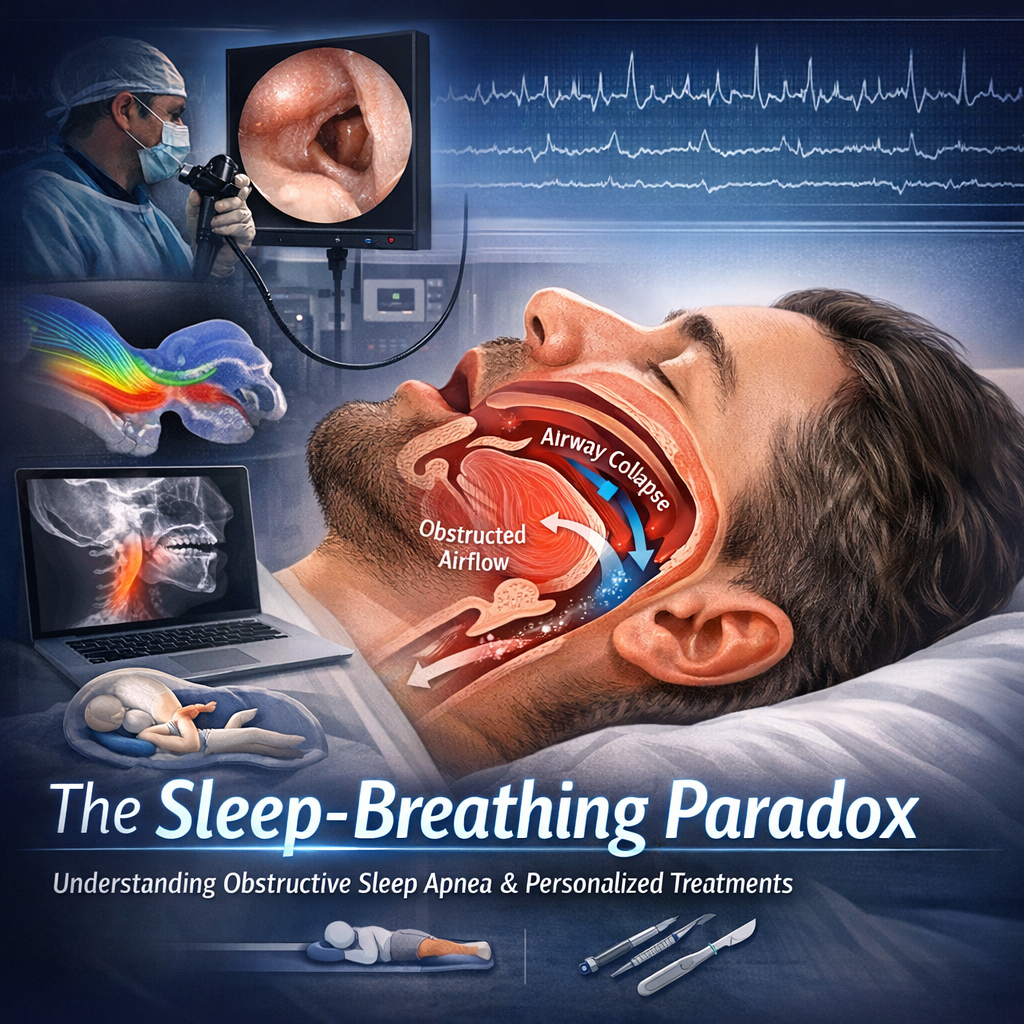
**Sleep apnea**, for instance, affects millions worldwide and is characterized by repeated interruptions in breathing. These interruptions can lead to lower levels of **oxygen in the blood**, triggering an array of health issues. Chronic conditions such as **hypertension**, **heart disease**, and **diabetes** have all been linked to poor sleep and disrupted oxygen flow. Furthermore, decreased oxygen levels during sleep are not limited to those with diagnosed sleep disorders. Lifestyle factors such as **obesity**, smoking, and inactivity can contribute to poor respiratory function during sleep in a broader segment of the population.
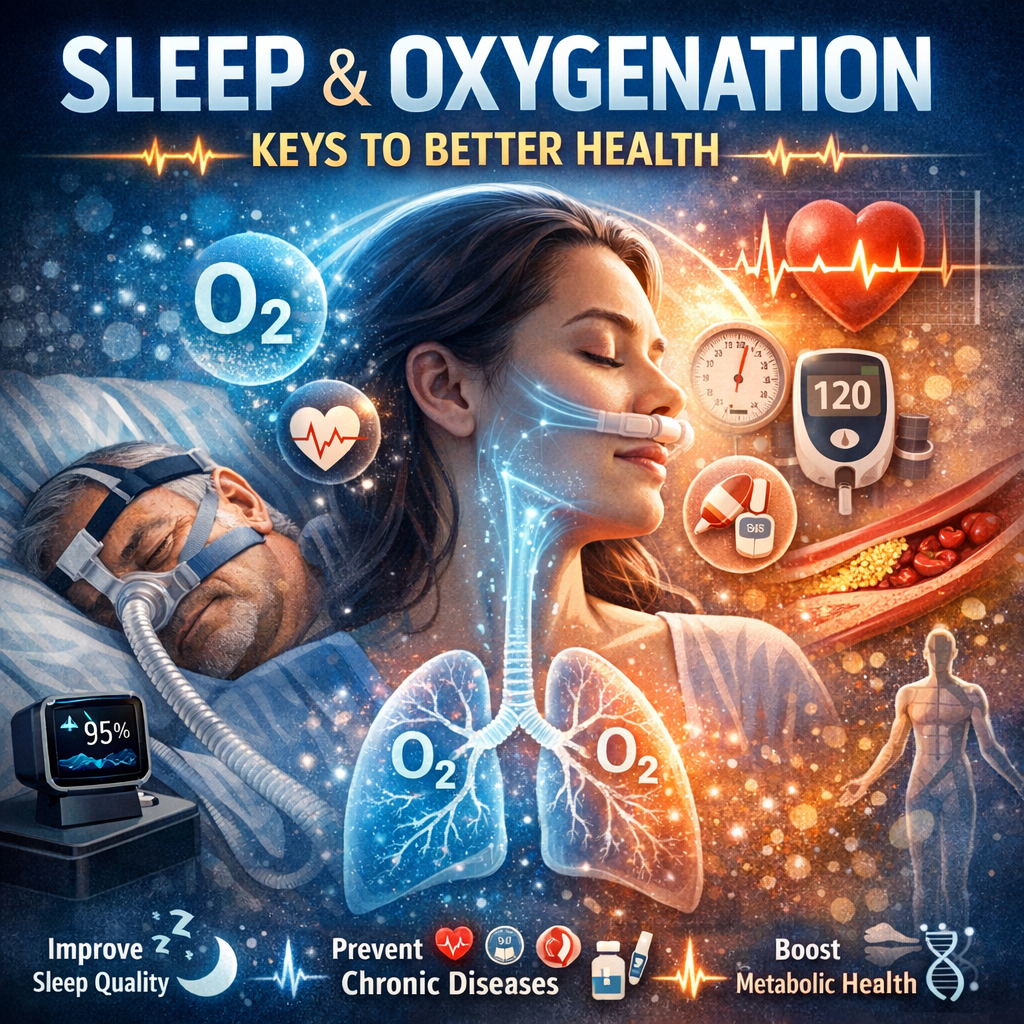
In light of these concerns, the field of **sleep medicine** is evolving. Researchers are at the forefront of what might be termed the “oxygen code”—an interconnected web of physiological factors that regulate sleep and health outcomes through oxygenation. Cutting-edge research focuses on understanding how optimizing oxygen levels during sleep can not only improve **sleep quality** but act preventatively against various chronic illnesses. With advancements in **sleep medicine technology** and an increasing understanding of the role of oxygen, healthcare professionals are well-positioned to mitigate risk factors associated with chronic diseases by focusing on this critical aspect of sleep health. This proactive approach emphasizes sleep health as a cornerstone of long-term wellness and chronic disease prevention.
Features: Professional and Medical Studies
The exploration of oxygenation during sleep, and its implications for health, is underpinned by multiple recent studies. Foremost among these is research examining the link between **hypoxemia**—low levels of oxygen in the blood—and **cardiovascular risk**. A pivotal study published in the American Journal of Respiratory and Critical Care Medicine found a strong association between nocturnal hypoxemia and increased cardiovascular risk, including hypertension and coronary artery disease. [View Study](https://www.atsjournals.org/doi/abs/10.1164/rccm.201803-0532OC).
Furthermore, research published in the Journal of Clinical Sleep Medicine highlights innovations in **continuous positive airway pressure (CPAP)** technology that supports consistent oxygen flow for individuals with sleep apnea. By maintaining airway openness, CPAP has been shown to improve oxygenation and, consequently, reduce the risk of associated chronic conditions such as type 2 diabetes. [View Study](https://jcsm.aasm.org/doi/10.5664/jcsm.8186).
Adding to the body of research is a study from the Lancet Respiratory Medicine, which examined the role of **intermittent hypoxia**, or fluctuating oxygen levels during sleep. The researchers discovered a significant link between intermittent hypoxia and insulin resistance, a precursor to diabetes. This finding suggests that managing oxygen stability during sleep could play a pivotal role in metabolic health. [View Study](https://www.thelancet.com/journals/lanres/article/PIIS2213-2600(19)30068-2/fulltext).
In addition to these studies, recent advancements in **wearable sleep technology** are revolutionizing how oxygen levels are monitored and managed. Devices that measure blood oxygen saturation continuously allow for real-time assessment and interventions, giving individuals the agency to monitor their own sleep health proactively. These technologies represent an exciting horizon in preventive health, providing insights and tools necessary to address the oxygen code in sleep medicine.
Conclusion
Advancements in understanding the oxygen code during sleep signify a groundbreaking shift in proactive sleep medicine, with the potential to prevent and mitigate chronic diseases. By maintaining optimal oxygen levels throughout the night, individuals can improve sleep quality, bolster cardiovascular health, and enhance metabolic function. The integration of continuous monitoring technologies, alongside traditional interventions like CPAP, positions the healthcare industry at the precipice of a health revolution centered around sleep.
In acknowledging the indispensable role of oxygen in sleep and health, both individuals and healthcare providers are empowered to employ strategies that enhance life quality by focusing on sleep as a cornerstone of preventive care. As research continues to unravel this complex relationship, the hope is that more targeted treatments and interventions will emerge, leading to healthier, longer lives. By prioritizing sleep health and understanding its connection to oxygen, we can unlock a vital tool for chronic disease prevention and overall wellness management.
**Concise Summary:**
Understanding the “oxygen code” during sleep presents a new frontier in preventive sleep medicine. By optimizing oxygen levels during rest, chronic diseases such as heart disease, diabetes, and hypertension can be effectively managed and prevented. Cutting-edge technologies like CPAP and wearable devices are revolutionizing sleep health monitoring. This proactive approach to sleep medicine emphasizes the critical role of oxygen in enhancing long-term wellness and preventing chronic diseases, positioning healthcare at the brink of a sleep-centered health revolution.

Dominic E. is a passionate filmmaker navigating the exciting intersection of art and science. By day, he delves into the complexities of the human body as a full-time medical writer, meticulously translating intricate medical concepts into accessible and engaging narratives. By night, he explores the boundless realm of cinematic storytelling, crafting narratives that evoke emotion and challenge perspectives.
Film Student and Full-time Medical Writer for ContentVendor.com