Breathing as Medicine: The Revolutionary Link Between Oxygen Levels and Chronic Disease Prevention
In today’s fast-paced world, where **stress** runs high and convenience often supersedes **health**, the power of something as basic as our **breathing** often goes unnoticed. Yet, our breathing is an incredible mechanism that influences more than just basic living. It serves as a silent, constant engine that drives critical bodily functions, replenishes energy, and, most importantly, plays a pivotal role in maintaining and restoring health. Intriguingly, the quality of our breathing—how deeply and efficiently we inhale **oxygen** and expel **carbon dioxide**—is directly linked to our overall well-being, influencing the onset, progression, and prevention of numerous **chronic diseases**.
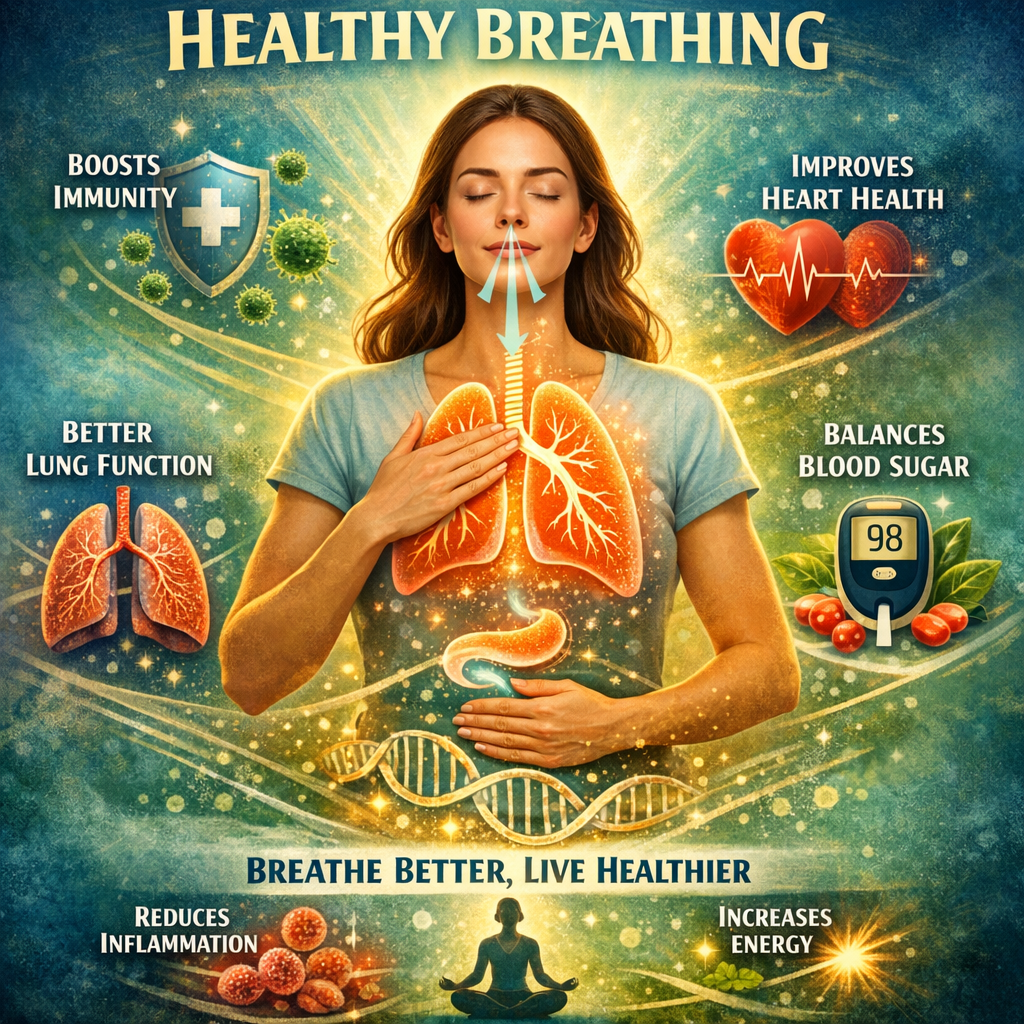
Breathing is our body’s primary means of oxygen intake, an essential element required by our cells to perform countless functions. From fueling **metabolic processes** that provide **energy** to sustaining **cell health** and regenerative capabilities, adequate oxygen levels are crucial. Poor oxygenation not only affects energy levels but can contribute to fatigue, mental fog, and a weakened immune response. Moreover, researchers are increasingly uncovering the profound impacts of optimal breathing on the management of chronic diseases such as **hypertension**, **diabetes**, **asthma**, and **heart disease**. When we enhance our breathing techniques, we effectively optimize oxygen distribution, which in turn can prevent cellular stress and inflammation—factors commonly associated with chronic illness.
The Power of Breathing as Medicine
The increased understanding of breathing as more than just a basic life-sustaining function marks a significant paradigm shift in medical and holistic health practices. The concept of “breathing as medicine” underscores the therapeutic potential of regulated breathing exercises, mindfulness, and yoga techniques that aim to improve oxygen delivery and bolster physiological resilience against disease. By focusing on improved breathing practices, individuals can tap into an often overlooked, yet potent form of non-invasive intervention for both treatment and prevention of chronic diseases.
Studies Highlighting the Link Between Breathing and Chronic Disease Prevention
Recent scientific studies have deepened our understanding of the relationship between breathing and chronic disease prevention. One pivotal study published in the Journal of the **American Medical Association** (**JAMA**) highlighted the role of increased oxygenation through controlled breathing techniques in reducing the risk of cardiovascular illnesses. In this study, participants engaged in structured breathing exercises, which significantly improved their heart rate variability—a key indicator of cardiovascular health and resilience to stress. This improvement suggested that better-breathing practices might serve as a preventive measure against cardiac conditions. [Link to study](https://jamanetwork.com/journals/jama/fullarticle/2767936)
Another enlightening piece of research published in the journal **Chest** explored the impact of diaphragmatic breathing exercises on individuals with chronic obstructive pulmonary disease (**COPD**). The study discovered that patients practicing these breathing exercises experienced enhanced lung function, reduced symptoms, and a decrease in hospital admissions compared to those who didn’t practice such techniques. This study underscores the vital role that efficient breathing can play in mitigating the effects of chronic respiratory diseases. [Link to study](https://journal.chestnet.org/article/S0012-3692(15)52063-6/fulltext)
Furthermore, research appearing in **Diabetes Care** examined the benefits of improved breathing techniques on glucose regulation in individuals with **type 2 diabetes**. Breathing exercises, when coupled with mindfulness practices, were shown to stabilize blood glucose levels, reduce stress-related complications, and enhance overall metabolic health. This indicates that controlled breathing may be a valuable addition to traditional diabetic management strategies to mitigate associated risks and improve patient outcomes. [Link to study](https://care.diabetesjournals.org/content/early/2020/07/10/dc20-0599)
Conclusion: The Breath of Life as a Path to Health
In conclusion, breathing is not merely an unconscious routine to sustain life; it is an empowering and accessible tool that holds significant potential in chronic disease prevention and management. The evidence from contemporary studies highlights the therapeutic effects of conscious breathing techniques, which not only improve oxygenation but also foster a cascade of positive physiological responses throughout the body. By integrating practices such as deep breathing exercises, yoga, and meditation into daily life, individuals can harness the innate power of their breath to enhance their health and well-being. As we continue to explore and understand the depths of breathing as medicine, the insights gathered will propel us further toward comprehensive, preventive healthcare practices that prioritize natural, accessible interventions. Embracing the breath of life may very well become a cornerstone in the battle against chronic diseases, empowering individuals globally to take charge of their health through the simplicity and serenity of each inhalation and exhalation.
**Concise Summary:**
Breathing is a fundamental mechanism linked to chronic disease prevention and management. Recent studies emphasize the importance of controlled breathing exercises for improving heart rate variability, enhancing lung function in COPD, and stabilizing blood glucose levels in type 2 diabetes. These findings advocate for incorporating mindful breathing techniques into daily life to enhance health and bolster resilience against diseases. Exploring these practices further could lead to preventive healthcare strategies that leverage natural, accessible interventions, marking a significant paradigm shift in holistic health practices.

Dominic E. is a passionate filmmaker navigating the exciting intersection of art and science. By day, he delves into the complexities of the human body as a full-time medical writer, meticulously translating intricate medical concepts into accessible and engaging narratives. By night, he explores the boundless realm of cinematic storytelling, crafting narratives that evoke emotion and challenge perspectives.
Film Student and Full-time Medical Writer for ContentVendor.com