Revealing the Silent Killer: How Undiagnosed Sleep Apnea Impacts Heart Health More Than You Think
Introduction
In the tranquil moments of a quiet night, as the world around you drifts into slumber, something sinister may lurk beneath the veneer of rest. **Sleep apnea**, a sleep disorder characterized by pauses in breathing during sleep, often goes undiagnosed, overshadowed by more conspicuous health alarms. However, its inconspicuous nature belies its significant impact, particularly concerning **heart health**. This condition, often silently plaguing millions worldwide, manifests subtly but harbors the potential to severely compromise cardiovascular well-being.
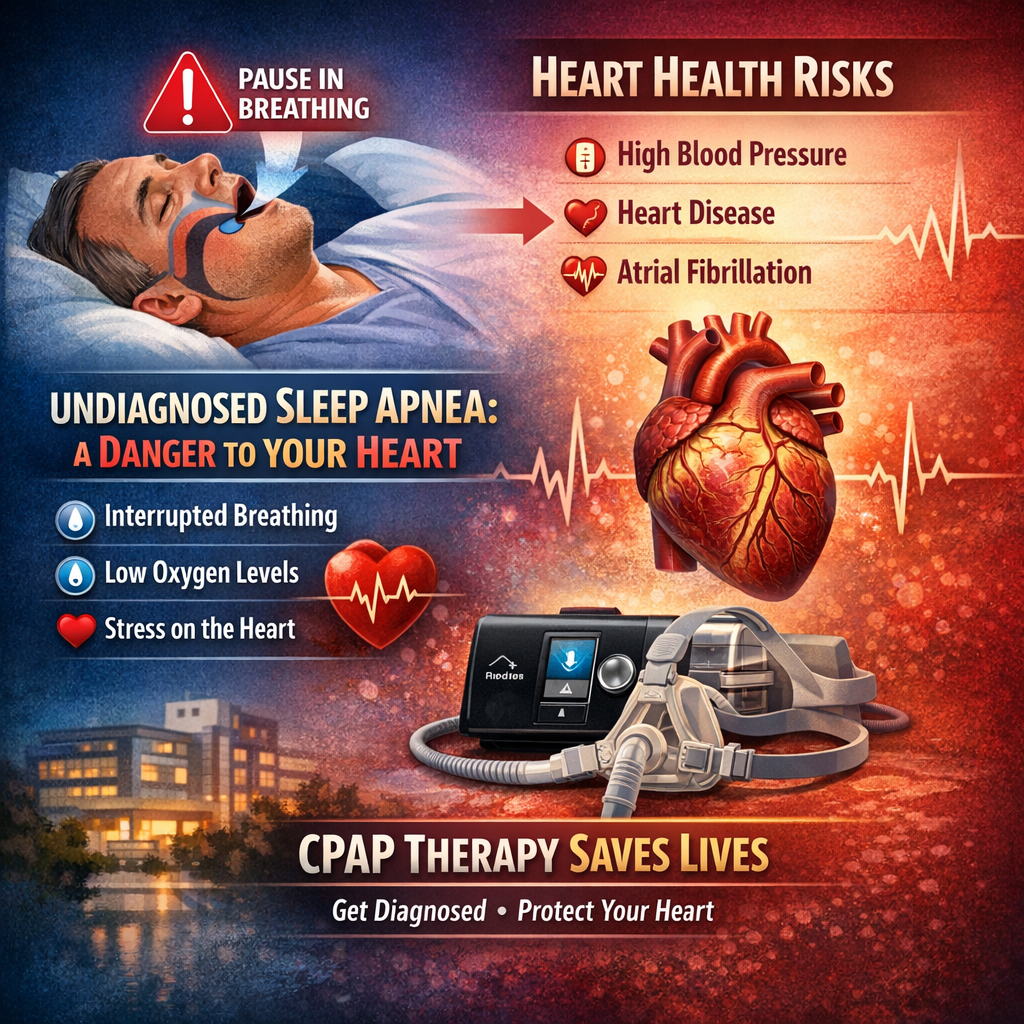
Unbeknownst to many, the connection between sleep apnea and heart health is anchored in the science of interrupted breathing. Each pause deprives the body of oxygen, prompting a fight-or-flight response from the **cardiovascular system**. The heart races, **blood pressure** surges, and stress hormones flood the system as the body struggles to restore balance. Over time, these physiological stressors translate into tangible health detriments. The heart is subjected to undue strain, not only during the apneic episodes at night but continually, as the aftereffects seep into waking hours.
Moreover, the adverse relationship between sleep apnea and the cardiovascular system is not confined by age. From children suffering from **obstructive sleep apnea (OSA)**, often due to enlarged tonsils, to adults with lifestyle-induced risk factors, the spectrum is broad. The insidious onset of sleep apnea symptoms, such as loud **snoring**, **daytime fatigue**, and morning headaches, often masks the underlying cardiac implications. Consequently, many individuals remain blissfully unaware of the cumulative damage being inflicted on their heart, a silent erosion of health taking place in the darkest hours of the night.
As the mutable landscape of sleep research continues to evolve, it reveals an alarming association: undiagnosed sleep apnea is not merely a nocturnal nuisance, but a palpable, often stealthy contributor to cardiovascular distress. An extensive body of research underscores the necessity for heightened awareness and timely intervention, both of which could pivotally alter the trajectory of heart health outcomes for countless individuals.
Features
Recent studies have illuminated the profound impact of undiagnosed sleep apnea on cardiovascular health, expanding our understanding of this elusive ailment. Research published in the [**Journal of the American College of Cardiology**](https://www.jacc.org/) underscores the heightened risk of heart disease among those with sleep apnea. The study found that individuals with untreated sleep apnea are significantly more likely to suffer from **high blood pressure**, coronary artery disease, and even heart failure.
Furthermore, a pivotal study conducted by the [**American Heart Association**](https://www.heart.org/) revealed a direct correlation between the severity of sleep apnea and the prevalence of **atrial fibrillation**. This form of irregular heartbeat is a known precursor to **stroke**, highlighting another critical cardiovascular risk associated with the sleep disorder. The researchers noted that effective treatment of sleep apnea could reduce the recurrence of atrial fibrillation and improve overall heart health.
Additionally, the [**National Sleep Foundation**](https://www.sleepfoundation.org/) published findings indicative of the long-term cardiovascular effects of untreated sleep apnea in younger populations. The study emphasized the importance of early diagnosis and intervention, particularly in patients with a familial history of heart disease or presenting symptoms synonymous with sleep apnea. **Sleep studies** incorporating polysomnography are recommended to conclusively diagnose the presence and severity of the disorder, thereby facilitating early intervention strategies.
The cumulative evidence from these and numerous other scientific inquiries paints a compelling picture: undiagnosed sleep apnea is not just a peripheral health concern but a core risk factor for heart disease. The evidence is clear; timely diagnosis and treatment can significantly mitigate these risks, offering a lifeline to those unknowingly ensnared by this nocturnal affliction. As awareness spreads, the potential for preventative care and improved lifetime outcomes becomes increasingly attainable.
Conclusion
The pervasive nature of undiagnosed sleep apnea, coupled with its stealthy erosion of heart health, necessitates a call to action. Awareness and education stand as the cornerstones of combating this silent killer. Recognizing the symptoms and seeking proper diagnosis are crucial first steps for individuals at risk. **Medical professionals** must prioritize the inclusion of sleep apnea screenings in routine health assessments, particularly for patients with other cardiovascular risk factors.
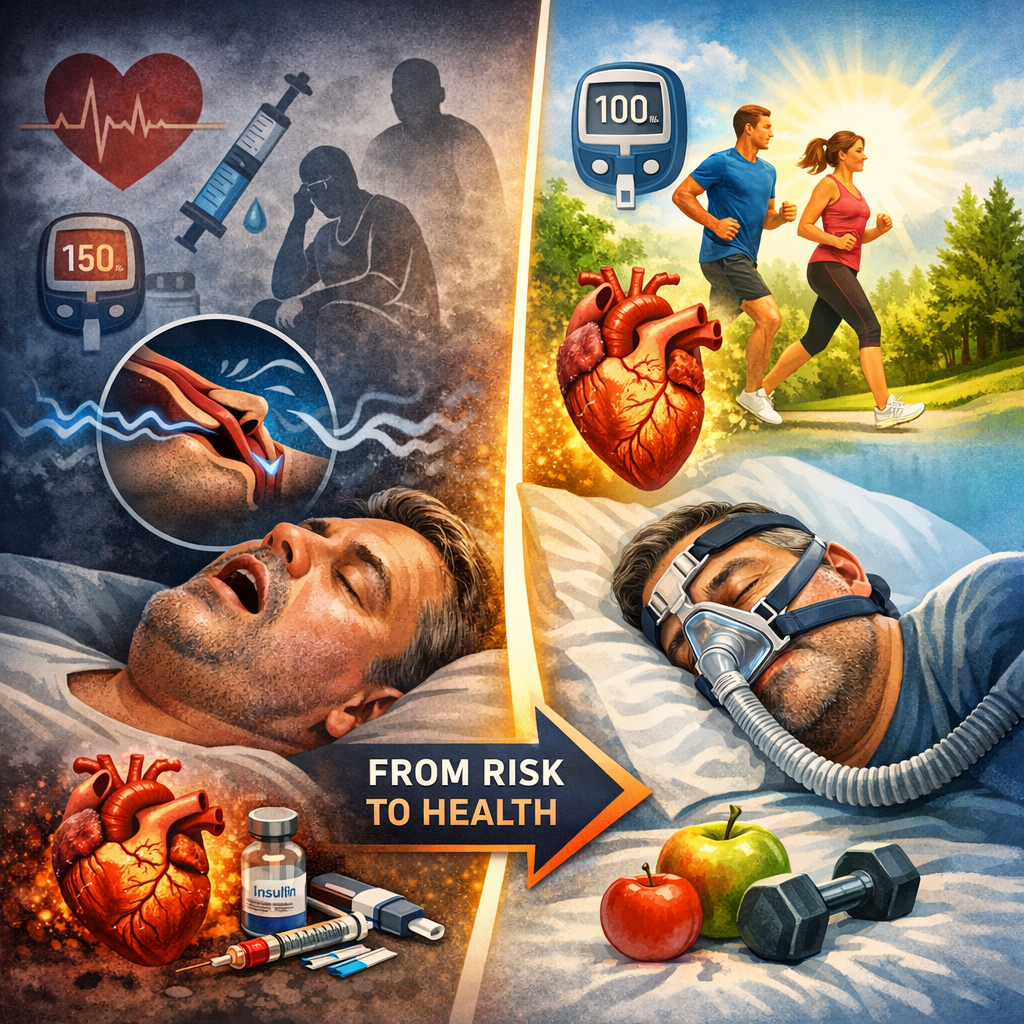
Intervention can pave the way for not only improved sleep quality but perhaps more critically, enhanced cardiovascular health. Treatments such as **Continuous Positive Airway Pressure (CPAP) therapy** have proven effective in alleviating the fractures posed by sleep apnea, offering a significant reduction in associated heart risks. As our understanding deepens, the potential to diminish the global burden of this disorder becomes an attainable objective.
In essence, undiagnosed sleep apnea represents a formidable threat, a condition that transcends beyond mere discomfort to potentially catastrophic health outcomes. The onus lies on both the public and healthcare community to unravel this enigma, fostering a future where heart health is preserved through the harmonizing power of restful, undisturbed slumber.
**Concise Summary**
Undiagnosed sleep apnea has significant cardiovascular implications, often going unnoticed due to its subtle manifestations. This condition triggers the body’s fight-or-flight response, increasing heart rate and blood pressure, which can lead to heart disease and other cardiovascular issues over time. Studies from prominent health organizations emphasize the critical link between sleep apnea and heart risks, advocating for early diagnosis and intervention. As awareness grows, incorporating sleep apnea screenings in routine health assessments becomes crucial. By addressing sleep apnea through treatments like CPAP, both sleep quality and heart health can be significantly improved.

Dominic E. is a passionate filmmaker navigating the exciting intersection of art and science. By day, he delves into the complexities of the human body as a full-time medical writer, meticulously translating intricate medical concepts into accessible and engaging narratives. By night, he explores the boundless realm of cinematic storytelling, crafting narratives that evoke emotion and challenge perspectives.
Film Student and Full-time Medical Writer for ContentVendor.com