Unlocking Sleep Longevity: How Breath-Powered Regeneration is Redefining Chronic Disease Prevention
**Introduction:**
In today’s fast-paced world, the pursuit of quality **sleep** is increasingly strained, synonymous with the quest for well-being and **longevity**. Sleep is the cornerstone of good health, affecting everything from mood to immune function. Yet, many individuals struggle to obtain sufficient restorative sleep, leading to a rise in **chronic sleep deprivation**—a condition linked to a host of health issues, including **obesity**, **diabetes**, **cardiovascular diseases**, and even certain types of **cancer**. What if, however, the key to unlocking sleep’s regenerative power lay in something as simple yet profound as the way we breathe?
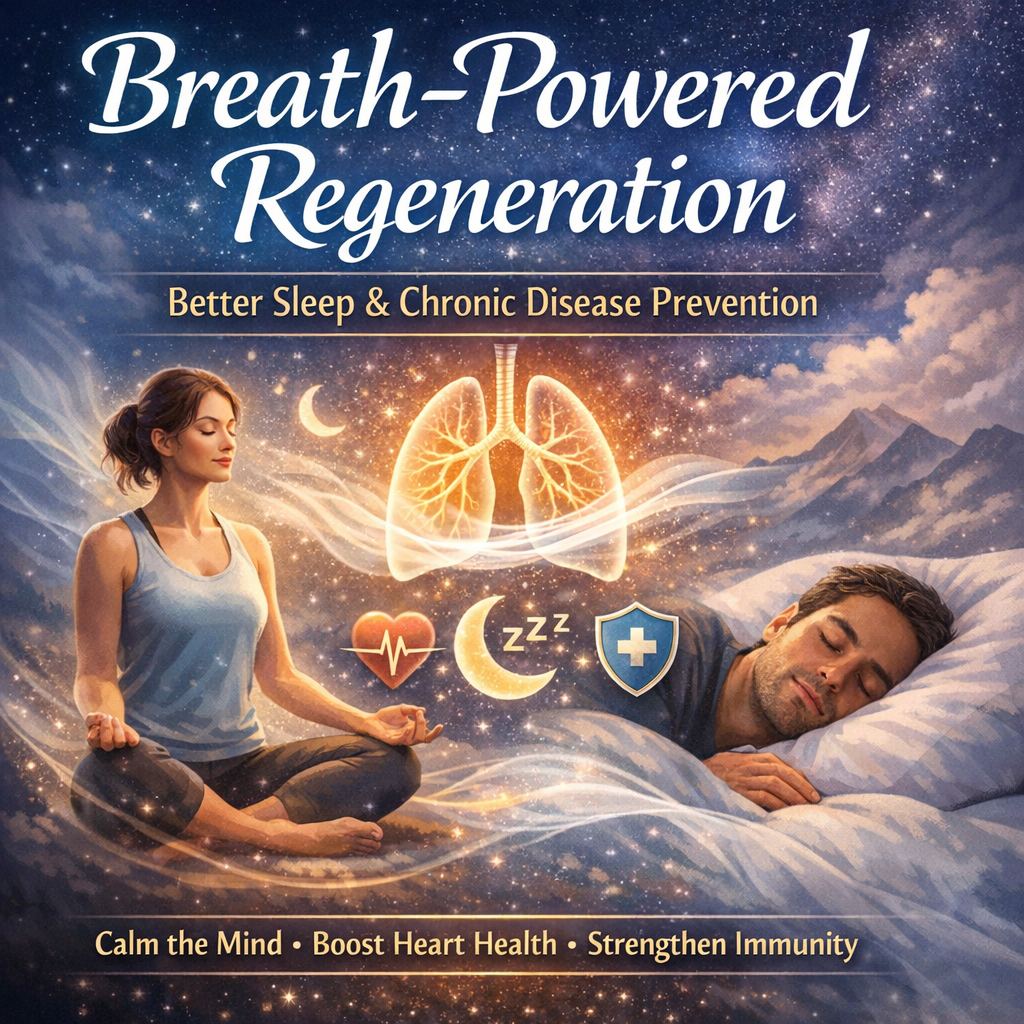
Breath-powered regeneration is an emerging concept reshaping our understanding of how sleep can influence **chronic disease prevention**. Breathing is not only essential for life but integral to achieving profound, restorative sleep. The practice of mindful breathing techniques, particularly during sleep, has shown promise in enhancing sleep quality, promoting relaxation, and activating the body’s **natural regenerative processes**. This form of conscious breathing involves focusing on deep, slow breaths which can stimulate the **parasympathetic nervous system**, often referred to as the ‘rest and digest’ system, helping to lower heart rate and blood pressure, reduce stress, and improve sleep quality—ultimately aiding in chronic disease prevention.
In this intersection of breath and **sleep science**, recent innovations and studies reveal that certain breathing techniques practiced at bedtime or during sporadic wakeful periods might indeed impact sleep longevity and quality positively. Many individuals worldwide have adopted such practices, finding them transformative not only in securing more restful sleep but also in bolstering overall health. By delving deeper into the science behind breath-based sleep regeneration, we can uncover practical strategies to help individuals of all ages embrace healthier sleep patterns—proactively defending against the cascade of health issues that often accompany chronic sleep deprivation. Join us as we explore this vital connection and learn how harnessing the power of your breath could revolutionize your sleep health and well-being.
**Features:**
Numerous professional and medical studies have begun to highlight the significance of breath-based interventions for improving sleep quality and, by extension, contributing to chronic disease prevention. An essential study conducted by researchers at [Stanford University](https://www.stanford.edu) emphasized the impact of breath regulation on sleep. The study demonstrated that controlled breathing techniques lead to a noticeable increase in **heart rate variability**—a marker of stress resilience and **autonomic nervous system balance**. This indicates the body’s improved ability to handle stress, ultimately enhancing the quality of sleep and promoting better overall health.
Another study published in the [Journal of Clinical Sleep Medicine](https://jcsm.aasm.org) examined the efficacy of paced breathing as a therapeutic intervention. Participants practicing rhythmic breathing exercises before bed reported significant decreases in **insomnia** symptoms and sleep disturbances. This study underscores the potential of breath-powered practices to address sleep disorders, stressing the importance of incorporating such techniques into daily routines for healthier sleep patterns.
In recent years, understanding the importance of the breath-sleep connection has expanded into mainstream wellness discussions. The emergence of the **4-7-8 breathing technique**, popularized by [Dr. Andrew Weil](https://www.drweil.com), is one method gaining attention. This technique, which involves a cycle of inhaling for four seconds, holding the breath for seven, and exhaling for eight seconds, is designed to relax the nervous system and promote a state conducive to sleep. Clinical evaluations have found that individuals employing this technique regularly experienced reductions in heart rate and blood pressure, allowing them to enter a deeper, more regenerative state of sleep more easily.
Moreover, studies exploring practices like **yoga** and **tai chi** show that intentional breathing patterns adopted during these activities significantly improve sleep parameters, even in those suffering from chronic insomnia. The rhythmic and mindful nature of these breathing exercises assists in reducing the physiological impacts of stress, a well-known barrier to quality sleep, by calming the mind and easing the body into a restful state.
In essence, these findings suggest that by focusing on the rhythm and depth of our breathing, we can positively influence our sleep quality and mitigate the risk of developing chronic diseases related to sleep deprivation. These breath-based practices are laying the groundwork for innovative approaches to health that are non-invasive, accessible, and remarkably effective.
**Conclusion:**
As science progressively uncovers the interplay between respiration and sleep, adopting breath-powered regeneration as a cornerstone of sleep health strategies is gaining momentum. By integrating mindful breathing practices into our daily lives, especially as part of bedtime routines, we stand to reap significant benefits—not just in securing restorative sleep but also in fostering a more robust defense against chronic illnesses. Breath-powered techniques offer a proactive approach to health, empowering individuals to manage stress, improve emotional well-being, and enhance physical health, all without the need for medication or elaborate equipment.
Accessible and adaptable, these practices encourage us to harness our innate ability to influence physiological states through something as fundamental as breath. As more people embrace these methods and share their transformative benefits, we inch closer to a society where sleep longevity and chronic disease prevention go hand in hand. Whether through guided exercises, apps, or meditation, the tools are readily available for everyone to explore. As we continue to uncover the myriad of ways our breathing affects health, it becomes increasingly clear that this simple, age-old practice holds incredible potential in reshaping our approach to sleep and overall well-being.
**Concise Summary:**
Breath-powered regeneration is transforming our understanding of sleep and its role in chronic disease prevention. Modern studies highlight how mindful breathing enhances sleep quality by reducing stress and activating the body’s natural healing processes. Techniques like Dr. Andrew Weil’s 4-7-8 method, along with practices such as yoga and tai chi, demonstrate notable health benefits by promoting relaxation and restorative sleep. Integrating breath-based practices into daily routines provides a non-invasive way to improve well-being, manage stress, and potentially prevent chronic illnesses, making it an integral part of modern health strategies.

Dominic E. is a passionate filmmaker navigating the exciting intersection of art and science. By day, he delves into the complexities of the human body as a full-time medical writer, meticulously translating intricate medical concepts into accessible and engaging narratives. By night, he explores the boundless realm of cinematic storytelling, crafting narratives that evoke emotion and challenge perspectives.
Film Student and Full-time Medical Writer for ContentVendor.com