Unlocking the Silent Epidemic: How Sleep Apnea Could Be the Hidden Cause of Your Chronic Health Issues
Topic Introduction
In an era where chronic health issues like **hypertension**, **diabetes**, and **cardiovascular diseases** are rampant, uncovering underlying causes is crucial. One silent contributor might be **sleep apnea**, often misjudged as simple snoring. However, the repetitive cessation of breathing during sleep interferes with restorative rest and may trigger numerous chronic health conditions. With around 18 million Americans affected, the prevalence of sleep apnea is alarming, and many sufferers remain undiagnosed. This lack of awareness is vital because untreated sleep apnea increases risk factors for several chronic diseases.
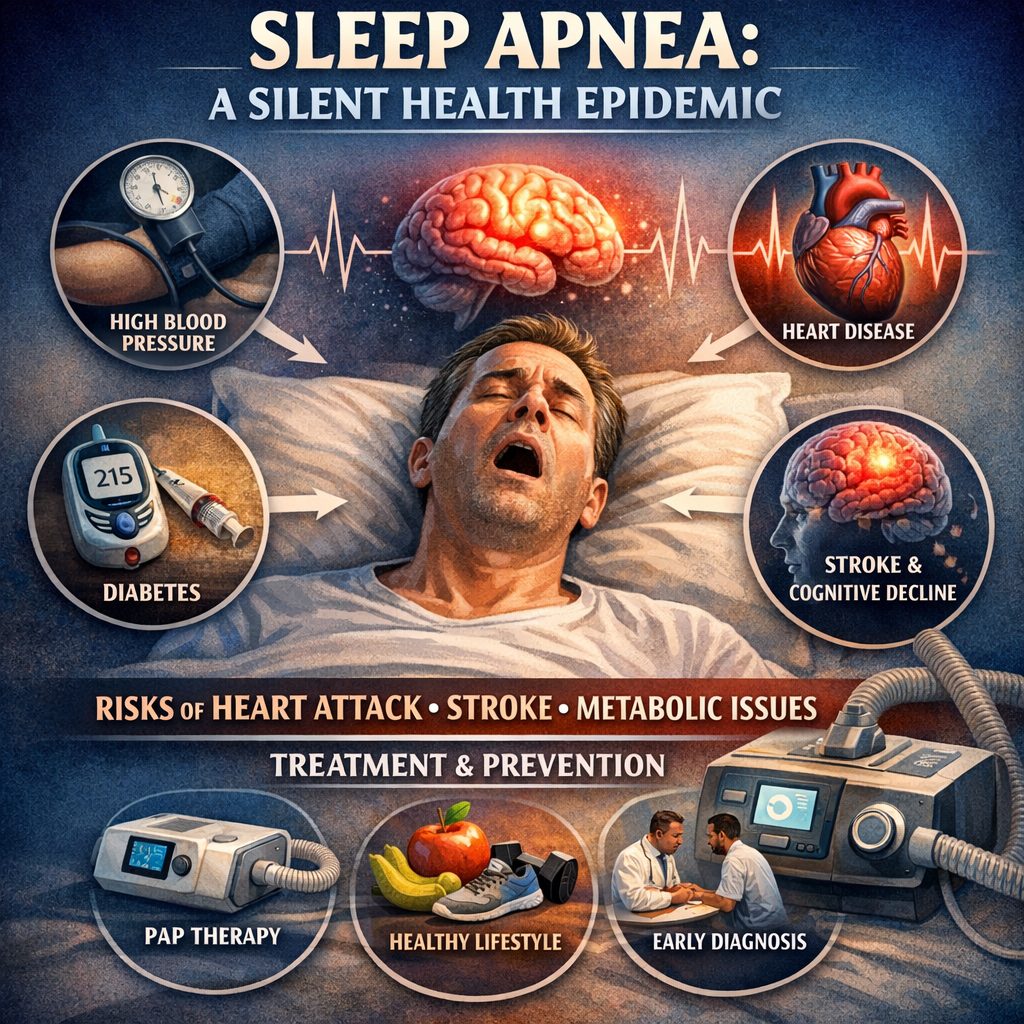
Sleep apnea occurs when the muscles in the back of the throat fail to maintain airway openness (obstructive sleep apnea) or when the brain fails to signal the muscles controlling breathing (central sleep apnea). Interruptions in breathing last from seconds to minutes and occur multiple times per night, severely affecting sleep quality. This disrupted rest stresses bodily systems, potentially leading to high blood pressure, heart disease, stroke, diabetes, depression, and cognitive impairment.
Recognizing the condition’s precise impact is fundamental. People might be unaware that symptoms like fatigue and daytime sleepiness can be signals of a deeper issue. This condition affects personal and social life with severe long-term health consequences if untreated. As research unveils links between sleep apnea and chronic conditions, it’s apparent that addressing this sleep disorder might enhance quality of life and forestall severe health issues.
Features
Recent research into sleep apnea’s connection to chronic health ailments is extensive. A prominent study in the *Journal of Clinical Sleep Medicine* indicates that individuals with **obstructive sleep apnea (OSA)** have a significantly elevated risk of developing hypertension and other cardiovascular diseases. The study found untreated sleep apnea correlates with a 30% increased risk of heart attack and a 60% higher risk of stroke. These findings underscore the necessity for effective diagnosis and treatment of sleep apnea to mitigate risks.
Further studies examine sleep apnea’s contribution to metabolic disorders. According to the *American Journal of Respiratory and Critical Care Medicine*, OSA frequently coincides with obesity and insulin resistance, critical factors in developing type 2 diabetes. The study suggests that intermittent hypoxia during apnea events might contribute to insulin resistance by triggering stress pathways and inflammatory responses.
Ongoing research explores sleep apnea’s neurological implications as well. Recent findings indicate a link between OSA and cognitive decline. A comprehensive study in *Neurology* suggests severe sleep apnea may accelerate cognitive aging, causing memory loss and impaired judgment. Researchers emphasize early intervention to preserve cognitive health.
Treatment options have been explored, showing that **positive airway pressure (PAP) therapy** effectively manages sleep apnea symptoms. Additional lifestyle modifications, such as weight loss, positional therapy, and personalized exercises, are recommended to reduce symptom severity and improve overall health outcomes.
Conclusion
Addressing sleep apnea reveals this condition as more than just a sleep disturbance; its profound health impacts intertwine significantly with pressing chronic conditions. Recognizing sleep apnea as a potential underlying cause opens new avenues for prevention and treatment, possibly curbing the prevalence and severity of related chronic diseases.
Early diagnosis remains crucial, and proactive symptom recognition, sleep studies, and adherence to treatments can substantially improve health outcomes. For those facing unexplained fatigue, persistent tiredness, or chronic conditions without clear causes, evaluating sleep apnea’s presence could be transformative. Understanding and addressing this condition may unlock pathways to better health, ensuring longer, healthier, and more fulfilling lives. As research unfolds, there’s hope for more individualized and effective interventions beyond traditional sleep medicine.
**Concise Summary:**
Sleep apnea, often trivialized as snoring, is emerging as a hidden epidemic with profound health implications, affecting around 18 million Americans. This condition, characterized by interrupted breathing during sleep, leads to impaired rest and is linked to obesity, diabetes, cardiovascular diseases, and cognitive decline. Research underscores early diagnosis and treatment, such as **PAP therapy** and lifestyle changes, for mitigating these risks. Recognizing and addressing sleep apnea can prevent severe health issues, enhancing life quality and longevity. As understanding expands, opportunities for more effective interventions continue to grow.

Dominic E. is a passionate filmmaker navigating the exciting intersection of art and science. By day, he delves into the complexities of the human body as a full-time medical writer, meticulously translating intricate medical concepts into accessible and engaging narratives. By night, he explores the boundless realm of cinematic storytelling, crafting narratives that evoke emotion and challenge perspectives.
Film Student and Full-time Medical Writer for ContentVendor.com