Decode the Silent Epidemic: How Subtle Airway Obstructions May Be Crippling Your Long-term Health and Performance
In our fast-paced world, maximizing **health** and **performance** has become a top priority. We focus on **exercise**, **nutrition**, and **productivity hacks**, aiming for that elusive peak performance. Yet, an invisible and misunderstood factor may be slyly undermining these efforts: subtle **airway obstructions**. Sometimes overlooked, these obstructions can have a profound impact on both health and performance.
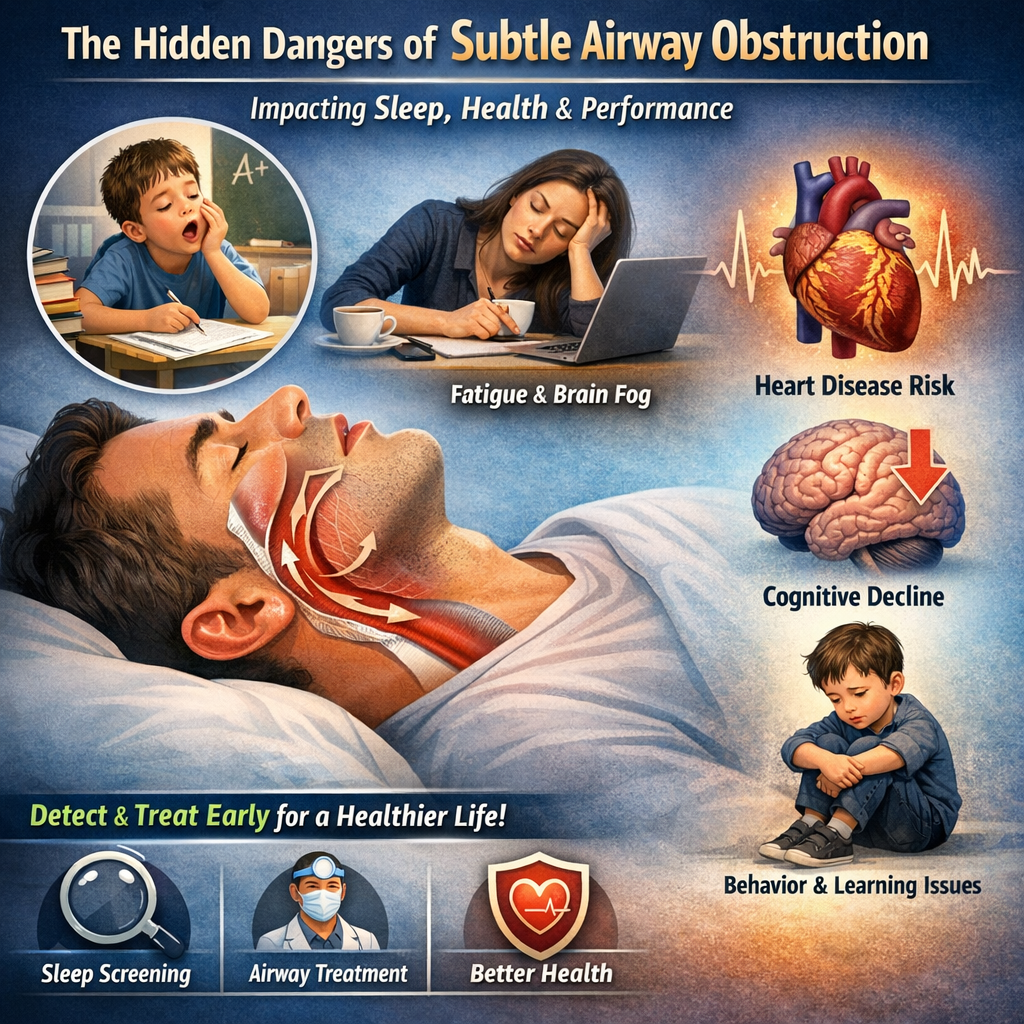
**Sleep apnea**, often associated with dramatic **snoring** or gasping episodes during sleep, is one of the more well-known airway obstructions. However, its subtler forms can lie undetected and wreak havoc on your life quality. Many people experience mild, undiagnosed versions that do not stop breathing altogether but lead to disrupted sleep patterns. These minor obstructions may present themselves as repetitive pauses in breathing, caused by the narrowing or complete blockage of the upper airway during sleep. Sadly, this **sleep fragmentation** goes unnoticed until it manifests in more obvious symptoms like chronic fatigue, difficulty concentrating, or increased irritability.
The lack of deep, restorative sleep stages can lead to a cascade of health issues. Research indicates a strong link between sleep quality and **cardiovascular health**, **cognitive function**, and **immune system efficiency**. When we fail to reach those critical stages of deep sleep, our bodies can’t fully recuperate, leading to increased risks of heart disease, memory problems, and weakened defense against infections. To expand, poor sleep quality has also been associated with metabolic issues, weight gain, and even an increased risk of developing certain types of cancer. Sleep is a crucial time for the body to repair itself and manage hormone levels, which, when disrupted, can lead to numerous chronic health problems.
This condition affects both adults and children. In youth, it can lead to behavioral issues, hindered academic performance, and exaggerated hyperactivity. In adults, it is associated with increased workplace accidents and decreased productivity. Beyond immediate health effects, the long-term consequences of unidentified airway obstructions are profound and multifaceted. In children, the subtle disruptions in sleep can lead to developmental delays and pose challenges in social interactions, sometimes mistaken for other behavioral conditions, further complicating appropriate care and intervention.
But how do these obstructions come about, and more importantly, what can be done to decode and address this silent epidemic?
Emerging evidence from several professional studies sheds light on the prevalence and covert impact of airway obstructions. A landmark study published in the *American Journal of Respiratory and Critical Care Medicine* found that up to 50% of adults experience some form of sleep-disordered breathing. The research highlights that even without full apnea events, partial obstructions significantly downgrade sleep quality and overall well-being.
Furthermore, a vital study conducted by the *Journal of Clinical Sleep Medicine* demonstrated that subtle airway restrictions correlate with increased **inflammation markers** in the body. Chronic low-grade inflammation has been established as a precursor to various chronic illnesses, including **cardiovascular diseases** and **metabolic disorders**. This research emphasizes the vital need for early detection and intervention, ideally focusing on improving airway patency to preempt these downstream health issues.
In children, the impact can be more acute. A study in the journal *Pediatrics* reported that kids with minor airway obstructions were significantly more likely to face attention deficits and learning disabilities. The research stresses considering airway health as a crucial facet of pediatric care, with interventions potentially including **orthodontic treatment** to address anatomical factors that contribute to airway blockages.
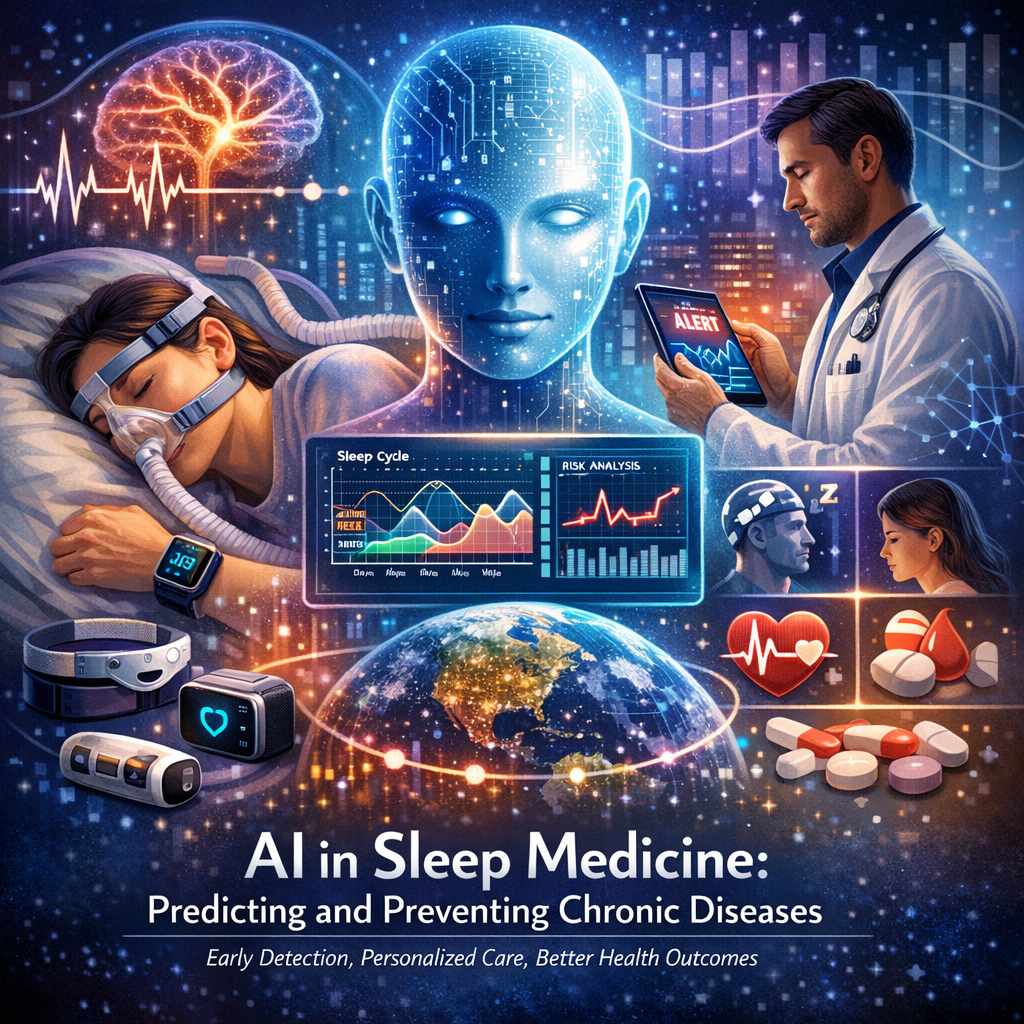
Screening and diagnosis techniques have advanced remarkably, making it easier to identify these insidious obstacles to health. Methods like home sleep testing and portable monitoring have democratized access to essential sleep disorder diagnoses, which were once limited to expensive, clinical sleep studies. These advancements allow for greater awareness and management of potential airway and sleep issues, ensuring individuals can receive timely and appropriate care.
In conclusion, while the focus on achieving optimal **health** and **performance** is widespread, it is crucial to acknowledge the silent epidemic of subtle airway obstructions as a significant barrier. The consequences of undiagnosed and untreated sleep-disordered breathing extend far beyond nightly restlessness. They infiltrate every aspect of life, affecting **cardiovascular health**, **cognitive abilities**, and overall vitality.
Recognizing the signs and seeking timely diagnosis is vital. This proactive approach allows individuals to reclaim their sleep quality and, consequently, their overall health and productivity. As awareness grows, continuous advancements in diagnosis and treatment can enable us to address this hidden challenge effectively. Prioritizing our airways may just be the secret to unlocking a healthier, more vibrant existence.
By staying informed and taking action, we ensure that silent obstructions remain a problem of the past, not an obstacle of the future. For lasting health and peak performance, let us breathe easy, sleep soundly, and live fully.
**Concise Summary:**
Subtle airway obstructions, often overlooked, can impair sleep quality and overall health, affecting both adults and children. Mild forms of sleep apnea can lead to cognitive deficits, cardiovascular issues, and increased workplace accidents. Studies show a correlation between airway obstructions and inflammation, emphasizing early intervention. Advances in diagnostic technology facilitate the detection of sleep disorders, promoting better health outcomes. Recognizing and addressing these issues can enhance quality of life, emphasizing the importance of airway health in achieving peak performance.

Dominic E. is a passionate filmmaker navigating the exciting intersection of art and science. By day, he delves into the complexities of the human body as a full-time medical writer, meticulously translating intricate medical concepts into accessible and engaging narratives. By night, he explores the boundless realm of cinematic storytelling, crafting narratives that evoke emotion and challenge perspectives.
Film Student and Full-time Medical Writer for ContentVendor.com