Why Your Partner’s Snoring Could Be a Hidden Indicator of Silent Cardiovascular Risk: A Deep Dive into the Data
Introduction
Snoring is often dismissed as a mere bedtime annoyance, a quirky characteristic many people and their partners tolerate. However, emerging research suggests this seemingly innocuous nighttime disturbance might carry significant **health risks**, particularly concerning **cardiovascular health**. The sound of snoring is caused by turbulent airflow, leading to throat tissue vibration. While occasional snoring can be normal and benign, habitual snoring—more than three nights a week—may indicate underlying health issues.
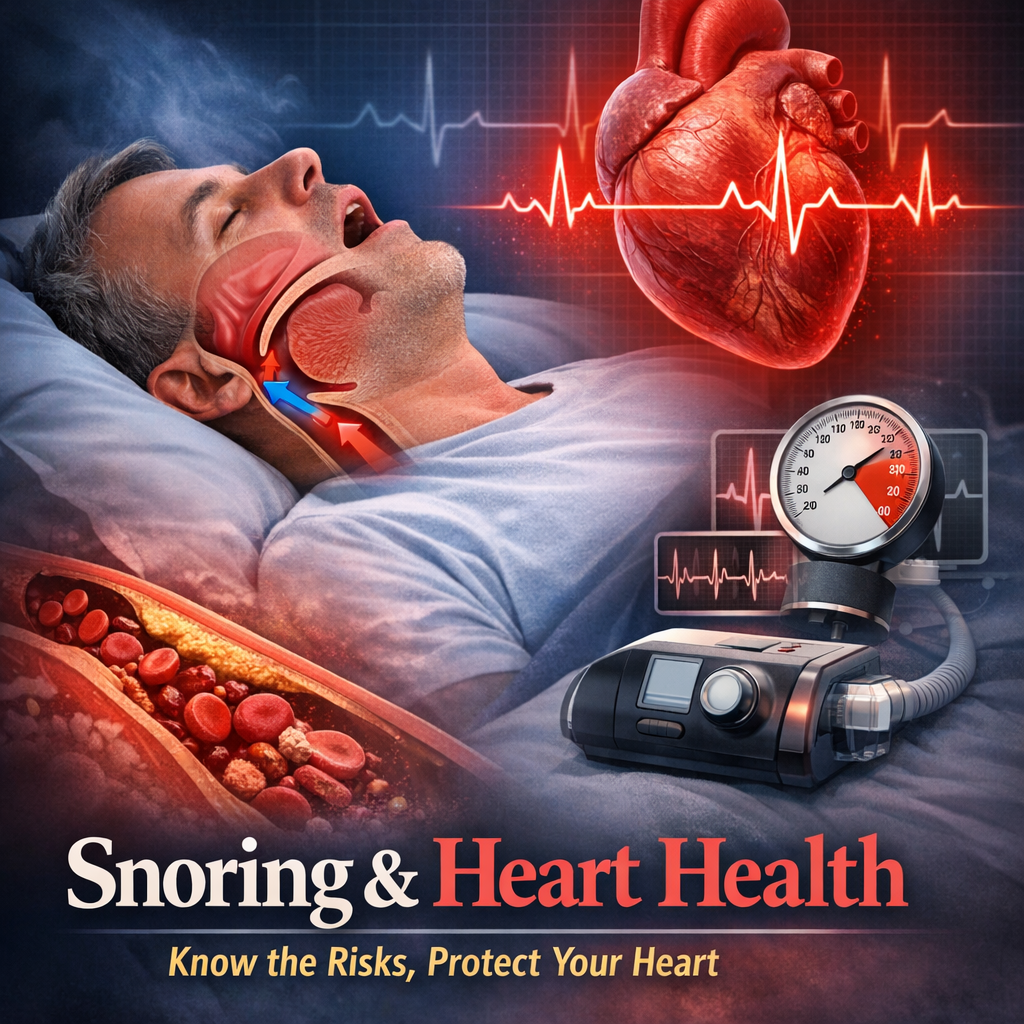
The connection between **snoring** and **cardiovascular problems** stems from the relationship between **obstructive sleep apnea (OSA)** and **heart health**. Epidemiological studies over the last decade have highlighted that people who suffer from habitual snoring are at a greater risk for conditions such as **hypertension**, **stroke**, and **heart disease**. The intermittent pauses in breathing caused by sleep apnea can lead to increased blood pressure, inflammation, and oxidative stress, all detrimental to cardiovascular health.
Moreover, the prevalence of sleep apnea and snoring is substantial. According to the [American Academy of Sleep Medicine](https://aasm.org/), approximately 25 million adults in the United States are affected by **sleep apnea**, with many more undiagnosed cases. These statistics underscore the importance of recognizing snoring as a potentially serious symptom rather than a trivial habit. As **sleep health** continues to gain attention in medical research, understanding the implications of snoring and its ties to cardiovascular risk becomes crucial for promoting healthy living across all ages.
While the immediate effects of snoring, such as sleep disruption for both the snorer and their partner, are well-known, the long-term health implications demand deeper scrutiny. This article explores the scientific findings that link snoring to cardiovascular risk, highlighting studies that have led experts to advocate for increased awareness and screening for sleep-related breathing disorders. By acknowledging and addressing snoring as a health concern, individuals and healthcare providers can better manage associated risks and improve overall wellbeing.
Features
Recent studies have provided compelling evidence linking chronic snoring with heightened cardiovascular risk. One landmark study highlighted in the [Journal of the American College of Cardiology](https://www.jacc.org) revealed that patients with untreated **obstructive sleep apnea** had a significantly higher incidence of cardiovascular disease. The intermittent hypoxia—periods of low oxygen levels—experienced during episodes of apnea contribute to developing hypertension, a well-known risk factor for heart disease and stroke.
Further research published in [The Lancet](https://www.thelancet.com) found that untreated severe sleep apnea was associated with a 2.5-fold increased risk of **nocturnal atrial fibrillation**, a serious irregular heart rhythm that can lead to strokes. These studies emphasize the physiological stress imposed on the cardiovascular system by disrupted breathing during sleep.
A study conducted by the [European Respiratory Journal](https://erj.ersjournals.com) examined the consequences of snoring and sleep apnea on different age groups. It was found that individuals under 50 with sleep apnea were at a higher relative risk for early onset hypertension than older age groups, illuminating the silent but profound impact of sleep disorders on young adults. This reinforces the call for greater diagnostic vigilance across all ages.
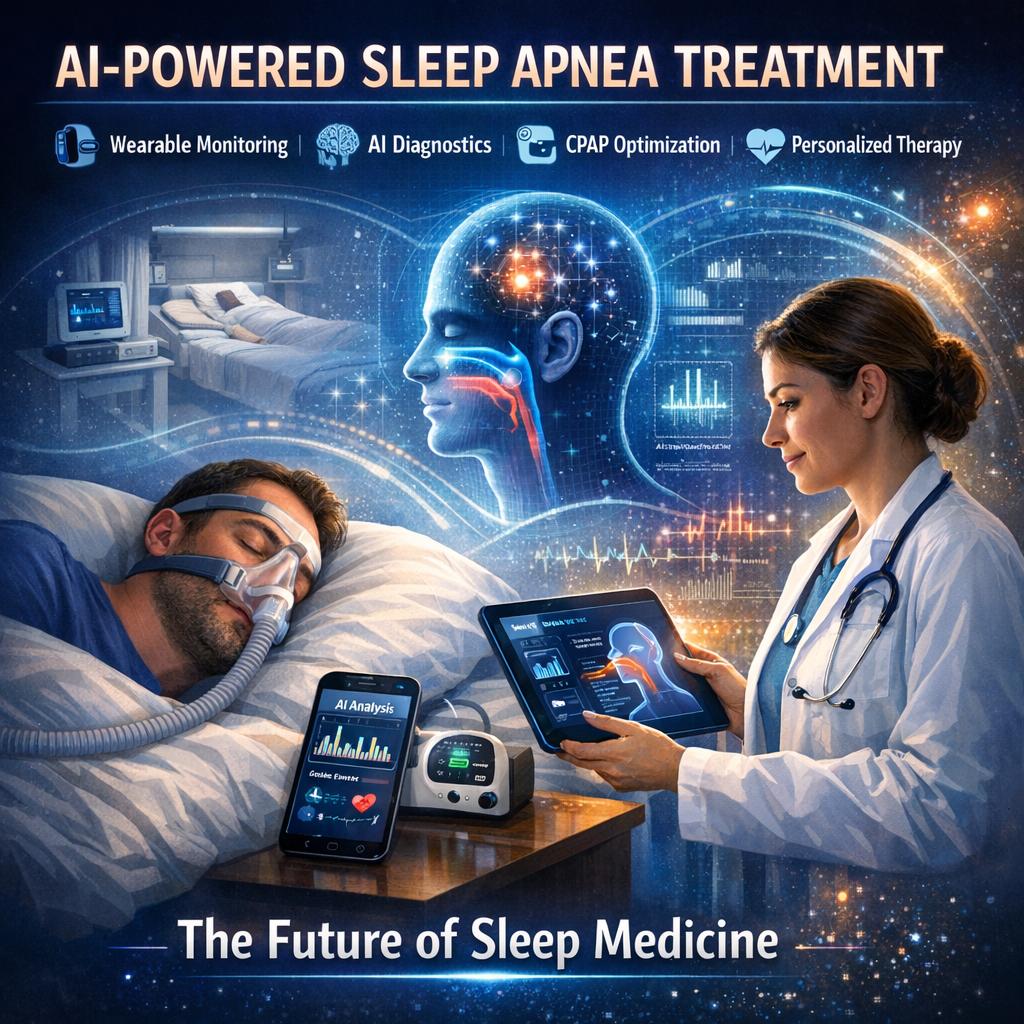
In terms of intervention, using **Continuous Positive Airway Pressure (CPAP)** devices has shown significant efficacy in mitigating the cardiovascular risks associated with sleep apnea. A study published by the [New England Journal of Medicine](https://www.nejm.org) demonstrated that CPAP therapy, which keeps the airway open during sleep, can lower blood pressure, reduce systemic inflammation, and improve overall cardiovascular health in patients with sleep apnea.
The data clearly articulates the need to view snoring not merely as an annoyance but as a potential cardiovascular red flag. Medical professionals encourage routine screenings and open discussions regarding snoring and sleep patterns during health evaluations to better assess and manage associated risks.
Conclusion
While snoring might seem innocuous, it can serve as a critical indicator of potential cardiovascular issues lurking beneath the surface. Given the intricate relationship between **sleep apnea** and **heart health**, the importance of recognizing snoring as more than just a social inconvenience cannot be understated. Routine screenings and effective interventions like CPAP therapy can significantly mitigate the risk factors associated with snoring-induced cardiovascular problems. By increasing awareness and addressing snoring from a health perspective, individuals can make informed decisions and pursue proactive strategies for enhancing their overall wellbeing. The message is clear: don’t ignore the nightly symphony; it might just be your body’s way of sounding an alarm.
**Concise Summary**
Snoring, often seen as a mere annoyance, is linked to significant cardiovascular risks, notably through its association with obstructive sleep apnea (OSA). Studies reveal that habitual snorers face increased risks of hypertension, heart disease, and stroke. Notably, apnea-related breathing disruptions raise blood pressure and inflammation, further stressing the heart. Roughly 25 million U.S. adults suffer from undiagnosed sleep apnea, emphasizing snoring as more than trivial. Effective interventions, like CPAP therapy, combat cardiovascular threats. Routine screenings and awareness can aid early intervention, shifting the perception of snoring to a potential health warning.

Dominic E. is a passionate filmmaker navigating the exciting intersection of art and science. By day, he delves into the complexities of the human body as a full-time medical writer, meticulously translating intricate medical concepts into accessible and engaging narratives. By night, he explores the boundless realm of cinematic storytelling, crafting narratives that evoke emotion and challenge perspectives.
Film Student and Full-time Medical Writer for ContentVendor.com