Unlocking the Brain-Heart Connection: How Sleep Apnea Diagnostics Could Revolutionize Cardiac Health
Introduction
**Sleep apnea**, a condition characterized by repeated interruptions in breathing during sleep, affects millions worldwide but often goes **undiagnosed**. While commonly associated with snoring and daytime fatigue, its implications extend far beyond disrupted sleep patterns. Recent research has illuminated a growing connection between sleep apnea and **cardiac health**, suggesting that advancements in sleep apnea diagnostics could revolutionize the prevention and treatment of cardiac diseases.
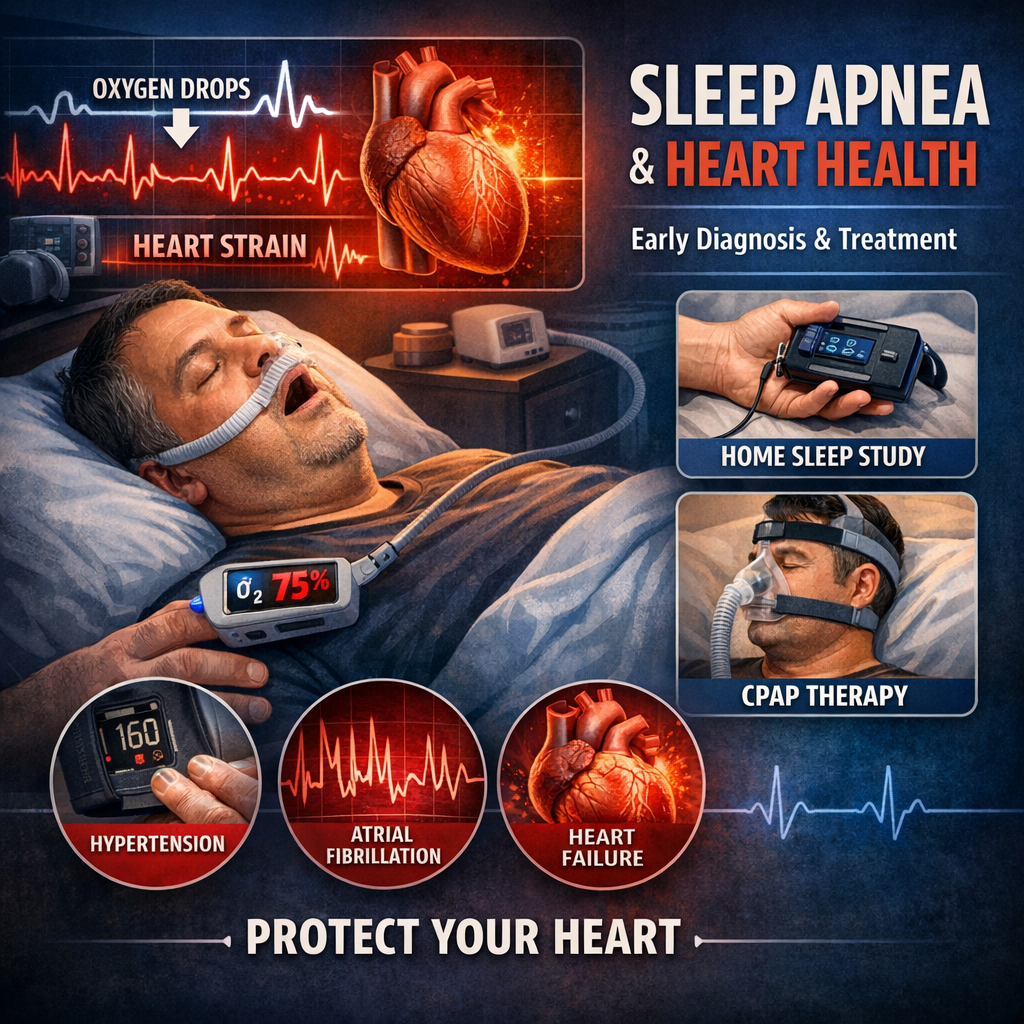
The **link between the brain and heart**, intertwined through the autonomic nervous system, becomes strained under conditions of sleep deprivation or irregular breathing patterns. **Obstructive sleep apnea (OSA)**, the most common form of the disorder, causes intermittent reductions or pauses in airflow due to blocked upper airways. Each episode, lasting from a few seconds to minutes, leads to drops in **blood oxygen levels** that can strain the cardiovascular system.
This cyclical pattern of **oxygen deprivation** triggers stress responses from the brain, influencing heart rate, blood pressure, and vascular tone. Over time, these disruptions may contribute to hypertension, atrial fibrillation, heart failure, and other cardiovascular complications. Accordingly, early detection and treatment of sleep apnea could play a crucial role in mitigating these risks.
In addition to cardiovascular effects, the cumulative burden of sleep apnea on mental and physical health can exacerbate pre-existing heart conditions. Research increasingly supports the notion that apnea-induced stress on the heart accelerates the progression of cardiac diseases, making timely and accurate diagnosis critical.
With advances in **medical technology**, such as at-home sleep studies and portable diagnostic tools, identifying sleep apnea has become more accessible and cost-effective. These innovations allow for early interventions, potentially preventing severe cardiac events, improving sleep quality, and enhancing overall well-being. Thus, integrating **sleep apnea evaluations** into routine cardiac assessments could yield transformative health benefits.
Features
Several studies underscore the interwoven relationship between sleep apnea and cardiac health. A pivotal study led by the [National Heart, Lung, and Blood Institute (NHLBI)](https://www.nhlbi.nih.gov/sleep-apnea-study) found that individuals with untreated severe obstructive sleep apnea are at an increased risk for heart failure and atrial fibrillation. The research highlighted how recurrent drops in blood oxygen during sleep apnea episodes heighten **sympathetic nervous activity**, leading to elevated blood pressure and heart strain.
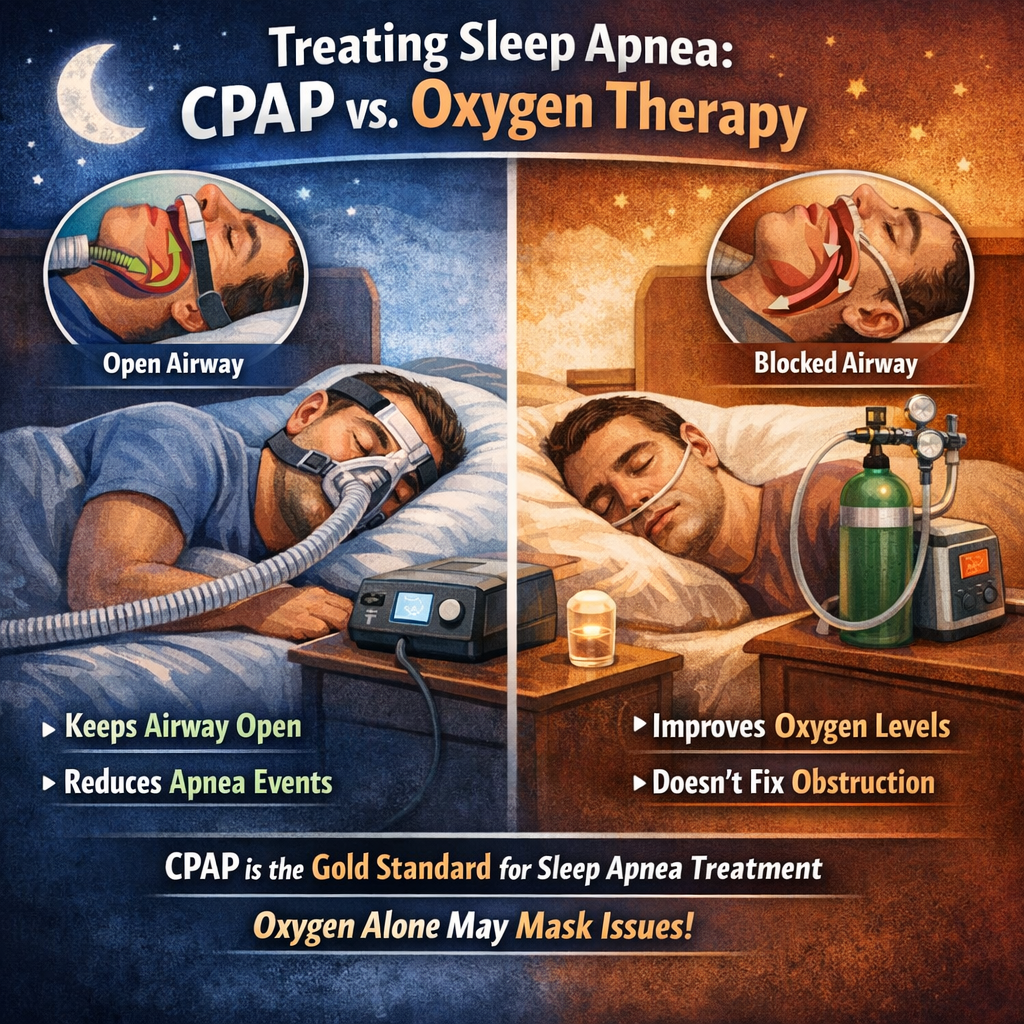
Moreover, a comprehensive analysis published in the [Journal of the American College of Cardiology (JACC)](https://www.jacc.org/research/sleep-apnea-heart-disease) examined sleep apnea’s impact on cardiovascular health. It revealed that patients with untreated sleep apnea frequently exhibit elevated biomarkers associated with heart damage and inflammation. This study further emphasized the role of **continuous positive airway pressure (CPAP) therapy** in mitigating these effects by maintaining stable oxygen levels and reducing cardiovascular stress.
Another critical piece of research from the [American Heart Association (AHA)](https://www.heart.org/metabolic-syndrome-sleep-apnea) explored the relationship between sleep apnea and **metabolic syndrome**—a cluster of conditions increasing the risk of heart disease, stroke, and diabetes. The study demonstrated that effective treatment of sleep apnea could significantly reduce the prevalence of metabolic syndrome elements, such as elevated glucose levels and lipid imbalances, enhancing cardiac health outcomes.
These studies provide compelling evidence for incorporating sleep apnea diagnostics into standard cardiac care routines. By identifying and addressing sleep apnea early, healthcare providers can reduce the incidence of adverse cardiac events and improve patients’ quality of life. As the understanding of sleep apnea’s broad health implications expands, the potential for enhancing cardiac health through focused diagnostics and interventions becomes increasingly apparent.
Conclusion
In conclusion, the evolving insights into the brain-heart connection underscore the critical role that sleep apnea diagnostics can play in advancing cardiac health. By pinpointing and addressing sleep apnea in its nascent stages, medical practitioners can alleviate sleep-related symptoms and reduce broader cardiovascular risks. As diagnostic technology evolves and becomes more accessible, integrating these assessments into routine health evaluations offers a promising avenue for revolutionizing cardiac care.
The future of heart health may depend on our ability to connect the dots between sleep and cardiovascular systems. Prioritizing sleep apnea diagnosis and management promises to enhance individual health outcomes and speaks to a broader shift towards preventive and holistic health approaches. With the potential to significantly influence both short- and long-term cardiac health, embracing sleep apnea diagnostics could usher in a new era for cardiac disease management and prevention.
Concise Summary
Sleep apnea, often undiagnosed, links to significant cardiac illnesses like hypertension and heart failure through stress responses affecting heart rates and blood pressure. With technological advancements in diagnostics, sleep apnea evaluations can transform cardiac care. Studies demonstrate that untreated sleep apnea heightens cardiovascular risks, but early detection and CPAP therapy mitigate these effects. Embracing sleep apnea diagnostics in routine assessments can enhance cardiac health, underscoring a shift towards preventive and holistic care. Such approaches promise improved long-term cardiac health and a potential revolution in disease management and prevention.

Dominic E. is a passionate filmmaker navigating the exciting intersection of art and science. By day, he delves into the complexities of the human body as a full-time medical writer, meticulously translating intricate medical concepts into accessible and engaging narratives. By night, he explores the boundless realm of cinematic storytelling, crafting narratives that evoke emotion and challenge perspectives.
Film Student and Full-time Medical Writer for ContentVendor.com