The Unseen Connection: How Sleep Apnea May Be Undermining Your Metabolic Health and Longevity
Sleep is often romanticized as a state of tranquility and rejuvenation, yet for millions worldwide, this essential repose is frequently disturbed by a stealthy disruptor known as **sleep apnea**. Characterized by repeated interruptions in breathing during sleep, sleep apnea not only shatters the illusion of rest but casts a long, hidden shadow over our **metabolic health** and **longevity**.
To begin understanding this connection, it’s crucial to recognize the two primary forms of sleep apnea: **Obstructive Sleep Apnea (OSA)** and **Central Sleep Apnea (CSA)**. OSA, the more prevalent kind, results from a physical blockage of the airway during sleep, often due to the relaxation of the throat muscles. CSA, relatively rarer, occurs when the brain fails to send necessary signals to the muscles that control breathing. Despite their differences, both types result in fragmented sleep, diminished oxygen supply, and, importantly, significant stress on the cardiovascular system.
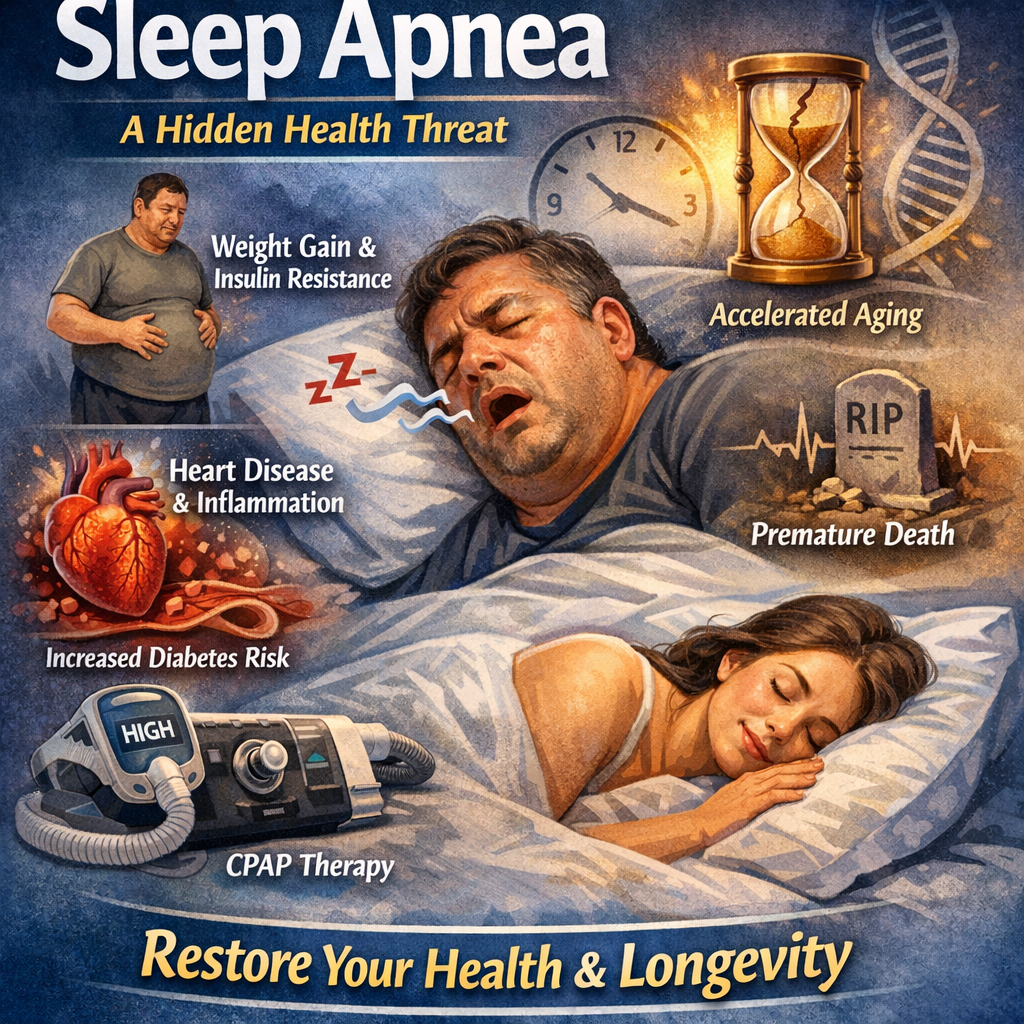
This continuous physiological stress manifests in various **metabolic disturbances**. A growing body of research links sleep apnea with **insulin resistance**, a pre-diabetic condition where cells in the body become less responsive to insulin, leading to elevated blood sugar levels. This is particularly concerning because insulin resistance is a cornerstone of **metabolic syndrome**—a cluster of conditions including hypertension, high blood sugar, excess body fat around the waist, and abnormal cholesterol levels—all of which significantly increase one’s risk of heart disease, stroke, and diabetes.
Moreover, sleep apnea’s prevalence in individuals with **obesity**—a well-known risk factor for **type 2 diabetes** and **cardiovascular disease**—creates a vicious cycle. Excess weight contributes to OSA through increased fatty deposits around the upper airway, and concurrently, poor sleep quality exacerbates weight gain by altering **appetite hormones**, specifically increasing **ghrelin** (an appetite stimulant) and decreasing **leptin** (an appetite suppressor). This hormone imbalance, coupled with daytime fatigue that discourages physical activity, further perpetuates the cycle of metabolic deterioration.
The implications extend beyond metabolic health, affecting longevity. Chronic sleep apnea can lead to persistent low-grade inflammation, another key player in accelerated aging and chronic diseases. The intermittent hypoxia (oxygen deprivation) experienced during apnea episodes triggers **oxidative stress**, which damages cells and tissues, and contributes to the aging process. Furthermore, sleep apnea is associated with an increased risk of accidents, due to fatigue-related impairments in concentration and alertness, thus indirectly affecting life expectancy.
Features:
A number of **medical studies** underscore the profound impact of sleep apnea on metabolic health and longevity. For instance, researchers in a study published in the [Journal of Clinical Endocrinology & Metabolism](https://academic.oup.com) found that untreated sleep apnea was closely associated with increased markers of insulin resistance and glucose intolerance. They observed that patients with severe OSA had significantly higher levels of **hemoglobin A1c**—a measure of blood sugar control over time—compared to their counterparts without sleep apnea.
Moreover, a pivotal study in the [American Journal of Respiratory and Critical Care Medicine](https://www.atsjournals.org) illustrated the connection between sleep apnea and cardiovascular risk. The researchers discovered that individuals with untreated severe OSA had three times higher risk of developing hypertension than those without the disorder. This finding highlights the critical role of sleep apnea in the **pathogenesis of cardiovascular disease**, reaffirming the importance of early diagnosis and management.
In terms of longevity, insights gleaned from the [Sleep Heart Health Study](https://pubmed.ncbi.nlm.nih.gov) revealed that sleep apnea independently predicts increased mortality, particularly due to cardiovascular causes. This large-scale study indicated that even mild to moderate sleep apnea could elevate mortality risk, emphasizing the urgent need for effective interventions.
On a hopeful note, **continuous positive airway pressure (CPAP)** therapy, the gold standard treatment for OSA, has been shown to improve metabolic parameters significantly. A study published in the [New England Journal of Medicine](https://www.nejm.org) demonstrated improved insulin sensitivity and a reduction in blood pressure among obese patients with OSA undergoing CPAP therapy, signifying a potential reversal of some adverse metabolic effects associated with the condition.
Conclusion:
The unassuming nature of sleep apnea belies its profound impact on metabolic health and longevity. Through its pervasive influence on insulin resistance, weight gain, cardiovascular stress, and inflammation, sleep apnea creates silent disruptions in the body’s equilibrium, hastening the advent of chronic diseases and potentially shortening lifespan. Recognizing these links underscores the importance of timely diagnosis and treatment—not just as a means of restoring rest, but as a crucial strategy in safeguarding long-term health and well-being.
For those troubled by the signs of sleep apnea—a snore that echoes like an alarm in the night, daytime fatigue that bleeds through the day—seeking medical advice can illuminate the path to intervention. The interplay between sleep, metabolic health, and longevity is both intricate and significant, highlighting an essential truth: investing in sleep quality today is an investment in a healthier, longer-lasting tomorrow.
**Concise Summary:**
Sleep apnea disrupts rest and adversely affects metabolic health and longevity. Characterized by interrupted breathing during sleep, it induces insulin resistance, exacerbates obesity, and increases cardiovascular risks. Studies link untreated sleep apnea with heightened mortality, especially from cardiovascular causes. Ongoing research and treatments like CPAP therapy offer hope by improving metabolic functions. Diagnosing and managing sleep apnea is vital for preventing chronic diseases and enhancing life expectancy, underscoring the importance of investing in quality sleep for a healthier future.

Dominic E. is a passionate filmmaker navigating the exciting intersection of art and science. By day, he delves into the complexities of the human body as a full-time medical writer, meticulously translating intricate medical concepts into accessible and engaging narratives. By night, he explores the boundless realm of cinematic storytelling, crafting narratives that evoke emotion and challenge perspectives.
Film Student and Full-time Medical Writer for ContentVendor.com