The Sleep Apnea Paradox: How Breathing at Night Could Be the Key to Unlocking Longevity
Introduction
**Sleep**, often regarded as a fundamental pillar of health, holds a fascinating interplay with our day-to-day vitality and long-term well-being. When the process of slumbering is disrupted by **sleep apnea**, the consequences can ripple through our lives in unexpected ways. Sleep apnea is a sleep disorder characterized by repeated interruptions in breathing during sleep. These interruptions can cause brief awakenings, resulting in fragmentary sleep that leaves sufferers feeling exhausted despite seemingly adequate rest. Yet, sleep apnea’s implications may extend far beyond fatigue—it may also hold keys to understanding **longevity**.
Breathing is a life-sustaining activity, yet disturbances in **respiratory patterns** at night, even subtle ones, can have profound repercussions. **Obstructive Sleep Apnea (OSA)** is the most common type of sleep apnea, occurring when throat muscles intermittently relax and block the airway during sleep. **Central Sleep Apnea (CSA)**, although less prevalent, emerges when the brain fails to send proper signals to the muscles controlling breathing. Research shows that over 18 million American adults experience sleep apnea, but many remain undiagnosed.
One might wonder, how does untreated sleep apnea affect longevity? Sleep apnea increases the risk of chronic health issues such as **cardiovascular disease**, hypertension, type 2 diabetes, and even stroke. The repeated drops in blood oxygen levels that occur during these apneic events can place undue strain on the heart, raising the risk of cardiovascular incidents. Moreover, the sleep fragmentation that results from apnea can lead to systemic inflammation and metabolic disruption, both of which are linked to decreased lifespan.
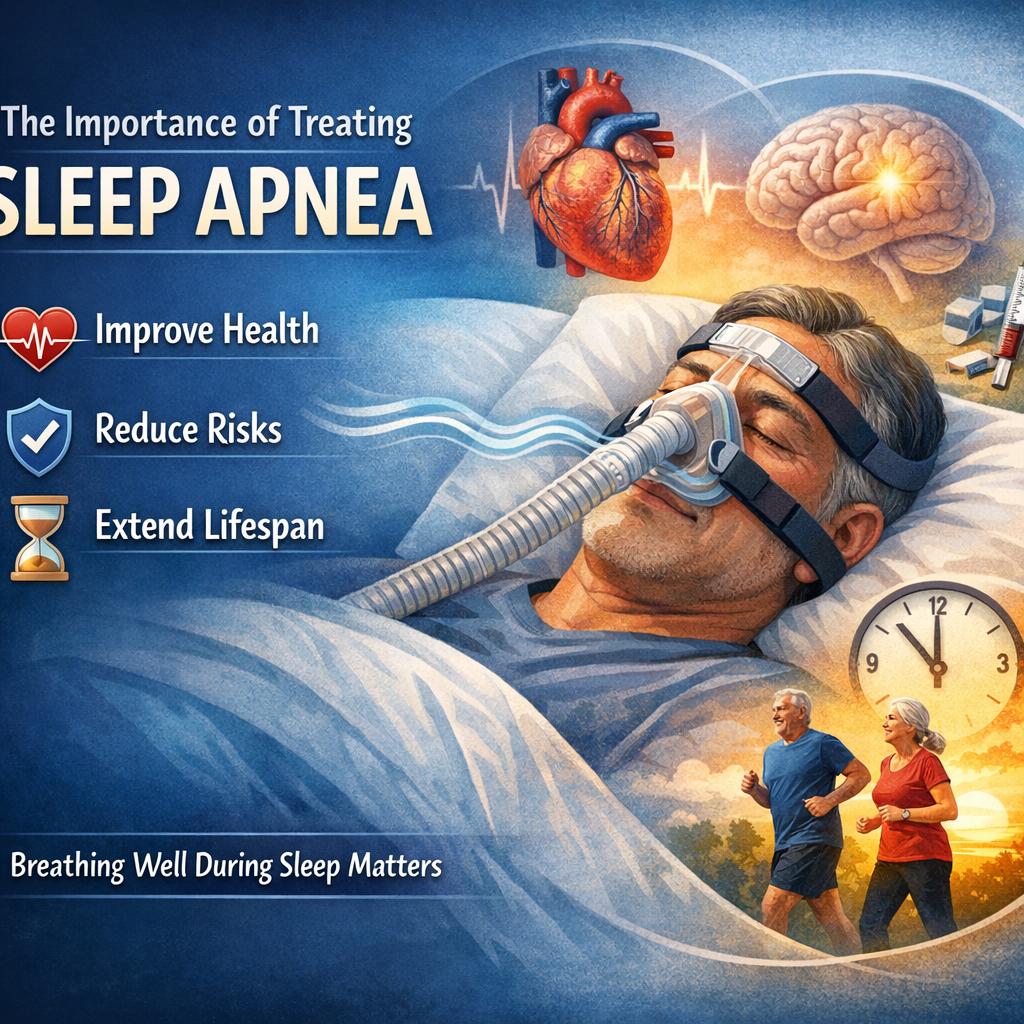
Yet, within this complex relationship lies a paradox: by effectively managing sleep apnea, we could potentially unlock pathways to improved health outcomes and increased longevity. **Continuous Positive Airway Pressure (CPAP)** therapy has shown success in managing sleep apnea by keeping airways open during sleep. This and other interventions highlight how recognizing and treating sleep apnea can significantly impact not just nightly rest but also overall health and lifespan.
Features
Numerous studies underline the critical impact of sleep apnea on health and longevity. For instance, a landmark study published in the American Journal of Respiratory and Critical Care Medicine found that sleep apnea significantly increased the risk of death in the elderly. The sleep apnea’s disruption of normal sleep cycles appears to accelerate age-related biological processes, suggesting a profound link between sleep quality and longevity.
The Sleep Heart Health Study, another notable study involving over 6,400 participants, illustrated the connection between untreated sleep apnea and cardiovascular events. The researchers discovered that severe, untreated sleep apnea increased the risk of fatal cardiovascular disease by 3.8 times in middle-aged adults. The implications of these findings emphasize the need for awareness and appropriate treatment strategies.
Moreover, the Wisconsin Sleep Cohort Study brings attention to the potential mitigation of these risks with treatment. The research showed that effective treatment of sleep apnea could reverse or substantially diminish the associated health risks. By using CPAP or undergoing surgical interventions like **uvulopalatopharyngoplasty (UPPP)**, patients experienced significant improvements in cardiovascular markers and overall quality of life.
In terms of neurological health, evidence from a study published in The Journal of Clinical Sleep Medicine showed that treating sleep apnea could help preserve cognitive function in the elderly, potentially staving off **dementia**. Since poor-quality sleep is a known contributor to cognitive decline, the implications for long-term brain health are profound.
The relationship between sleep apnea and metabolic health also deserves attention. Studies have linked sleep apnea with **insulin resistance**, a precursor to type 2 diabetes. Observational research indicates that CPAP therapy can improve insulin sensitivity, thereby reducing diabetes risk and improving metabolic function. These findings reinforce the importance of addressing sleep disorders as part of a comprehensive strategy to promote health and longevity.
Conclusion
The paradox of sleep apnea reveals a compelling narrative about how something as fundamental as breathing during sleep intertwines with our health and longevity. While untreated sleep apnea imposes significant health risks, the proactive management of this condition offers a pathway to mitigate these risks and enhance life expectancy. As research continues to unravel the intricate connections between sleep, breathing, and longevity, the importance of diagnosing and addressing sleep apnea becomes increasingly clear. In a world that often overlooks the subtlety of nighttime breath, understanding and treating sleep apnea could indeed translate into not only better health outcomes but also a meaningful extension of the healthy, vibrant years of life.
References
1. American Journal of Respiratory and Critical Care Medicine
2. Sleep Heart Health Study Detailed Information
3. Wisconsin Sleep Cohort Study
4. Journal of Clinical Sleep Medicine
5. Insulin Sensitivity Improvement with CPAP
Concise Summary
Sleep apnea significantly impacts health and longevity by increasing risks of cardiovascular disease, metabolic issues, and cognitive decline. However, effective management with CPAP therapy or surgery can mitigate these risks, improving quality of life and potentially extending lifespan. Studies emphasize the importance of diagnosing and treating this disorder as part of a comprehensive health strategy. The ongoing research highlights sleep apnea’s profound link to long-term health, underscoring the life-extension potential of interventions aimed at restoring healthy sleep patterns.

Dominic E. is a passionate filmmaker navigating the exciting intersection of art and science. By day, he delves into the complexities of the human body as a full-time medical writer, meticulously translating intricate medical concepts into accessible and engaging narratives. By night, he explores the boundless realm of cinematic storytelling, crafting narratives that evoke emotion and challenge perspectives.
Film Student and Full-time Medical Writer for ContentVendor.com