Breaking the Cycle: How Understanding Sleep Apnea Can Transform Your Approach to Chronic Disease Prevention
Introduction:
**Sleep** is an essential aspect of human health, playing a critical role in the regulation of various physiological processes, including immune function, metabolism, and cognitive performance. However, for millions of people worldwide, getting a restful night’s sleep remains elusive due to a condition known as **sleep apnea**. This common but often underdiagnosed **sleep disorder** has significant implications for **chronic disease**, making understanding and management a priority for healthcare providers and patients alike.
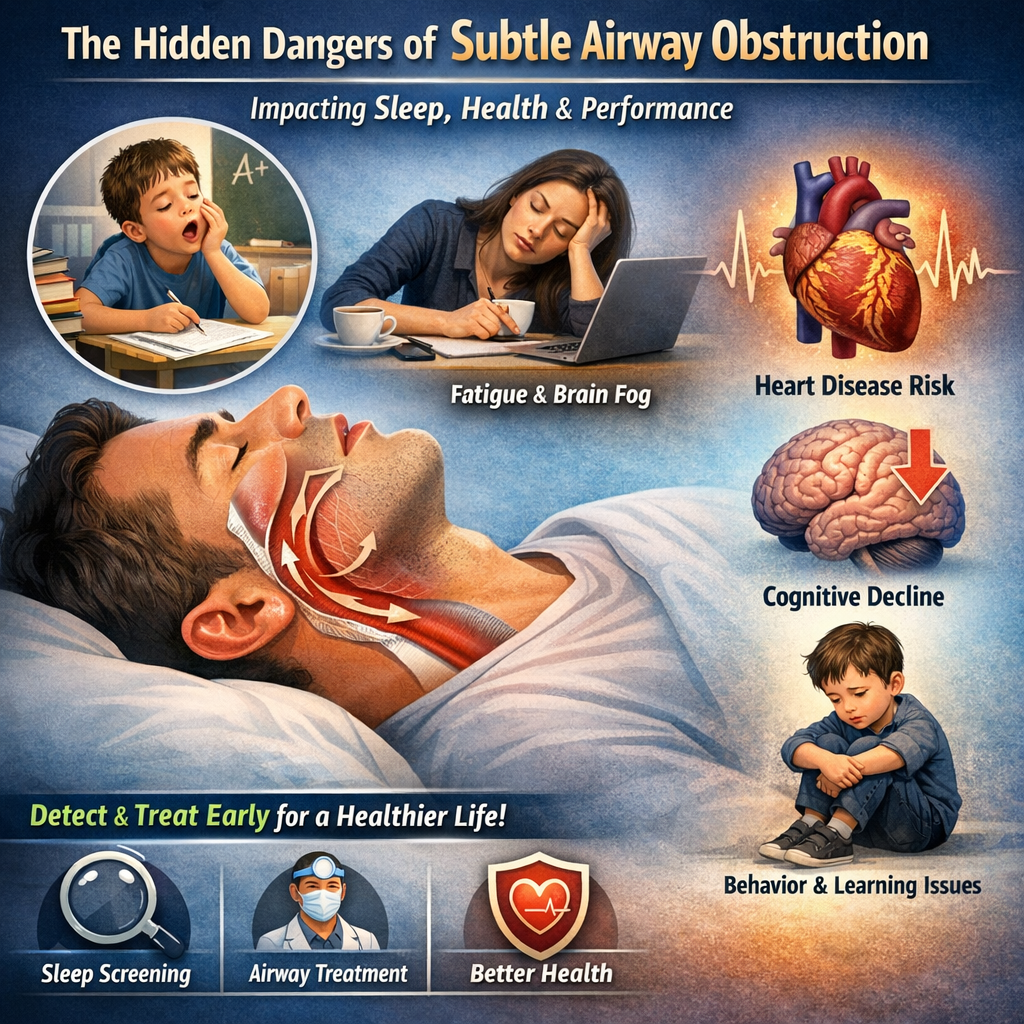
**Sleep apnea** is characterized by repeated interruptions in breathing during sleep. These interruptions can cause fragmented sleep and lead to a range of health issues. The most common type is **obstructive sleep apnea (OSA)**, which occurs when the muscles in the throat relax excessively and obstruct the airway. The less common **central sleep apnea** involves the brain failing to send appropriate signals to the muscles that control breathing.
Understanding sleep apnea goes beyond recognizing daily fatigue or snoring. It is intricately linked to a host of chronic diseases, such as **hypertension**, **cardiovascular disease**, **type 2 diabetes**, and **obesity**. This relationship stems from the body’s response to recurrent breathing pauses, which trigger a cycle of stress responses, increased blood pressure, and impaired glucose metabolism. Over time, these physiological disturbances can exacerbate or contribute directly to chronic health conditions.
Moreover, sleep apnea’s impact extends to **mental health**, with sufferers showing higher rates of **depression** and **anxiety**, creating a compounding effect on overall well-being. Current research suggests that effective management of sleep apnea not only alleviates sleep disturbances but may also offer a window of opportunity for chronic disease prevention or mitigation.
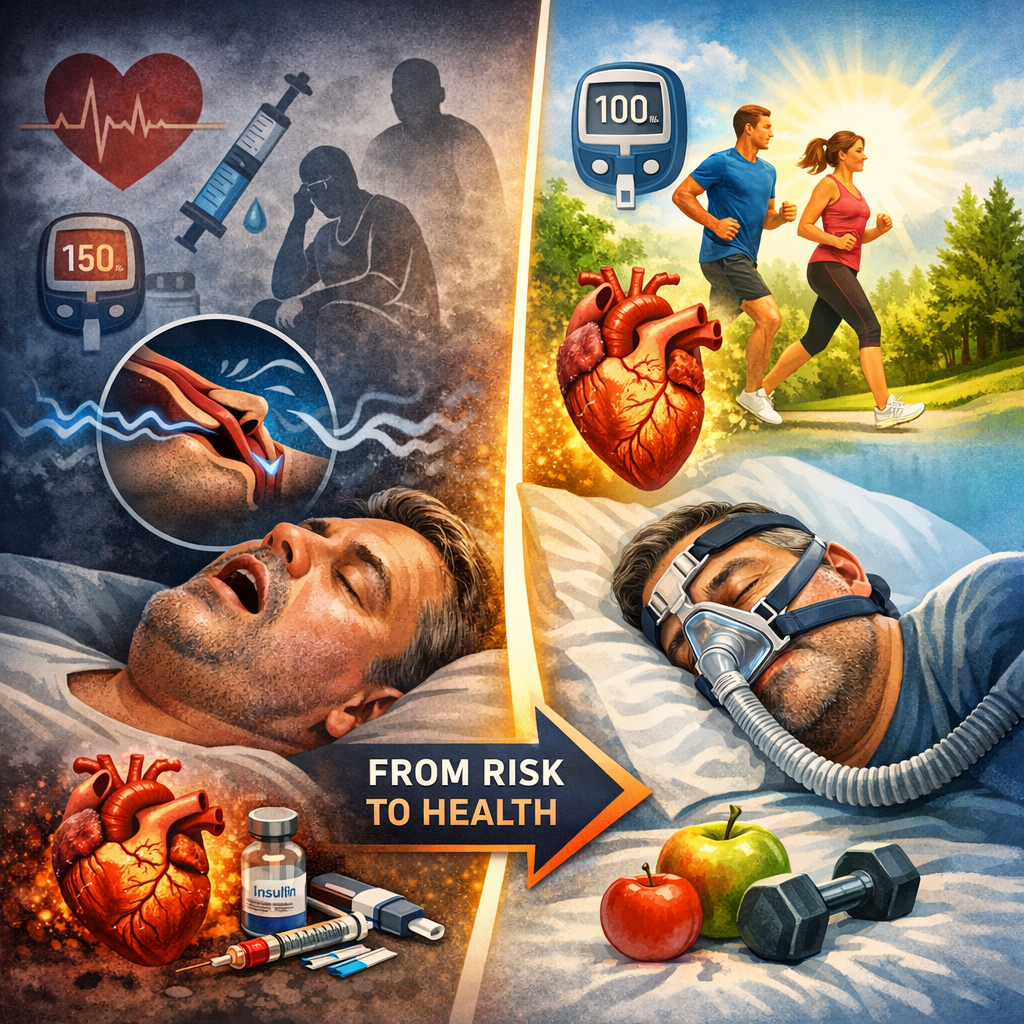
Recognizing the signs of sleep apnea and undergoing appropriate testing and treatment, such as **continuous positive airway pressure (CPAP)** therapy, can have profound ripple effects on long-term health outcomes. Beyond professional interventions, lifestyle modifications like weight loss, regular exercise, and avoiding alcohol before bedtime are crucial components of a comprehensive approach to managing sleep apnea and reducing chronic disease risk.
With increased awareness and proactive treatment strategies, individuals can break free from the sleep apnea cycle and harness the transformative potential of quality sleep for preventing chronic diseases.
Features:
Emerging research underscores the strong connection between sleep apnea and various chronic diseases, emphasizing the need for early detection and intervention. A comprehensive study published in the Journal of Clinical Sleep Medicine found that untreated sleep apnea significantly increases the risk of developing cardiovascular disease. The study revealed that individuals with severe OSA had a 2.5 times higher risk of developing heart conditions compared to those without the disorder.
Furthermore, a study in the American Journal of Respiratory and Critical Care Medicine highlighted the link between sleep apnea and insulin resistance, a precursor to type 2 diabetes. This research indicated that regular interruptions in sleep adversely impact glucose metabolism, suggesting that treating sleep apnea might improve insulin sensitivity and reduce diabetes risk.
In addition to cardiovascular and metabolic implications, sleep apnea has been associated with increased mental health challenges. According to a study in Sleep Medicine Reviews, individuals with sleep apnea are at a higher risk for depression and anxiety. This association may be due to the chronic sleep fragmentation that sleep apnea sufferers experience, adversely affecting mood regulation and overall quality of life.
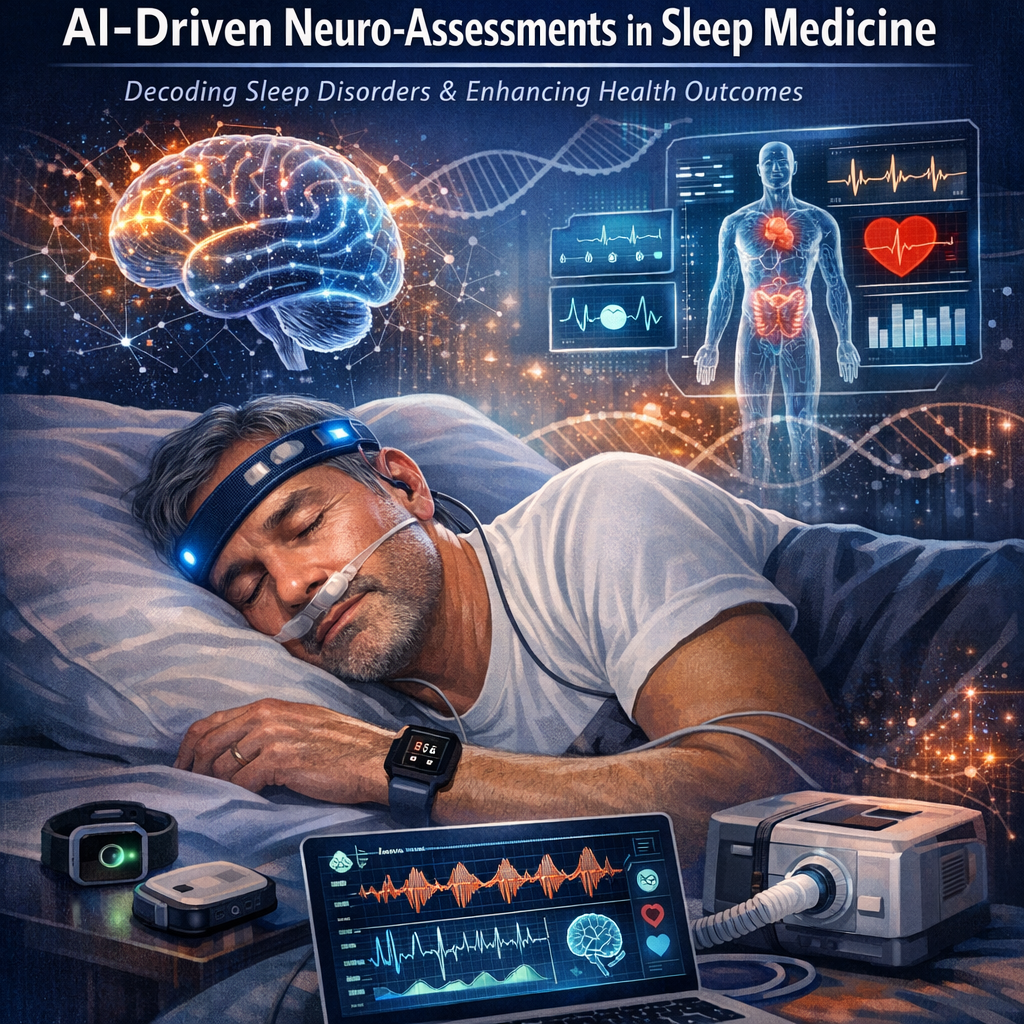
The relationship between sleep apnea and chronic disease underscores the importance of early diagnosis and comprehensive treatment. Innovations in diagnostic approaches, such as home sleep testing, have made it easier for individuals to seek assessment and care. These advances, coupled with enhanced treatment options like adaptive servo-ventilation, promise not only to alleviate sleep disturbances but also to mitigate the risks associated with chronic diseases.
Recognizing sleep apnea as a critical element in chronic disease prevention emphasizes the interconnected nature of bodily systems. It serves as a foundational insight for medical professionals and patients, illuminating pathways for improved health outcomes through effective management of sleep disturbances.
Conclusion:
Understanding sleep apnea and its profound impact on chronic disease offers a transformative potential for improving public health outcomes. By recognizing the signs and undertaking early intervention, individuals can alleviate the symptoms of sleep apnea and significantly reduce their risk of developing associated chronic diseases. Through comprehensive treatment strategies that include medical interventions and lifestyle modifications, the cycle of sleep disturbances and chronic health issues can be broken.
As research continues to highlight the intricate relationships between sleep quality and overall health, it becomes increasingly clear that addressing sleep apnea is not just about improving nightly rest but about paving the way for a healthier future. By prioritizing sleep health as an integral component of chronic disease prevention, we can unlock new possibilities for extending health spans and enhancing quality of life.
Overall, embracing the connection between sleep apnea and chronic diseases allows us to redefine our approach to prevention, fostering a more informed, healthier society.
**References:**
1. Journal of Clinical Sleep Medicine
2. American Journal of Respiratory and Critical Care Medicine
3. Sleep Medicine Reviews
**Concise Summary:**
Understanding and managing **sleep apnea** is pivotal in preventing **chronic diseases** like **cardiovascular disease**, **type 2 diabetes**, and **mental health issues** such as **depression** and **anxiety**. Studies emphasize the need for early detection and treatment, such as **CPAP therapy** and lifestyle changes, to mitigate these risks. Enhanced diagnostic methods and treatment innovations offer promising avenues for improving overall health outcomes and extending quality of life. Fostering awareness and proactive strategies can break the cycle of sleep disturbances, advancing public health on a broader scale.

Dominic E. is a passionate filmmaker navigating the exciting intersection of art and science. By day, he delves into the complexities of the human body as a full-time medical writer, meticulously translating intricate medical concepts into accessible and engaging narratives. By night, he explores the boundless realm of cinematic storytelling, crafting narratives that evoke emotion and challenge perspectives.
Film Student and Full-time Medical Writer for ContentVendor.com