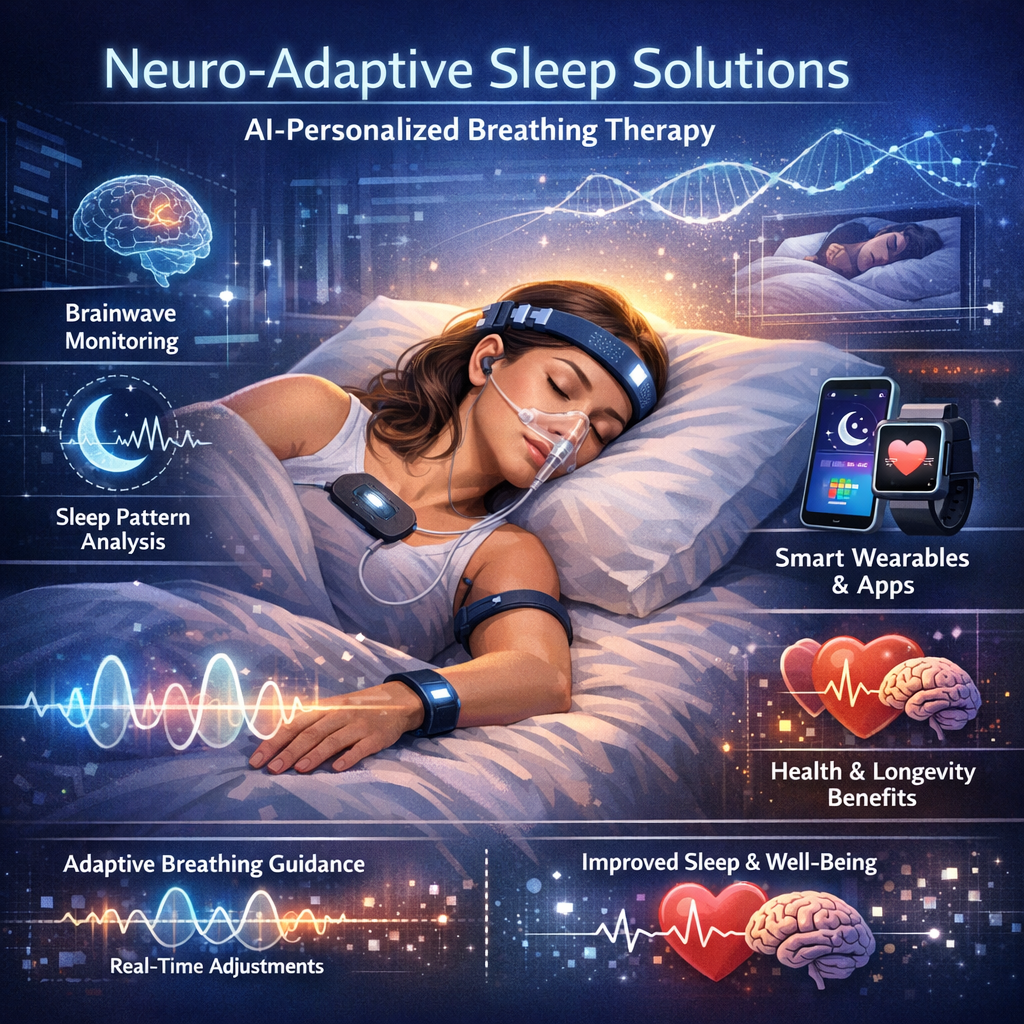
Neuro-Adaptive Sleep Solutions: Using AI to Personalize Breathing Therapy for Maximum Healthspan Impact
In the quest for enhancing human **healthspan**—a term denoting not just a long life, but a life free of chronic disease and decline—**sleep** emerges as fundamental. Sleep isn’t merely a state of rest; it’s a critical period where the body undergoes repair processes, consolidates memories, and rejuvenates cognitive functions. However, modern lifestyles, characterized by prevalent **stressors** and irregular sleep patterns, have led to a global sleep crisis. According to the [Centers for Disease Control and Prevention (CDC)](https://www.cdc.gov/sleep/index.html), adults require a minimum of seven hours of sleep per night, yet a significant portion of the population struggles to achieve this, let alone reach optimal sleep health.
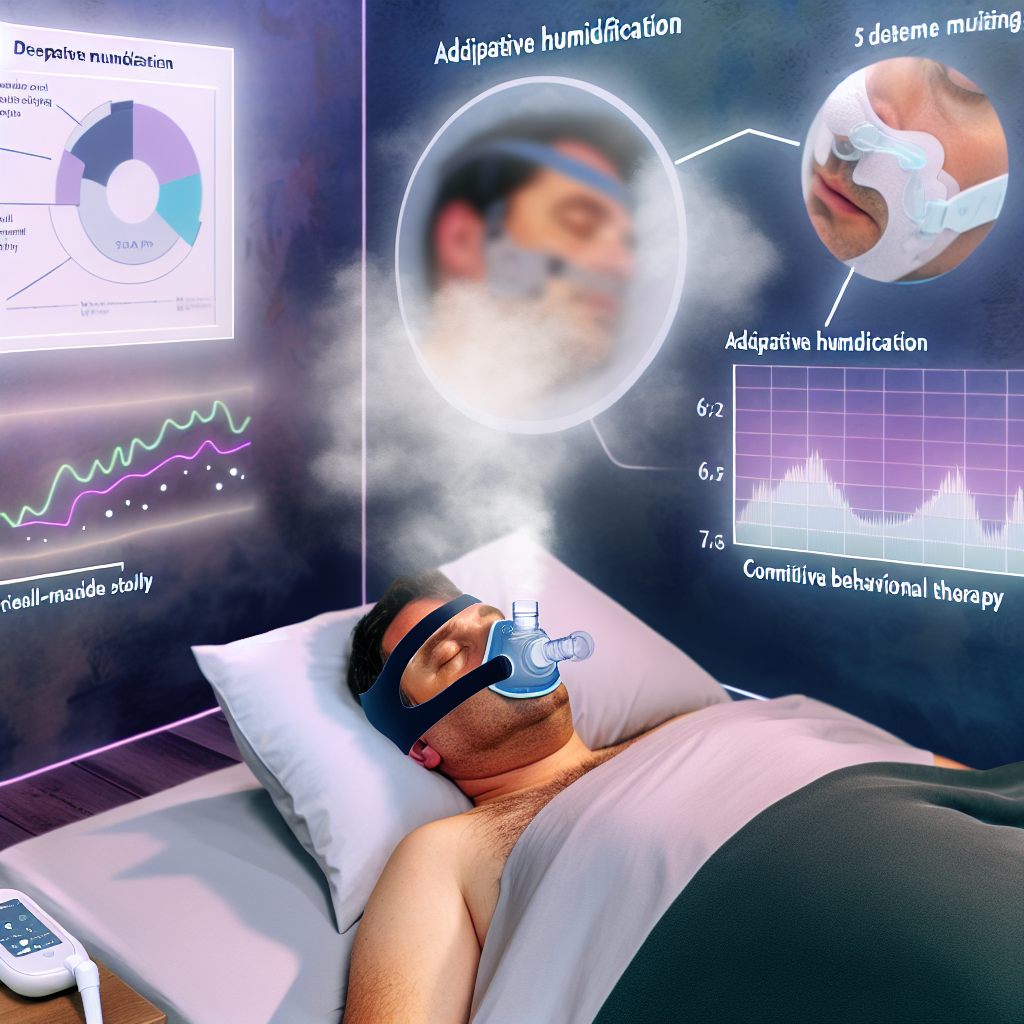
Enter **neuro-adaptive sleep solutions**—a pioneering approach leveraging **Artificial Intelligence (AI)** to tailor **breathing therapy** for individuals. Breathing exercises have long been recognized as effective in calming the nervous system and preparing the body for sleep. What is revolutionary is the application of AI to monitor and interpret **neuro-signals** in real-time, offering a personalized sleep induction process.
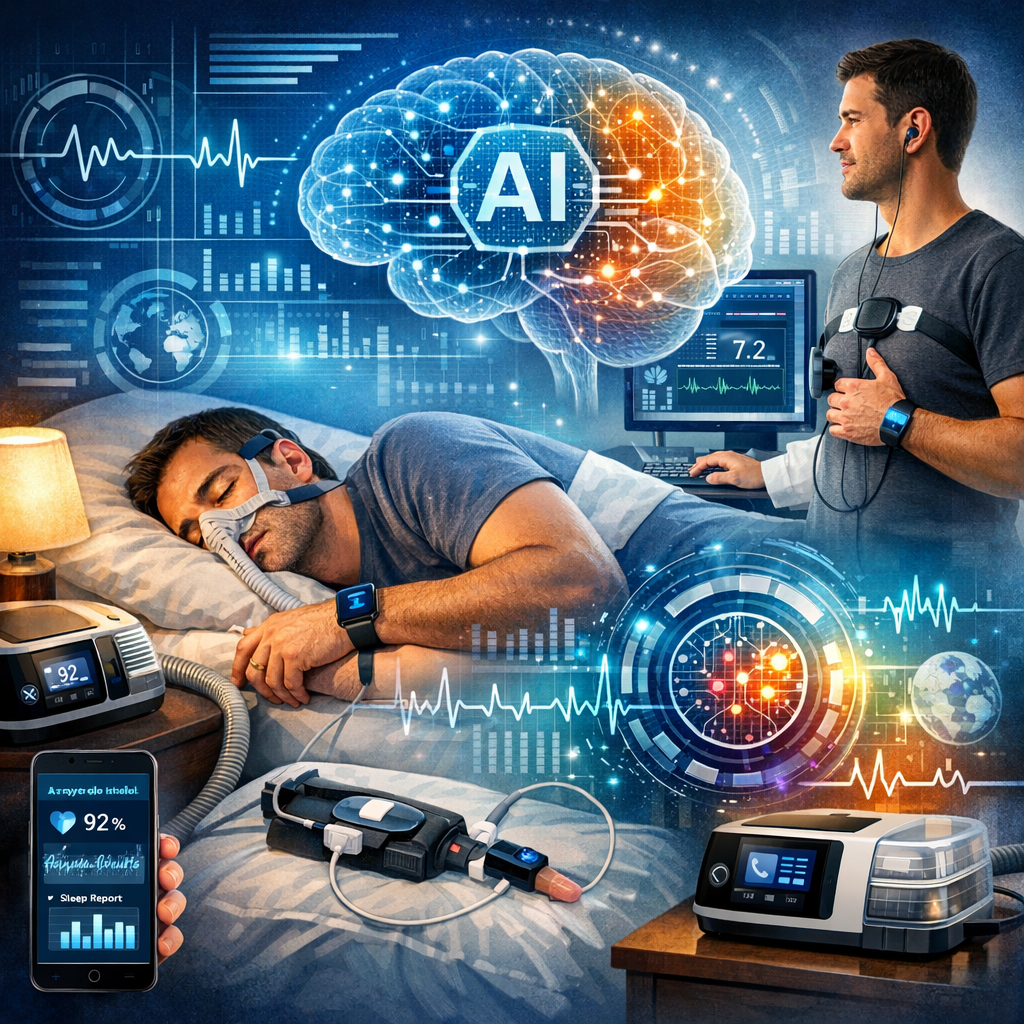
AI uses advanced algorithms and **machine learning** to analyze individual breathing patterns, sleep stages, and overall sleep architecture, creating opportunities for personalized recommendations tailored to optimize conditions conducive to sleep. Imagine a scenario where your nightly routine includes a breathing exercise uniquely tailored to your specific needs—all intelligently deduced by AI systems from data gathered over a period of your sleep history. These solutions not only promise improvements in sleep quality but are also positioned to enhance long-term healthspan by mitigating risks associated with poor sleep, such as **cardiovascular disease**, obesity, and cognitive decline.
AI-driven breathing interventions have the potential to transform the landscape of sleep medicine. **Functional Magnetic Resonance Imaging (fMRI)** studies have shown that specific breathing patterns influence brain activity linked with stress and relaxation. AI can facilitate real-time adaptation in these patterns under varying daily conditions, offering a dynamic tool that evolves with an individual’s changing lifestyle, age, and health needs.
Features of AI-Driven Breathing Therapy
In recent years, several studies validated the efficacy of personalized interventions for sleep improvement. A [Stanford University study](https://www.ncbi.nlm.nih.gov/pmc/articles/PMC7311825/) demonstrated that individualized sleep interventions significantly improve sleep quality and reduce insomnia. Applying AI in this domain offers scalability and precision unavailable through traditional methods. AI systems can quickly process vast amounts of biological data, impractical for human professionals alone.
For instance, a study published in the journal *Nature and Science of Sleep* supported using digital health technologies, such as wearable sensors, in monitoring and improving sleep parameters. These devices collect data on heart rate, breathing patterns, and movement, which are used to model AI algorithms. Through machine learning, these systems refine data to produce actionable insights. AI can suggest real-time adjustments, ensuring breathing techniques used are the most effective at any given moment.
Moreover, a research article in the *Journal of Clinical Sleep Medicine* showcased the benefits of personalized sleep interventions in decreasing the time it takes to fall asleep and increasing overall sleep duration. AI allows for continuous learning, where every night’s sleep data fine-tunes the algorithm, thereby increasing the effectiveness of subsequent interventions.
The practical application of AI-driven breathing therapy is evidenced by companies leading in this technology. For example, Philips developed the SmartSleep Deep Sleep Headband that uses AI to identify deep sleep phases and stimulate the brain with auditory tones to deepen sleep. Smartphone applications like **Oura Ring** use AI to provide insights into sleep patterns and suggest personalized modifications to improve sleep.
Conclusion
The advent of AI-powered, **neuro-adaptive breathing solutions** marks a significant evolution in improving sleep health. Bringing personalized, data-driven insights to the forefront of sleep therapy, AI offers an innovative solution to address tiredness and sleep disturbances. With the capacity to adjust and learn from each individual over time, these systems can optimize the sleep experience not just for a night, but for a lifetime, aiming to increase the span of healthy living. Enhanced sleep health directly correlates with reduced risks of chronic diseases and improved cognitive functions, facilitating a healthier, longer life.
As we move to an increasingly data-driven future, the integration of AI in healthcare, particularly in sleep medicine, testifies to technology’s potential in enhancing human longevity and wellbeing. For further reading, check out these resources from reputable sources like the [CDC](https://www.cdc.gov/sleep/index.html) and recent [scientific studies](https://www.ncbi.nlm.nih.gov/pmc/articles/PMC7311825/).
**Concise Summary**:
Neuro-adaptive sleep solutions leverage AI to enhance sleep health by tailoring breathing therapy to individual needs, promoting long-term healthspan free from chronic disease. By analyzing neuro-signals and sleep patterns, AI provides personalized sleep induction, reducing risks like cardiovascular issues and cognitive decline. AI-driven interventions, proven effective in studies, adapt breathing exercises in real-time to individual lifestyle changes, showing promise to revolutionize sleep medicine and improve overall wellbeing. Companies like Philips and Oura exemplify the practical application of this technology, offering personalized sleep enhancements that extend healthy living.

Dominic E. is a passionate filmmaker navigating the exciting intersection of art and science. By day, he delves into the complexities of the human body as a full-time medical writer, meticulously translating intricate medical concepts into accessible and engaging narratives. By night, he explores the boundless realm of cinematic storytelling, crafting narratives that evoke emotion and challenge perspectives.
Film Student and Full-time Medical Writer for ContentVendor.com