From Obstruction to Optimization: The New Era of Personalized, AI-Driven Sleep Apnea Management
Introduction
**Sleep** is an essential pillar of **health**, akin to **nutrition** and **physical activity**. Yet, across the globe, millions suffer from **sleep apnea**, a disorder characterized by **pauses in breathing** during sleep. These interruptions can prevent you from enjoying the deep, restorative slumber your body craves, leading to a host of health issues including **fatigue**, **cardiovascular problems**, and **cognitive decline**. Until now, traditional sleep apnea management has been fairly standardized, involving devices like **CPAP machines** and **lifestyle changes**. However, the dawn of **artificial intelligence (AI)** in healthcare is profoundly transforming this landscape.
The integration of **AI** into sleep apnea management marks a significant leap from **obstruction** to **optimization**. By harnessing the power of AI, we can now offer more **personalized interventions** that are tailored to the unique needs of the individual. Leveraging machine learning and advanced data analytics, AI-driven solutions provide a more comprehensive understanding of each patient’s sleep patterns and challenges. This tailored approach is slowly shifting sleep apnea management from a one-size-fits-all model to one that is deeply personalized and dynamic. With AI at the helm, people can potentially enhance their sleep health by having more accurate **diagnoses**, effective **treatment plans**, and consistent **monitoring**.
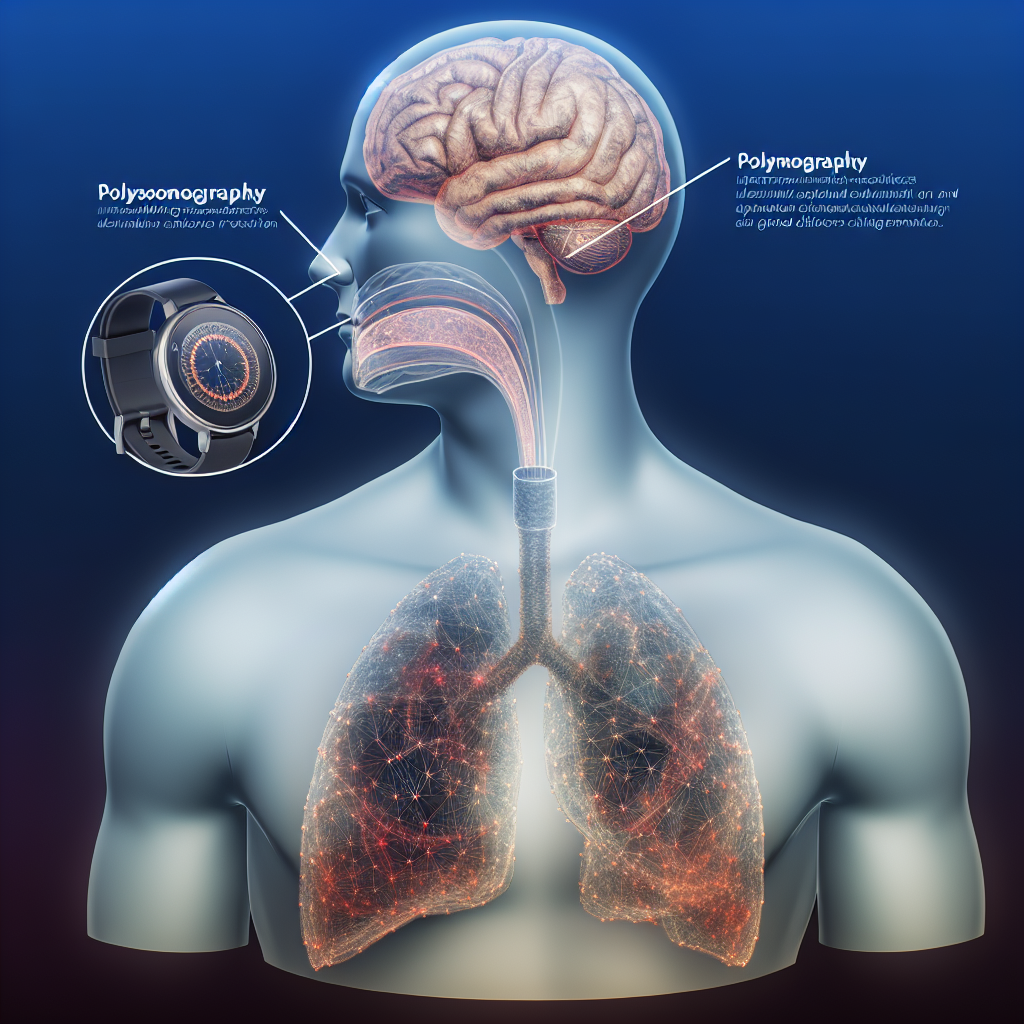
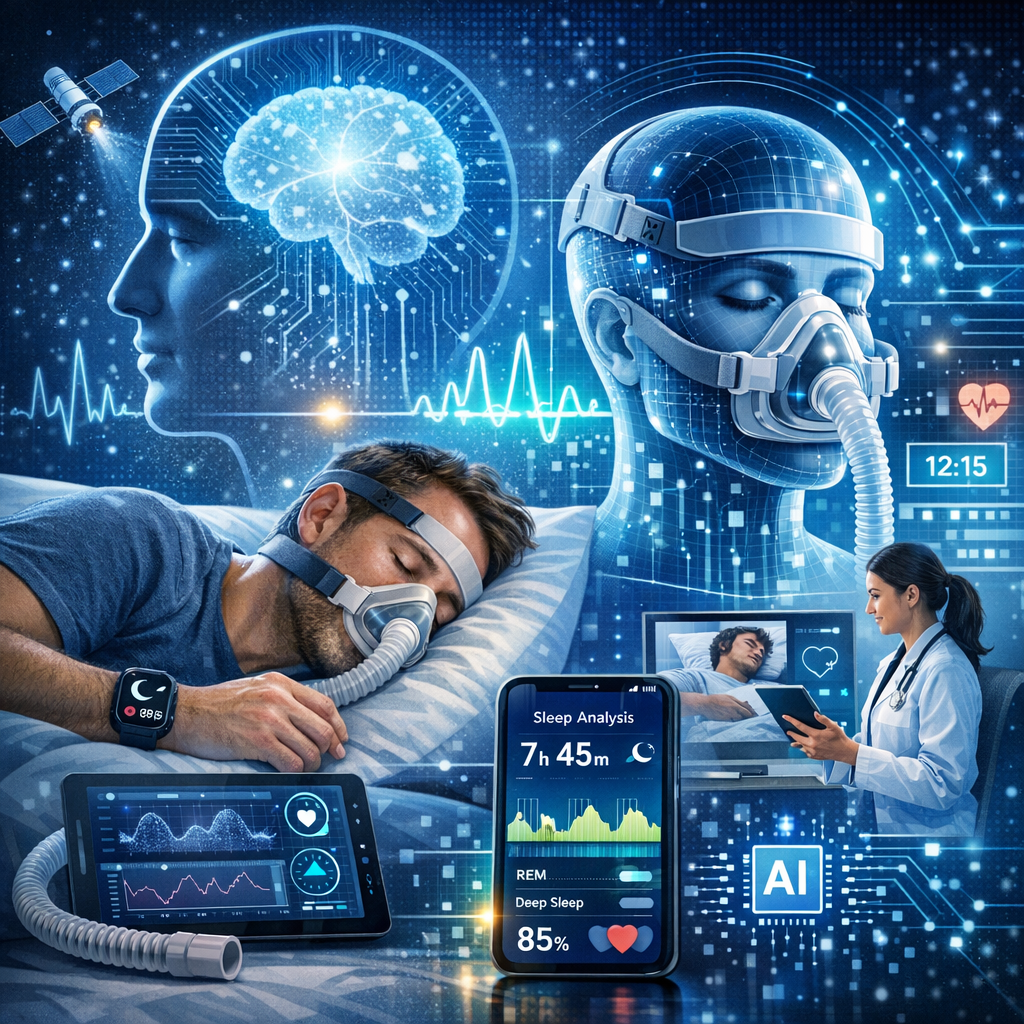
From **wearable technology** that tracks your sleep patterns to **AI algorithms** that predict and mitigate risks, the new era of sleep management is reshaping how **obstructive sleep apnea (OSA)** is viewed and addressed. Imagine a world where your digital health companion not only diagnoses your sleep apnea but continually learns and adapts the treatment plan based on your real-time data. This personalized care plan can enhance compliance and efficacy, making treatments less burdensome and more integrated into everyday life.
The implications of AI in sleep apnea management extend beyond just improving patient outcomes. Healthcare professionals also stand to benefit from this technology. They gain valuable insights through data analytics, enabling them to make informed decisions that can result in better patient care. As AI technology continues to evolve and becomes more accessible, it promises to play a pivotal role in shaping the future of sleep health.
Features
Numerous studies highlight the transformative potential of AI in sleep apnea management. A study published in the journal *Nature and Science of Sleep* examined the **efficacy of AI algorithms** in diagnosing and treating sleep apnea. The research demonstrated that AI systems could predict apnea episodes with remarkable accuracy, providing a foundation for tailored interventions.
Similarly, a study in the *Journal of Clinical Sleep Medicine* explored how AI could optimize **CPAP therapy** in real-time. This study revealed that AI-driven **CPAP machines** adjusted airflow based on instantaneous physiological changes, leading to improved compliance and higher patient satisfaction.
AI applications extend to **wearable technologies**, too. **Fitbit**, a leader in wearable health technology, has incorporated AI to track and analyze sleep patterns, offering actionable insights based on OSA risk. This real-time analysis helps wearers identify potential **sleep apnea symptoms** early, encouraging them to seek professional advice sooner.
Another exciting development involves AI-powered **telemedicine platforms**. Studies suggest these platforms can offer faster, more accurate diagnoses by analyzing symptoms logged through smart devices. With AI algorithms synthesizing data points like **snoring patterns** and **daytime sleepiness**, diagnosing sleep apnea becomes not only quicker but also more accessible.
Beyond individual benefits, AI’s integration into sleep apnea management can alleviate pressure on **healthcare systems**. By automating certain diagnostic and therapeutic processes, AI has the potential to reduce waiting times for specialist consultations and streamline follow-up appointments. With AI-driven tools that patients can use at home, costly hospital visits may also decrease, showing the cost-saving potential of this technology.
Conclusion
**AI-driven solutions** represent a new frontier in sleep apnea management, offering a transformation from generalized to personalized care. By leveraging advanced **algorithms** and **machine learning**, AI provides accurate diagnostics, bespoke treatment options, and continuous monitoring, empowering individuals to take charge of their sleep health. This personalized approach not only bridges gaps in the current healthcare system but also places the power of impactful, individualized care in the hands of patients and providers. As AI technology becomes increasingly embedded within healthcare practices, the future promises even more sophisticated, accessible, and effective treatments for sleep disorders. In essence, AI is not just optimizing sleep apnea management; it is revolutionizing it, shaping a future where quality sleep is a reality for all.
Summary
AI is revolutionizing sleep apnea management by offering personalized interventions tailored to individual needs. By integrating AI technology, patients and healthcare providers gain access to accurate diagnostics, effective treatment plans, and continuous monitoring. Studies highlight the efficacy of AI algorithms in diagnosing and treating sleep apnea. Wearable technologies, like Fitbit, and AI-powered telemedicine platforms also facilitate quicker, more accurate diagnoses and improve patient compliance. As AI becomes more embedded in healthcare, it holds promise for cost-saving, reducing hospital visits, and transforming the sleep health landscape towards more effective, individualized care solutions.

Dominic E. is a passionate filmmaker navigating the exciting intersection of art and science. By day, he delves into the complexities of the human body as a full-time medical writer, meticulously translating intricate medical concepts into accessible and engaging narratives. By night, he explores the boundless realm of cinematic storytelling, crafting narratives that evoke emotion and challenge perspectives.
Film Student and Full-time Medical Writer for ContentVendor.com