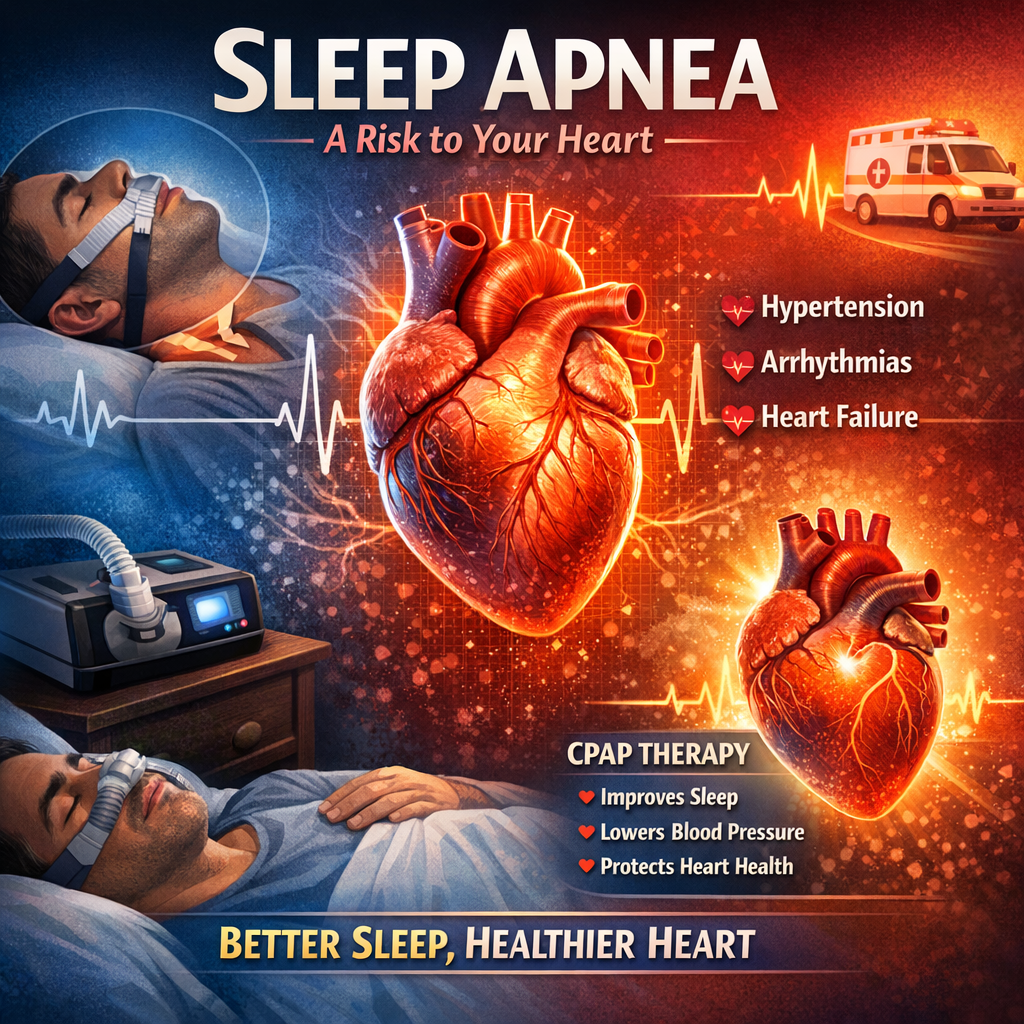
Unveiling the Sleep-Heart Connection: How Treating Apnea Can Significantly Reduce the Risk of Sudden Cardiac Events
Introduction
In today’s fast-paced world, the importance of a **good night’s sleep** is often underestimated. While we may all be aware of the refreshing feeling that accompanies a night of uninterrupted rest, many overlook how crucial **sleep** is for maintaining optimal health. One aspect of sleep health that demands significant attention is the connection between sleep apnea and heart health. **Sleep apnea**, a disorder characterized by repeated interruptions in breathing during sleep, affects millions worldwide. What might seem like a mere inconvenience can have severe implications on cardiovascular health, notably influencing the risk of sudden cardiac events.
Research has increasingly spotlighted how untreated sleep apnea can exacerbate the risk of **heart disease**. The stress on the cardiovascular system due to intermittent hypoxia (insufficient oxygen reaching tissues) and other factors triggered by sleep apnea is a growing concern among medical professionals. Through exploring the mechanisms linking sleep apnea with heart health, we gain insight into preventive strategies that could substantially reduce cardiac risks.
When we delve into sleep apnea, three main types emerge: obstructive, central, and complex apnea. Of these, obstructive sleep apnea (OSA) is the most prevalent, characterized by blockages in the airway due to relaxed throat muscles. Such blockages cause breathing pauses that can last from a few seconds to minutes, affecting the heart by altering blood pressure and heart rate. This relentless cycle strains the heart, potentially leading to serious cardiovascular issues if left unchecked.
Moreover, untreated sleep apnea is associated with arrhythmias (irregular heartbeats), **heart failure**, **stroke**, and increased mortality rates. The connection between sleep apnea and sudden cardiac events underlines the necessity of integrating proper sleep management into cardiovascular health strategies. Understanding and addressing this sleep-heart relationship empowers individuals to take preventive actions, ensuring not just better sleep but also a healthier heart.
Features
The relationship between sleep apnea and heart health is supported by numerous studies highlighting the profound impact of treating sleep apnea on reducing cardiac risks. One notable study published in the [Journal of the American College of Cardiology](https://www.jacc.org) found that patients with severe obstructive sleep apnea who were untreated had a 2.5-fold increased risk of experiencing a sudden cardiac event compared to those without sleep apnea. The study emphasized that continuous positive airway pressure (CPAP) therapy, a common treatment for sleep apnea, significantly lowered these risks, showcasing the protective benefits against potential cardiac episodes.
A pivotal investigation by the [American Heart Association](https://www.heart.org) underscored how sleep apnea contributes to **high blood pressure**, a major risk factor for heart disease. This study illuminated how the cyclical drops in blood oxygen levels during apnea episodes stimulate the sympathetic nervous system, which controls blood pressure, leading to hypertension. Prolonged hypertension stresses the heart and can precipitate cardiac issues, linking untreated sleep apnea with heart attack risks.
Additionally, a comprehensive review in the [New England Journal of Medicine](https://www.nejm.org) analyzed the effectiveness of CPAP in reducing cardiovascular events. It concluded that consistent use of CPAP therapy in patients with obstructive sleep apnea not only improved sleep quality but also reduced blood pressure, nighttime angina occurrences, and even the severity of arrhythmias. These findings underscore CPAP’s role as a beneficial intervention for minimizing cardiac events.
Research also suggests that treating sleep apnea can enhance overall cardiovascular health by improving endothelial function. The endothelium, a thin membrane lining the heart and blood vessels, plays a crucial role in vascular health. Studies suggest that untreated sleep apnea can impair this function, whereas treatment can reverse such damage, promoting better heart health over time.
Conclusion
The intricate connection between sleep apnea and heart health underscores the necessity for increased awareness and intervention. Untreated sleep apnea represents a substantial risk not only to sleep quality but also to cardiovascular health. The studies cited illustrate that addressing sleep apnea through treatments like CPAP can markedly lower the risk of heart-related issues and enhance quality of life. For individuals facing sleep disturbances, seeking medical advice and potential treatment could be the key to both improved sleep and a healthier heart. By prioritizing sleep health, we tackle one of the pivotal factors influencing cardiovascular wellness, paving the way for a life bolstered by sound sleep and robust heart health. Emphasizing the importance of addressing sleep apnea leads to a proactive approach to mitigating cardiovascular risks, highlighting a crucial aspect of modern healthcare.
Concise Summary
The piece explores the compelling link between sleep apnea and cardiovascular health, emphasizing that untreated sleep apnea can considerably elevate the risk of sudden cardiac events. It discusses obstructive sleep apnea (OSA) as the most common type, causing pauses in breathing that strain the cardiovascular system. Studies underscore the effectiveness of CPAP therapy in lowering cardiac risks and enhancing cardiovascular health by improving endothelial function. Raising awareness and treating sleep apnea is vital for improving heart health, with medical advice potentially being a decisive factor in achieving both better sleep and heart well-being.

Dominic E. is a passionate filmmaker navigating the exciting intersection of art and science. By day, he delves into the complexities of the human body as a full-time medical writer, meticulously translating intricate medical concepts into accessible and engaging narratives. By night, he explores the boundless realm of cinematic storytelling, crafting narratives that evoke emotion and challenge perspectives.
Film Student and Full-time Medical Writer for ContentVendor.com