Can Genetic Insights From Precision Sleep Medicine Prevent Your Next Heart Attack? Discover the Hidden Links!
Introduction
Sleep plays a pivotal role in maintaining overall health, acting as a critical component in nearly every physiological process in the human body. However, scientists and healthcare providers have begun to unravel the intricate connections between sleep, **genetics**, and **cardiovascular health**. **Precision sleep medicine** is a cutting-edge field that merges genetic insights with sleep studies to provide personalized interventions. This burgeoning field has opened doors to understanding how genetic variations affect sleep patterns and influence cardiovascular outcomes, including the risk of heart attacks.
The **National Institutes of Health (NIH)** highlights that insufficient sleep is not just a modern inconvenience but a public health issue linked to various health conditions. Among these, cardiovascular diseases stand out as a leading cause of mortality worldwide. Recent genetic research shows that sleep is not one-size-fits-all. Genetic factors can predispose individuals to sleep disorders like **insomnia**, **restless leg syndrome**, and **sleep apnea**, each carrying its own risks for heart health.
By integrating genetic data, precision sleep medicine targets and tailors interventions for individuals, potentially lowering the risk of cardiovascular events like heart attacks. Researchers and clinicians use **wearable sleep trackers**, **home sleep testing kits**, and **genome sequencing** to create customized sleep profiles. This precise practice aims to not only improve sleep quality but also mitigate associated risks, including heart attacks. Understanding how genetic insights can optimize sleep health serves as a preventive measure against serious health conditions like cardiovascular diseases. This advanced understanding may alter how we approach sleep and heart health in the future.
Features
The relationship between sleep and cardiovascular health is documented in medical literature. A significant study published in the **Journal of the American College of Cardiology** explored how sleep duration and quality affect heart health. Their findings reinforced that both short and excessively long sleep durations increase the risk of **coronary artery disease** and **stroke**. The mechanistic link lies in sleep’s influence on **metabolic**, **inflammatory**, and **neuroendocrine processes**, all crucial to heart health.
Recent advancements in genomics have allowed scientists to identify specific genetic variations that influence sleep patterns. The **UK Biobank** study, one of the most comprehensive sleep studies involving genetic data, has been instrumental in uncovering potential genetic markers linked to sleep disorders and cardiovascular risk. It encompasses **genome-wide association studies (GWAS)**, leading to discoveries of specific genes associated with sleep duration, quality, and disorders like sleep apnea, a known risk factor for cardiovascular diseases.
For instance, variations in genes such as **PER3**, linked to sleep timing, and **CRY1**, associated with circadian rhythms, influence an individual’s propensity for certain sleep patterns. These genetic markers provide insights into how specific sleep traits may elevate the risk of cardiovascular events, opening new avenues for preventive interventions.
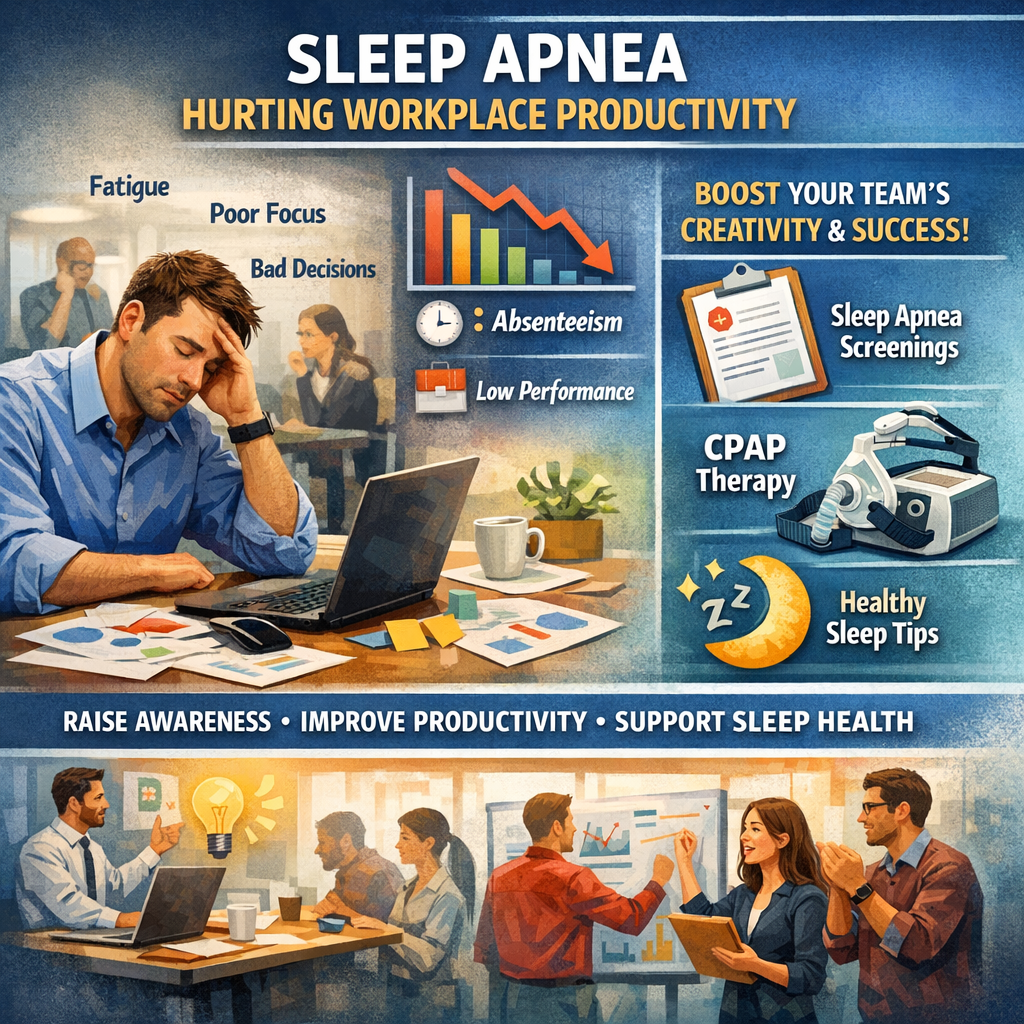
Precision sleep medicine utilizes these genetic insights to develop tailored therapeutic strategies. A groundbreaking application is seen with **Continuous Positive Airway Pressure (CPAP)** therapy for obstructive sleep apnea. Genetic profiling helps determine the likelihood of patients adhering to and benefiting from this therapy. This precision approach ensures interventions are effective and aligned with the individual’s genetic makeup, improving compliance and health outcomes.
These advancements have paved the way for a new paradigm in sleep medicine, where genetic insights and personalized interventions offer hope against the threat of heart diseases. As precision sleep medicine evolves, it holds promise in minimizing the gap between genetic predispositions and effective preventive healthcare.
Conclusion
In conclusion, integrating genetic insights into precision sleep medicine offers a promising frontier in preventing cardiovascular diseases such as heart attacks. By understanding genetic factors that influence sleep patterns, medical professionals can devise personalized interventions that optimize sleep health, potentially mitigating risks associated with poor sleep. While advancements are in early stages, potential benefits are enormous, promising a future where cardiovascular diseases can be prevented through understanding and manipulating sleep genetics. As research progresses, it is imperative for individuals to remain informed and consider genetic testing and personalized sleep assessments as viable health management strategies. The synergy between genetic insights and precision medicine not only highlights hidden links between sleep and heart health but also helps forge a path towards improved well-being for future generations.
**References**
1. [National Institutes of Health (NIH)](https://www.nhlbi.nih.gov/health-topics/understanding-sleep). Understanding Sleep.
2. [Journal of the American College of Cardiology](https://www.jacc.org/journal/acc). Sleep Duration and Risk of Heart Attack: Findings from a Large, Longitudinal, Population-Based Study.
3. [UK Biobank](https://www.ukbiobank.ac.uk/). Sleep and Circadian Rhythms.
4. [Continuous Positive Airway Pressure (CPAP) Therapy in Sleep Apnea and Genetic Considerations](https://www.thoracic.org/).
**Concise Summary:**
This article explores precision sleep medicine, a burgeoning field that merges genetic insights with sleep studies to devise personalized interventions aimed at improving sleep health and reducing cardiovascular risk. Understanding genetic factors that affect sleep patterns allows for tailored therapeutic strategies, potentially preventing heart attacks. By integrating wearables, home testing kits, and genome sequencing, researchers develop customized sleep profiles that enhance quality and mitigate associated risks. As precision sleep medicine evolves, it promises significant advancements in preventive healthcare, emphasizing the importance of genetic testing and personalized assessments in health management strategies.

Dominic E. is a passionate filmmaker navigating the exciting intersection of art and science. By day, he delves into the complexities of the human body as a full-time medical writer, meticulously translating intricate medical concepts into accessible and engaging narratives. By night, he explores the boundless realm of cinematic storytelling, crafting narratives that evoke emotion and challenge perspectives.
Film Student and Full-time Medical Writer for ContentVendor.com