The Critical Role of Airway Management in Sports: How Optimizing Breathing Can Unleash Athletic Potential
Introduction
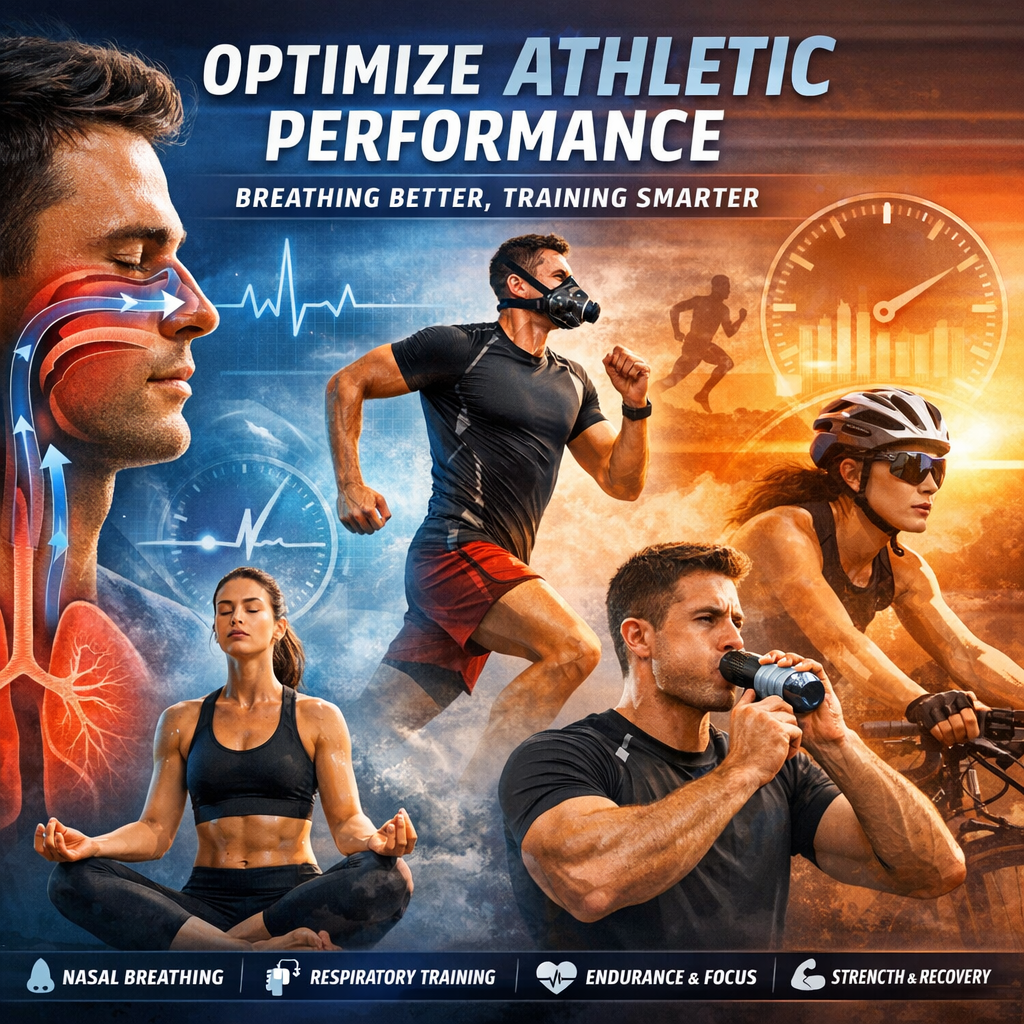
The realm of **sports** is replete with techniques and strategies aimed at enhancing athletic performance. From intensive training regimes to advanced nutritional plans, athletes are continually exploring new ways to gain a competitive edge. However, one crucial yet often overlooked aspect is **airway management** and its significant impact on overall performance. Proper airway management and optimized **breathing** can transform an athlete’s ability to perform at their peak, minimizing fatigue and maximizing efficiency during high-intensity activities.
**Breathing** is a fundamental physiological process, essential not just for survival, but for performance optimization. In sports, the efficiency and effectiveness of one’s breathing can significantly influence stamina and endurance. When the airway is adequately managed, athletes experience improved **oxygen uptake** and distribution, enhancing their aerobic capacity – this is especially critical for **high-endurance sports**. Conversely, poor airway management can lead to compromised breathing, reduced oxygenation, early fatigue, and ultimately, subpar performance outcomes.
In competitive sports environments, where the margin between winning and losing is often razor-thin, understanding and optimizing one’s breathing can be a game-changer. Many athletes may not be aware that issues such as **nasal obstructions**, **deviated septa**, or even poor breathing techniques could be hindering their athletic output. Addressing these concerns through proper airway management, therefore, becomes essential.
Sports science has increasingly pointed toward the correlation between effective breathing techniques and athletic excellence. By incorporating strategic breathing exercises and focusing on pulmonary health, athletes can see marked improvements in their performance. From yoga-inspired breathing techniques to advanced respiratory therapy, there are multiple avenues athletes can explore to enhance their breathing efficiency.
Features
Understanding the connection between airway management and athletic performance is supported by various professional and medical studies. A seminal study published in the *Journal of Sports Sciences* emphasized the benefits of **nasal breathing** during exercise. The research highlighted that nasal breathing can significantly improve **oxygen uptake** and carbon dioxide elimination when compared to mouth breathing. This not only boosts endurance but also stabilizes heart rate and reduces breathlessness during physical exertion.
Another study from the *European Journal of Applied Physiology* demonstrated how athletes who engaged in structured breathing exercises showed substantial improvements in their **lactic acid threshold**—the point at which muscles start to fatigue. By increasing the efficiency of their respiratory systems, these athletes were able to train longer and harder, enhancing both their aerobic and anaerobic capacities.
Moreover, in a practical application of airway management, many professional sports teams have integrated breath training into their regimens. A fascinating example is the use of **respiratory muscle training (RMT)**, as highlighted in the *British Journal of Sports Medicine*. RMT focuses on strengthening the diaphragm and intercostal muscles, which play a pivotal role in promoting more effective breathing dynamics.
Beyond physical conditioning, the psychological benefits of breathing exercises can’t be ignored. Studies show that controlled breathing techniques reduce stress and anxiety levels, two factors that often plague athletes before major competitions. A well-regulated breathing practice helps in maintaining composure and focus, which is vital during high-pressure scenarios.
Technological advancements have also provided new tools for athletes and coaches. Devices such as **respiratory trainers** and breathing monitors have become integral in assessing and improving athletic performance through better airway management. These tools provide real-time feedback, allowing for personalized adjustments and helping athletes to achieve their optimal breathing rhythm.
Conclusion
**Airway management** stands at the forefront of untapped potential in elevating athletic performance. The ability to optimize breathing not only serves the physical aspects of sports but also supports the mental fortitude required in competitive environments. By understanding and implementing effective airway management strategies, athletes can significantly minimize limitations that may have otherwise gone unnoticed.
As sports science continues to evolve, the importance of optimal breathing is gaining acknowledgment across various disciplines. Whether through traditional exercises, advanced methodologies, or the integration of new technologies, athletes are increasingly empowered to harness the full power of enhanced breathing for improved performance. The journey to sporting excellence is multifaceted, but unquestionably, airway management proves to be a critical component in unleashing one’s athletic potential.
References
1. [Journal of Sports Sciences](https://www.tandfonline.com/toc/rjsp20/current). Study on nasal breathing.
2. [European Journal of Applied Physiology](https://link.springer.com/journal/421). Study on lactic acid threshold and breathing exercises.
3. [British Journal of Sports Medicine](https://bjsm.bmj.com/). Study on respiratory muscle training.
Concise Summary
Optimizing airway management is pivotal in sports for enhancing athletes’ performance. Effective breathing techniques substantially improve **stamina**, **endurance**, and mental resilience while minimizing fatigue. Key approaches include nasal breathing, structured breathing exercises, and **respiratory muscle training**. Integrating these strategies can improve oxygen uptake and distribution, elevating both aerobic and anaerobic capacities. The psychological and physiological benefits underline the critical role of breathing in achieving sporting excellence. As sports science evolves, acknowledging and implementing advanced airway management solutions will continue to propel athletic performance to new heights.

Dominic E. is a passionate filmmaker navigating the exciting intersection of art and science. By day, he delves into the complexities of the human body as a full-time medical writer, meticulously translating intricate medical concepts into accessible and engaging narratives. By night, he explores the boundless realm of cinematic storytelling, crafting narratives that evoke emotion and challenge perspectives.
Film Student and Full-time Medical Writer for ContentVendor.com