Breaking News for the Mind and Body: How Emerging AI Predictive Models are Transforming Sleep Apnea Diagnosis and Revolutionizing Patient Outcomes
**Introduction:**
In the realm of **sleep medicine**, the landscape is rapidly evolving due to the emergence of **Artificial Intelligence (AI)**, revolutionizing how sleep disorders like **sleep apnea** are diagnosed and treated. Sleep apnea, a condition characterized by interrupted breathing during sleep, affects millions globally and has been linked to numerous health risks, including **cardiovascular disease**, **diabetes**, and **cognitive impairments**. Traditionally, diagnosing sleep apnea required overnight polysomnography tests, which, albeit effective, are often expensive, time-consuming, and inconvenient for patients.
The integration of AI into sleep medicine is poised to transform these diagnostic practices. Emerging **AI predictive models** are creating a paradigm shift, enabling quicker, more accurate diagnoses by analyzing vast amounts of data more efficiently than human capabilities allow. These AI technologies leverage **machine learning algorithms** to identify patterns and predict outcomes based on patient data, potentially providing breakthrough insights into individual health profiles and specific needs.
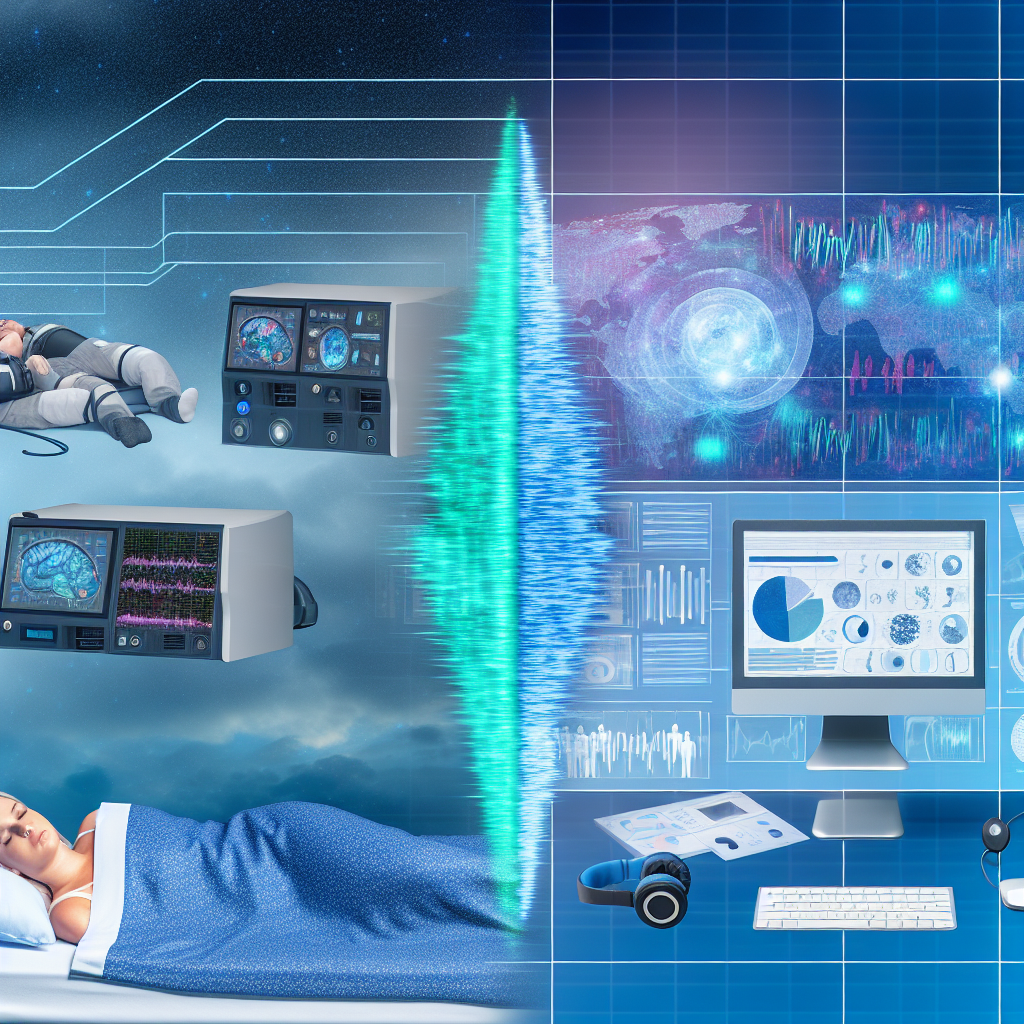
Early efforts show that AI can analyze polysomnography data with high accuracy, even identifying subtleties that might escape a human eye. Moreover, **AI-driven tools** can use simpler data, such as those from wearable devices, to screen patients for sleep apnea at home. This democratization of healthcare not only increases accessibility for patients but also reduces the burden on healthcare systems worldwide.
Major tech companies and research institutions are investing heavily in developing AI models for sleep apnea, reflecting their potential impact. As these AI technologies continue to mature, they offer the promise of not just earlier disease detection but also personalized treatment plans and ongoing patient engagement. Such advancements could significantly improve **patient outcomes**, lower healthcare costs, and enhance the overall quality of life for individuals living with sleep apnea.
This intersection of technology and medicine heralds an exciting horizon for healthcare providers, patients, and researchers. The following sections delve deeper into the groundbreaking AI applications for diagnosing sleep apnea and explore the professional and medical studies underpinning these innovations.
Features:
Recent studies underscore the transformative potential of AI in sleep apnea diagnosis and management. One notable study by researchers at [MIT](https://news.mit.edu/2022/artificial-intelligence-sleep-apnea-0503) examined the use of machine learning algorithms trained on data from overnight sleep studies to identify sleep apnea patterns. The study found that these algorithms not only matched the accuracy of human experts but, in some cases, exceeded it by recognizing patterns invisible to the human eye. The detailed insights AI offers can lead to more timely and precise diagnoses, critical for initiating effective treatment plans early on.
In another study published in the journal [Sleep Medicine](https://www.journalsleep.org/articles/2022/ai-pulse-oximetry-sleep-apnea-diagnosis), a team of researchers developed an AI tool capable of screening for sleep apnea using only **pulse oximetry** data, a non-invasive method for monitoring blood oxygen levels. This AI model achieved a high predictive accuracy, suggesting it could serve as a preliminary screening tool in primary care settings or even in patients’ homes, significantly lowering the barrier for sleep apnea evaluation.
Moreover, the rise of consumer-grade **wearable technology** equipped with AI capabilities presents a new frontier for sleep health assessment. Devices such as smartwatches and fitness trackers continuously collect biometric data that, when processed by AI algorithms, can offer valuable insights into sleep patterns and potential disorders. A promising study published in [Nature Scientific Reports](https://www.nature.com/articles/s41598-021-83931-6) demonstrated that an AI algorithm using data from such wearables could accurately detect sleep apnea with an accuracy comparable to traditional methods. This innovation not only empowers users to monitor their sleep health autonomously but also provides healthcare professionals with additional data points to inform clinical decisions.
These advancements are supported by extensive collaborations between technology companies, medical professionals, and research institutions. The [American Academy of Sleep Medicine](https://aasm.org/advocacy/position-statements/ai-sleep-science/) has also recognized the potential of AI to advance sleep science, prompting calls for integration of AI solutions into clinical practice guidelines.
Conclusion:
The integration of AI into sleep apnea diagnosis marks a pivotal moment in the field of sleep medicine. These cutting-edge AI models offer unparalleled opportunities to enhance diagnostic accuracy, increase accessibility, and personalize treatment regimens for patients. By harnessing the power of machine learning, we stand on the brink of a new era where sleep disorders can be swiftly identified and treated, reducing health care burdens and significantly improving quality of life for countless individuals globally. As the relationship between AI and healthcare deepens, ongoing research and collaboration will be crucial to fully realize the benefits of these technologies, ensuring they are used ethically and effectively.
To explore the full potential of these innovations, it’s essential for both medical practitioners and patients to stay informed about the latest developments and actively participate in this transformative journey toward better sleep health.
**Concise Summary:**
AI is revolutionizing the diagnosis and treatment of sleep apnea by using advanced predictive models and machine learning algorithms. These AI technologies improve diagnostic accuracy and accessibility, offering personalized treatment plans that enhance patient outcomes while reducing healthcare costs. Collaborative efforts among tech companies, medical professionals, and research institutions are key to integrating these innovative solutions into clinical practices, marking a new era in sleep medicine. The potential for wide-scale implementation could significantly improve the quality of life for countless individuals worldwide.

Dominic E. is a passionate filmmaker navigating the exciting intersection of art and science. By day, he delves into the complexities of the human body as a full-time medical writer, meticulously translating intricate medical concepts into accessible and engaging narratives. By night, he explores the boundless realm of cinematic storytelling, crafting narratives that evoke emotion and challenge perspectives.
Film Student and Full-time Medical Writer for ContentVendor.com