Can AI Predict and Prevent Sleep Disorders Before They Start? The Future of Precision Sleep Medicine
Introduction
In today’s fast-paced world, **sleep** is often the neglected pillar of health, yet its significance for physical, mental, and emotional well-being is indisputable. With the rise in **sleep disorders** like insomnia and sleep apnea affecting millions globally, the need for effective diagnostic and prevention strategies is more critical than ever. Enter **Artificial Intelligence (AI)**, a transformative technology making significant strides in healthcare, including the realm of sleep medicine. Could AI predict and prevent sleep disorders before they manifest? This possibility could herald a new era in **precision sleep medicine**, where prevention could potentially overshadow treatment.
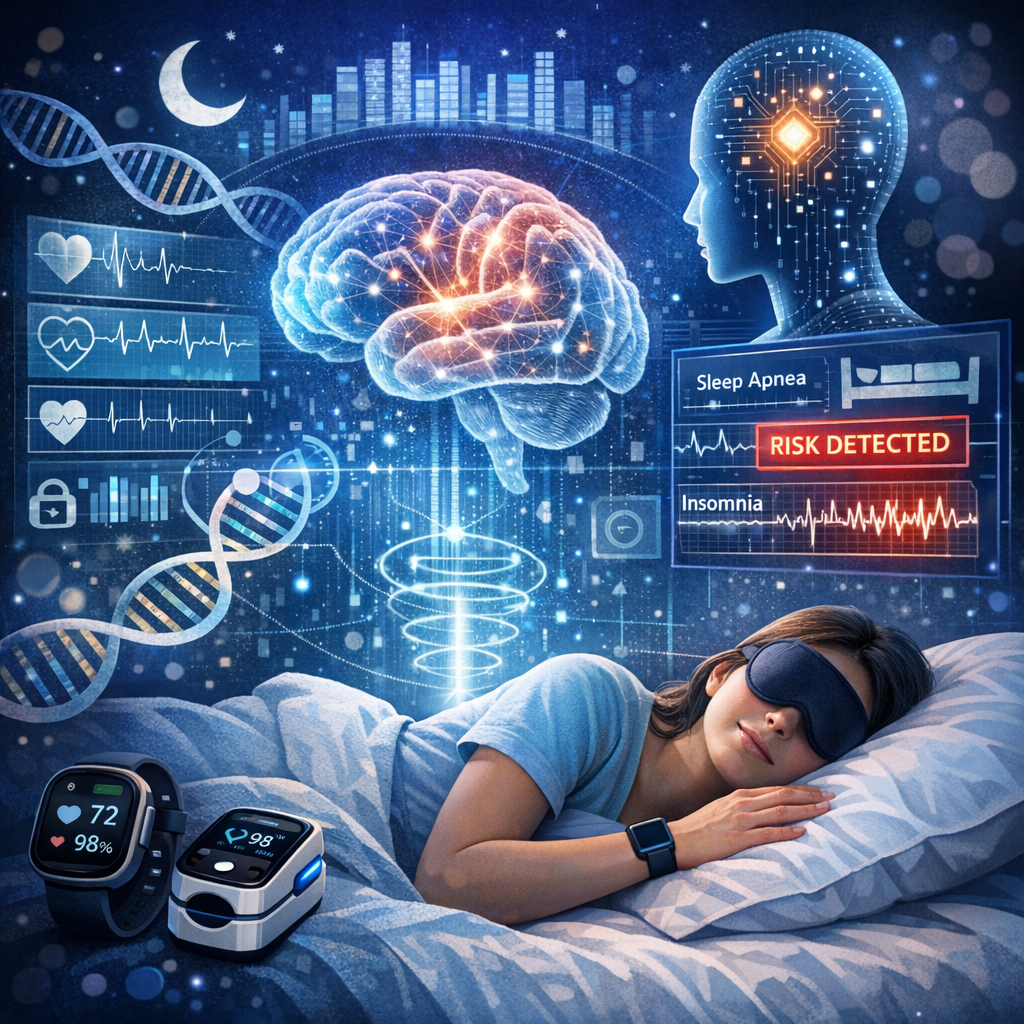
AI in sleep medicine is not merely an aspiration; it’s an emerging reality. At its core, AI processes vast amounts of data rapidly, identifying patterns and anomalies that might elude human practitioners. Regarding sleep health, this could mean analyzing sleep patterns, genetic information, lifestyle factors, and other health data to predict one’s risk of developing sleep disorders. The goal is not only to diagnose but potentially to anticipate and avert these disorders—thereby preserving quality of life and improving health outcomes.
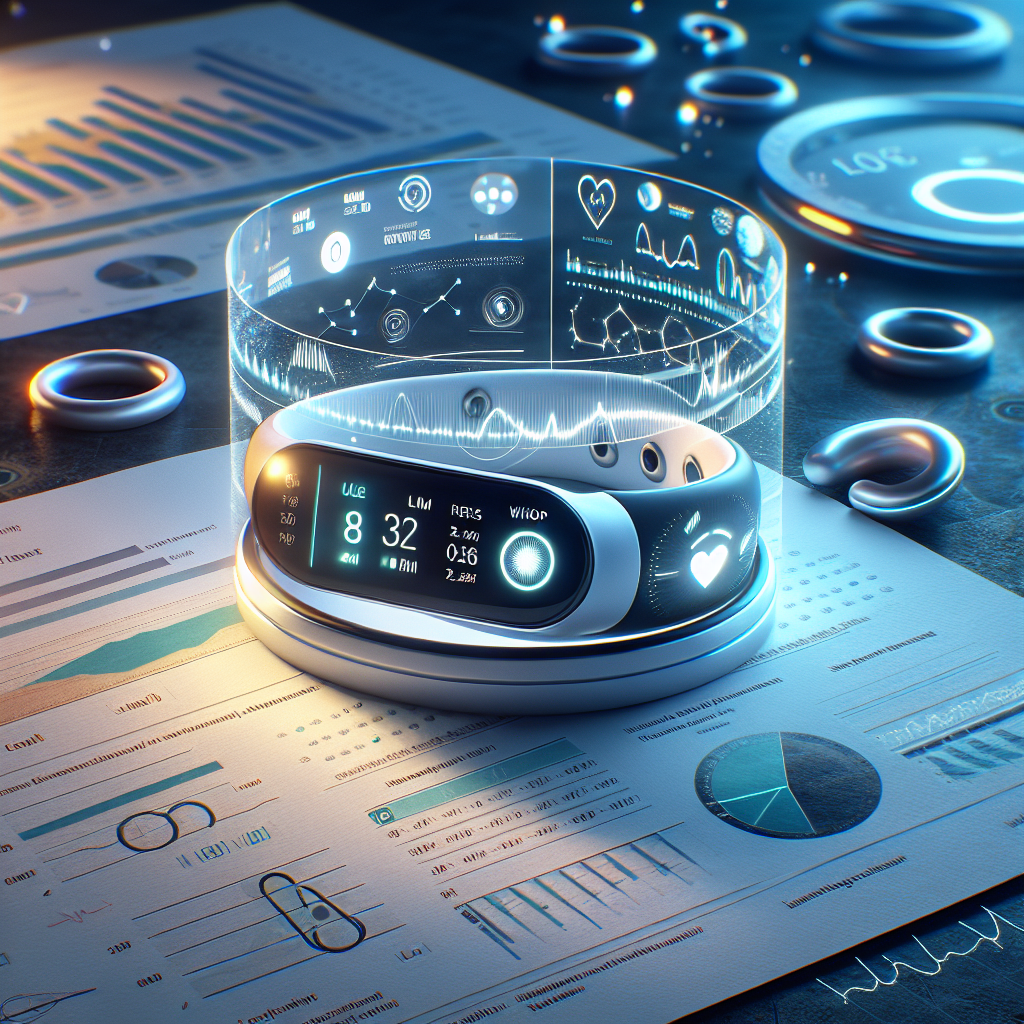
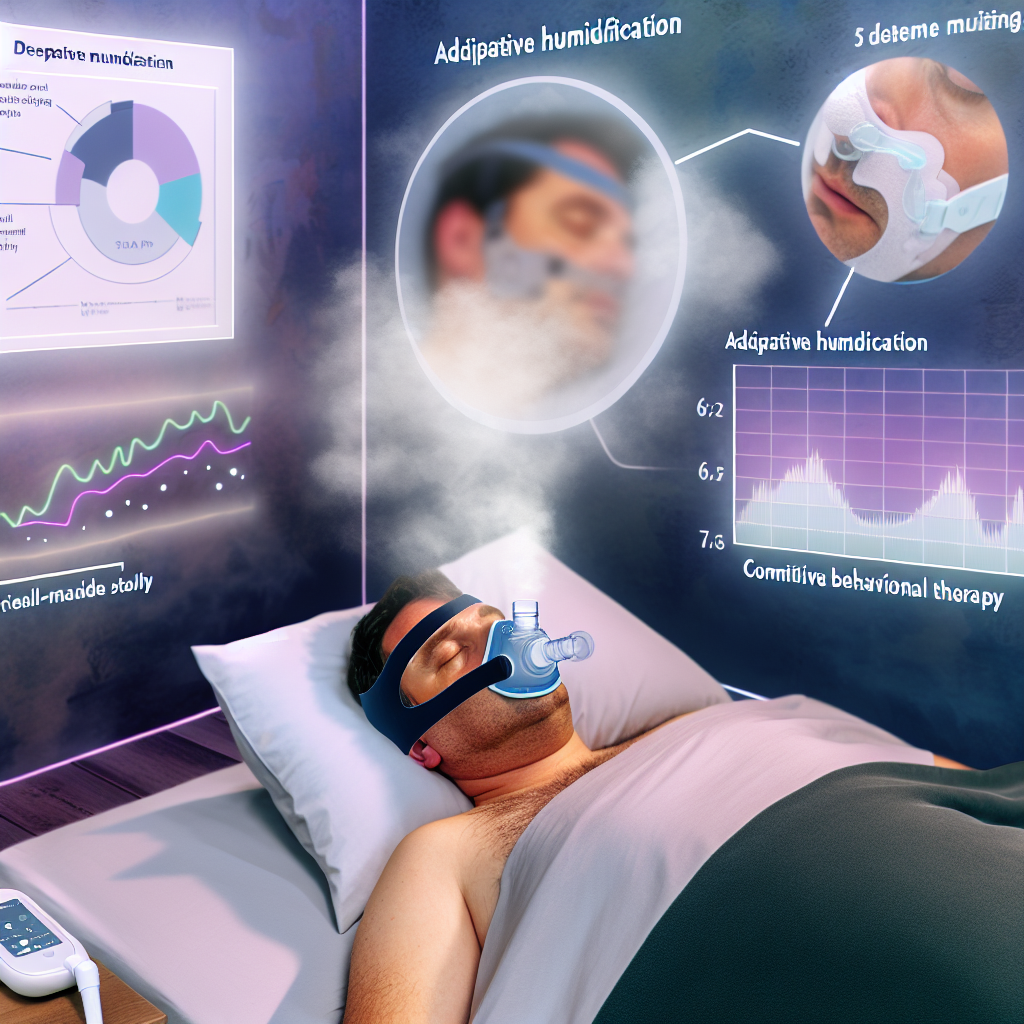
Moreover, AI applications extend to improving existing treatment methods by personalizing therapies and interventions based on individual needs. For instance, AI algorithms can enhance the precision of Continuous Positive Airway Pressure (CPAP) therapy in sleep apnea patients, ensuring optimal settings tailored to individual profiles with extraordinary accuracy. Likewise, **wearable devices** leveraging AI can consistently monitor sleep patterns, providing real-time feedback and adjustments to improve sleep quality over time.
The focus on precision sleep medicine comes with the realization that traditional, one-size-fits-all approaches are often inadequate. Each person’s sleep needs and disorders are influenced by unique physiological and lifestyle factors, which AI can more effectively decipher. By adopting AI-driven strategies, healthcare providers could tailor interventions that are as unique as the individuals they treat.
As research expands, the potential of AI to predict and prevent sleep disorders grows ever more viable. However, this budding capability is continually refined as researchers and healthcare professionals seek to overcome existing limitations. There’s a burgeoning need to address privacy concerns, ensure data accuracy, and integrate AI solutions seamlessly into existing medical frameworks. Despite these challenges, the horizon of AI-enhanced precision sleep medicine seems promising, suggesting a future where sleep disorders may be intercepted before they disturb our rest.
Features
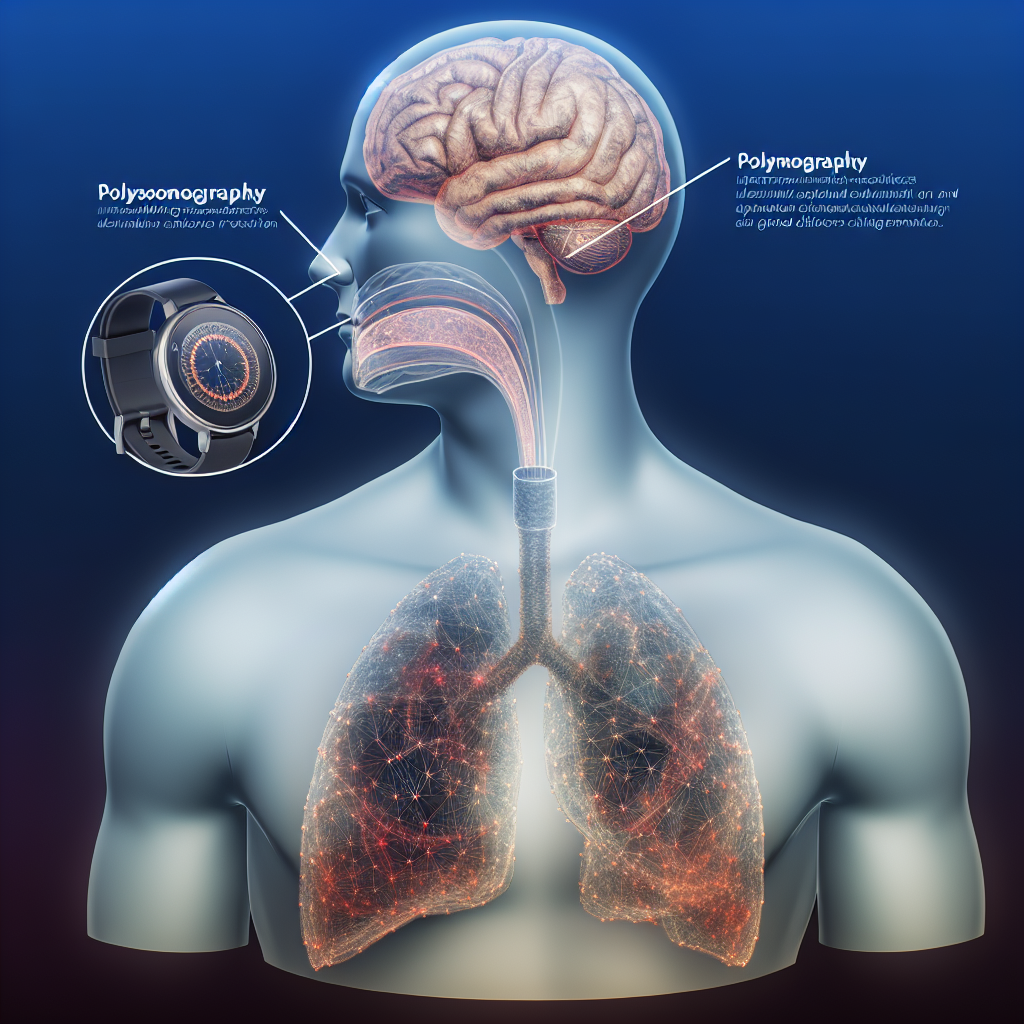
The intersection of AI and sleep medicine isn’t merely speculative; it’s grounded in substantial scientific research. Several studies have underscored the potential of AI to revolutionize sleep diagnostics and therapy. For instance, a study published in the *Journal of Clinical Sleep Medicine* explored how **machine learning** algorithms could improve the accuracy of apnea-hypopnea index (AHI) calculations from polysomnography data. The researchers found that AI models were capable of identifying sleep apnea events with a high degree of accuracy, offering a promising tool for clinicians [source](https://jcsm.aasm.org).
Moreover, research from the University of Copenhagen demonstrated the potential of AI in screening for entire biometric sleep signatures. By analyzing comprehensive sleep data collected via wearable technologies, the AI models could predict the occurrence of sleep disorders such as **insomnia** and **narcolepsy** long before the symptoms become clinically significant [source](https://ku.dk). This aligns with the concept of predictive analytics in sleep health, which aims to provide a proactive rather than reactive approach.
Another fascinating study from Stanford University focused on AI’s role in assessing genetic predispositions to sleep disorders. By parsing through genetic data, sophisticated algorithms could predict vulnerabilities to disorders like restless legs syndrome or REM sleep behavior disorder, allowing for preemptive lifestyle modifications and interventions [source](https://stanford.edu). Such insights exemplify how AI serves as a bridge to understanding complex biological processes that contribute to sleep health.
However, it’s pertinent to note that while findings are promising, they come with challenges. Variability in data quality, diverse demographic factors, and ethical considerations around data privacy continue to be significant hurdles. Yet, consistent advancements in AI technology, coupled with increased access to comprehensive sleep data sets, position AI as a formidable force in the proactive identification and management of sleep disorders.
Conclusion
The marriage of AI and sleep medicine heralds an exciting frontier in healthcare—one that offers the promise of precision, personalization, and preemptive intervention. By leveraging AI’s predictive analytics capabilities, the potential to forecast and mitigate sleep disorders before they fully develop could redefine the landscape of sleep health. While the challenges are notable, the continued evolution of AI technologies provides hope for more efficient and comprehensive diagnostic tools in sleep medicine.
As research in this niche continues to broaden, the integration of AI in sleep health could shift focus from patient treatment to prevention, ensuring individuals enjoy more restorative, uninterrupted sleep. The future of precision sleep medicine might not only improve individual health outcomes but also contribute to overall well-being on a societal level. Continued exploration and ethical implementation of AI will be crucial in fully realizing these goals, but the foundation that has been laid is undeniably strong.
**Summary**
Artificial Intelligence (AI) is emerging as a potent tool in predicting and preventing sleep disorders, potentially revolutionizing precision sleep medicine. By analyzing data from sleep patterns, genetics, and lifestyles, AI can preemptively identify risks of disorders like insomnia and sleep apnea. Studies demonstrate AI’s capabilities in enhancing diagnostic accuracy and personalizing treatments, particularly through wearable technologies and genetic analysis, despite ongoing challenges of data quality and privacy. The integration of AI may shift healthcare from treating to preventing sleep disorders, enhancing individual and societal well-being by ensuring better sleep quality.

Dominic E. is a passionate filmmaker navigating the exciting intersection of art and science. By day, he delves into the complexities of the human body as a full-time medical writer, meticulously translating intricate medical concepts into accessible and engaging narratives. By night, he explores the boundless realm of cinematic storytelling, crafting narratives that evoke emotion and challenge perspectives.
Film Student and Full-time Medical Writer for ContentVendor.com