The Microbiome-Sleep Connection: How Gut Health May Be Key to Treating Sleep Disorders
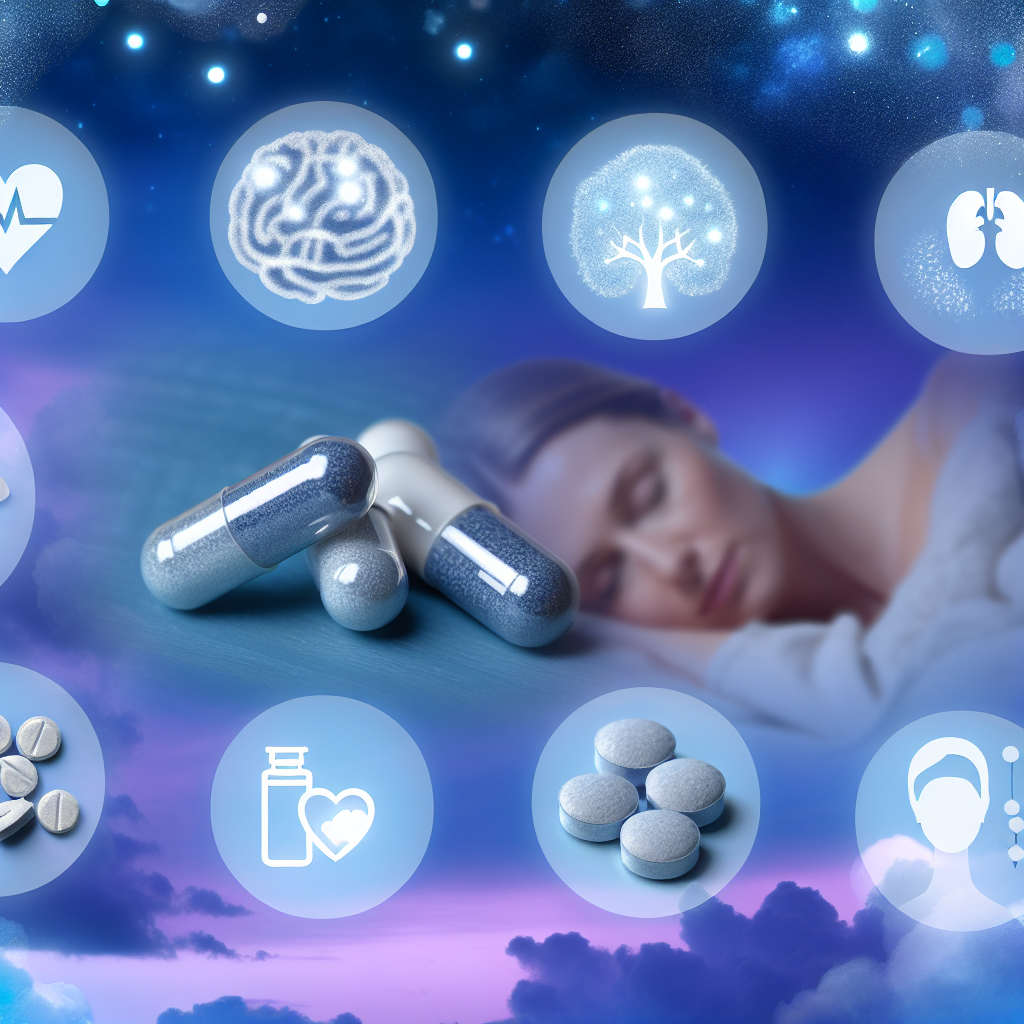
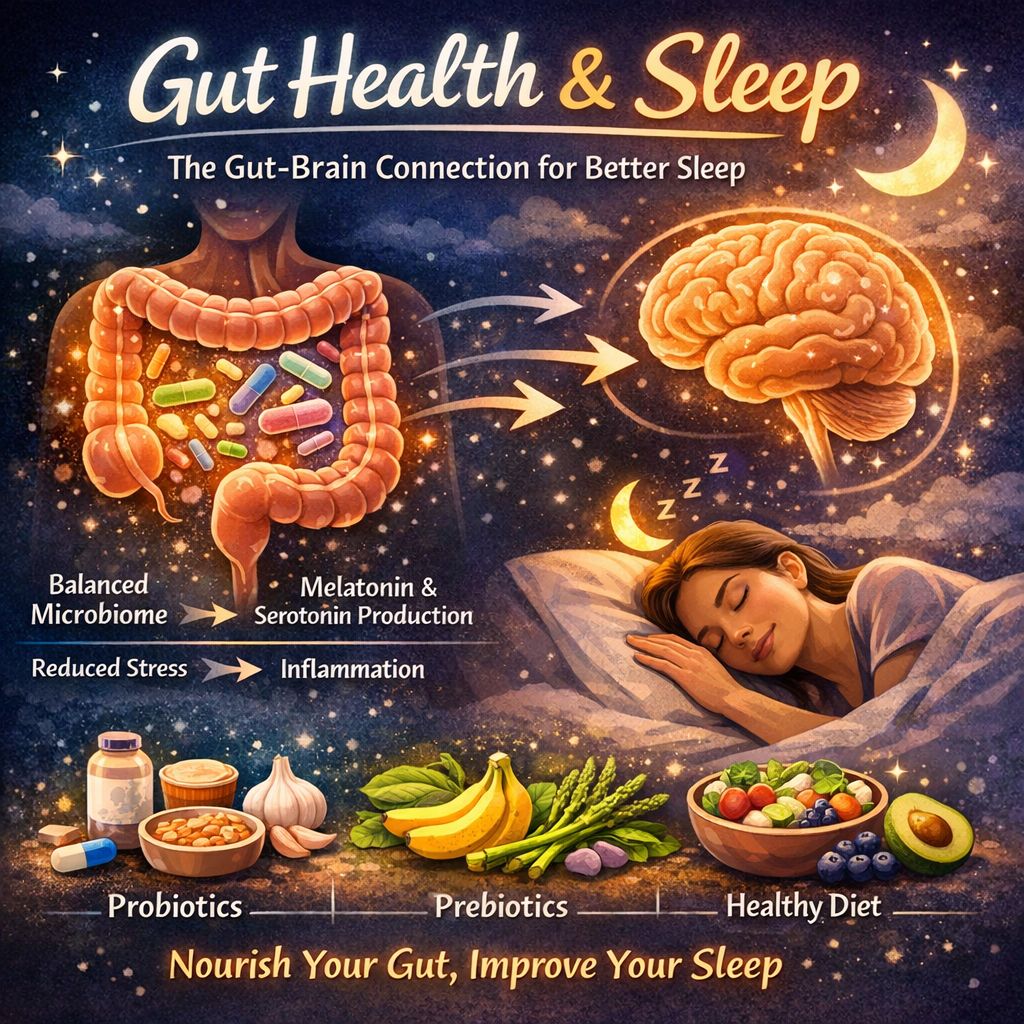
In recent years, the role of **gut health** in overall well-being has gained significant attention. While many people are aware that a balanced **gut microbiome** contributes to **digestive health** and **immune function**, its potential impact on **sleep** is an emerging frontier in medical research. The intricate link between gut health and sleep is rooted in the **gut-brain axis**—a two-way communication network between the gut and the central nervous system. This connection suggests that fostering a healthy microbiome can be instrumental in treating **sleep disorders**.
**Sleep** is a fundamental aspect of human health, affecting physical, mental, and emotional well-being. However, numerous people worldwide experience chronic sleep problems, which can lead to a host of health issues like obesity, depression, cardiovascular diseases, and decreased cognitive function. On the other hand, the human ***microbiome**—home to trillions of microorganisms residing in the gut—plays a vital role in regulating various bodily functions, including digestion and mood regulation. Intriguingly, researchers have started to uncover a fascinating interplay between gut health and the **sleep-wake cycle**.
The microbial ecosystem in our intestines produces neurotransmitters such as serotonin and dopamine, which are precursors to melatonin, the hormone that regulates sleep. Moreover, ***gut bacteria** can influence the body’s stress response by modulating the production of cortisol, a hormone that can disrupt sleep when present in high levels. Hence, maintaining a well-balanced gut microbiome may not only promote better digestive health but could also improve **sleep quality** and rhythm.
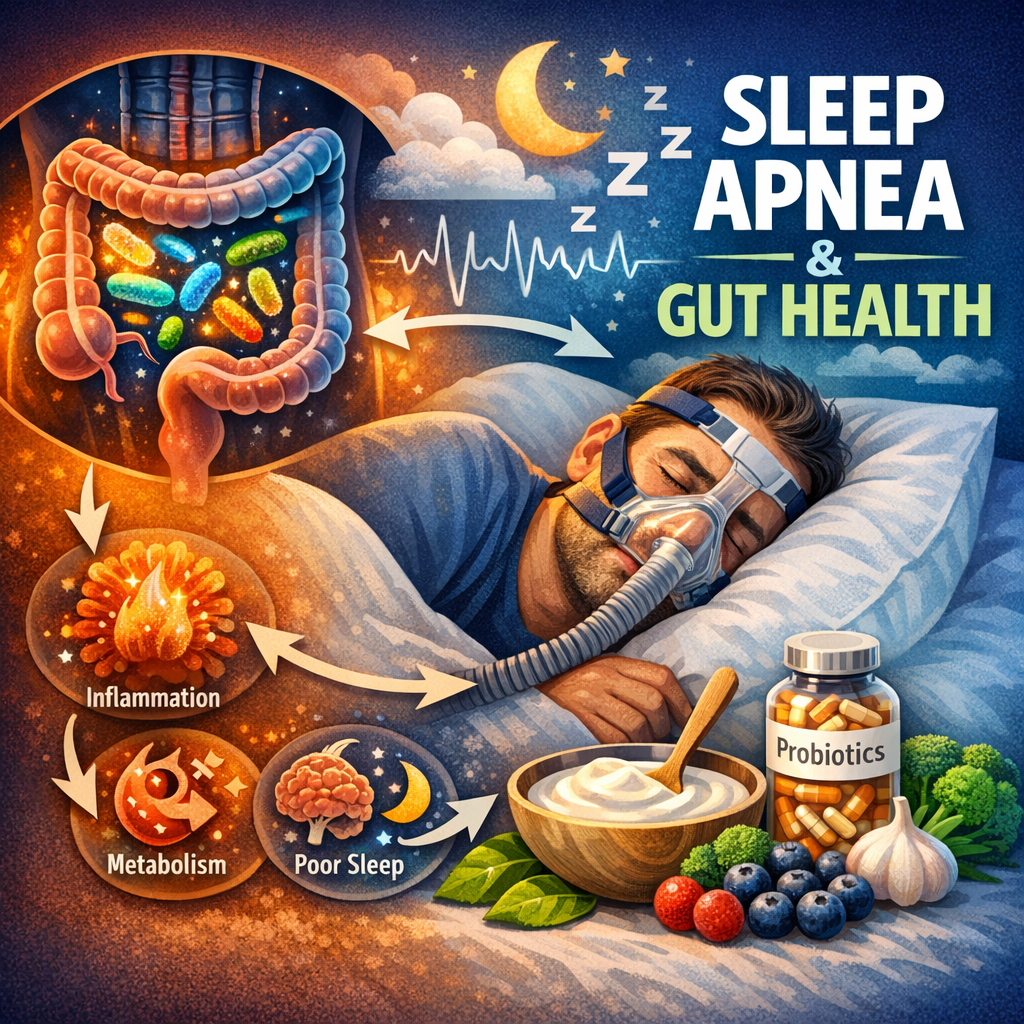
Furthermore, recent studies indicate that the disruption of gut bacteria—often through poor diet, antibiotics, or stress—may contribute to sleep disturbances, including **insomnia** and *sleep apnea*. As a result, researchers and medical professionals are beginning to explore innovative strategies for using **probiotics**, **prebiotics**, and **diet** interventions to restore gut flora and subsequently enhance sleep patterns.
In understanding the microbiome-sleep connection, one begins to see the broader implications for treating sleep disorders through gut health. This dynamic relationship reveals new possibilities for personalized sleep therapies, potentially offering a more targeted approach to solving sleep-related issues by focusing on dietary adjustments and the integration of gut-friendly practices into daily life.
Features: Studies Linking Gut Health and Sleep
Scientific studies over the past decade have highlighted the significance of gut health in regulating **sleep patterns** and quality. One prominent study by Smith et al., published in the *Journal of Clinical Sleep Medicine*, explored the relationship between **gut microbiota diversity** and sleep quality in adults (Smith et al., [2019](https://jcsm.aasm.org)). The researchers found a positive correlation between higher microbiota diversity and improved sleep efficiency and quality. This suggests that a varied and balanced gut flora may positively influence sleep architecture.
Another study conducted by Benedict et al., published in *Cell Reports*, demonstrated that altering the gut microbiome of mice significantly impacted their sleep-wake cycle. The study revealed that administering antibiotics led to changes in the gut’s microbial composition, which subsequently disrupted sleep patterns. Reintroduction of specific beneficial **bacteria** helped restore normal sleep behavior in these animals, stressing the potential of **probiotics** in managing sleep disturbances (Benedict et al., [2016](https://cell.com)).
In *Nutrients*, a review by Kim et al. explored the potential of dietary interventions to modulate the gut microbiome and affect sleep health. The authors emphasized that certain dietary components, such as **dietary fiber** and fermented foods, influence the gut microbiota composition and, consequently, melatonin production. This highlights the possibility of dietary manipulation as a non-pharmacological approach to improve sleep quality (Kim et al., [2020](https://mdpi.com/journal/nutrients)).
Moreover, a study published in *Frontiers in Psychiatry* investigated the impact of prebiotics on sleep and stress regulation (Sarkar et al., [2016](https://journal.frontiersin.org)). The researchers found that a diet rich in prebiotics helped stabilize sleep patterns and improve the body’s stress response by boosting beneficial gut bacteria. These findings underscore the role of nutrition in both mental health and sleep hygiene.
Collectively, these studies indicate a growing scientific consensus that maintaining a balanced gut microbiome is crucial for optimal sleep health. They pave the way for developing novel therapeutic strategies aimed at treating **sleep disorders** through dietary and probiotic interventions, offering a holistic approach to sleep health that extends beyond traditional treatments.
Conclusion
The exploration of the **microbiome-sleep connection** is an exciting development in the field of sleep medicine, opening up new avenues for addressing sleep disorders. Understanding the symbiotic relationship between gut health and sleep emphasizes the importance of maintaining a balanced gut microbiome as part of a comprehensive approach to enhancing sleep quality. As research continues to uncover the mechanisms linking these two critical aspects of health, integrating gut-friendly practices such as a balanced diet rich in fiber and probiotics, stress management techniques, and possibly **prebiotic** supplements may become an integral part of sleep therapy.
With further investigation, we may soon see personalized dietary and microbial strategies becoming standard in the clinical management of sleep disorders, improving lives and overall health. Emphasizing gut health as a central component of sleep wellness underscores a shift towards more natural, preventative health measures, promising a future where restorative sleep is accessible to all.
**Concise Summary**: The article delves into the emerging role of **gut health** in addressing **sleep disorders**. It explains the gut-brain axis and its influence on sleep, highlighting how a balanced **microbiome** aids in producing sleep-regulating hormones. Studies cited show disruptions in gut bacteria from diet or stress can cause sleep issues, suggesting a powerful link between the two. Interventions using **probiotics**, diet, and prebiotics are discussed as potential non-pharmacological solutions for enhancing sleep quality by restoring gut balance, promising a personalized and holistic treatment for sleep health.

Dominic E. is a passionate filmmaker navigating the exciting intersection of art and science. By day, he delves into the complexities of the human body as a full-time medical writer, meticulously translating intricate medical concepts into accessible and engaging narratives. By night, he explores the boundless realm of cinematic storytelling, crafting narratives that evoke emotion and challenge perspectives.
Film Student and Full-time Medical Writer for ContentVendor.com