Rethinking Sleep Apnea: Could the Gut Microbiome Be the Missing Link in Your Diagnosis?
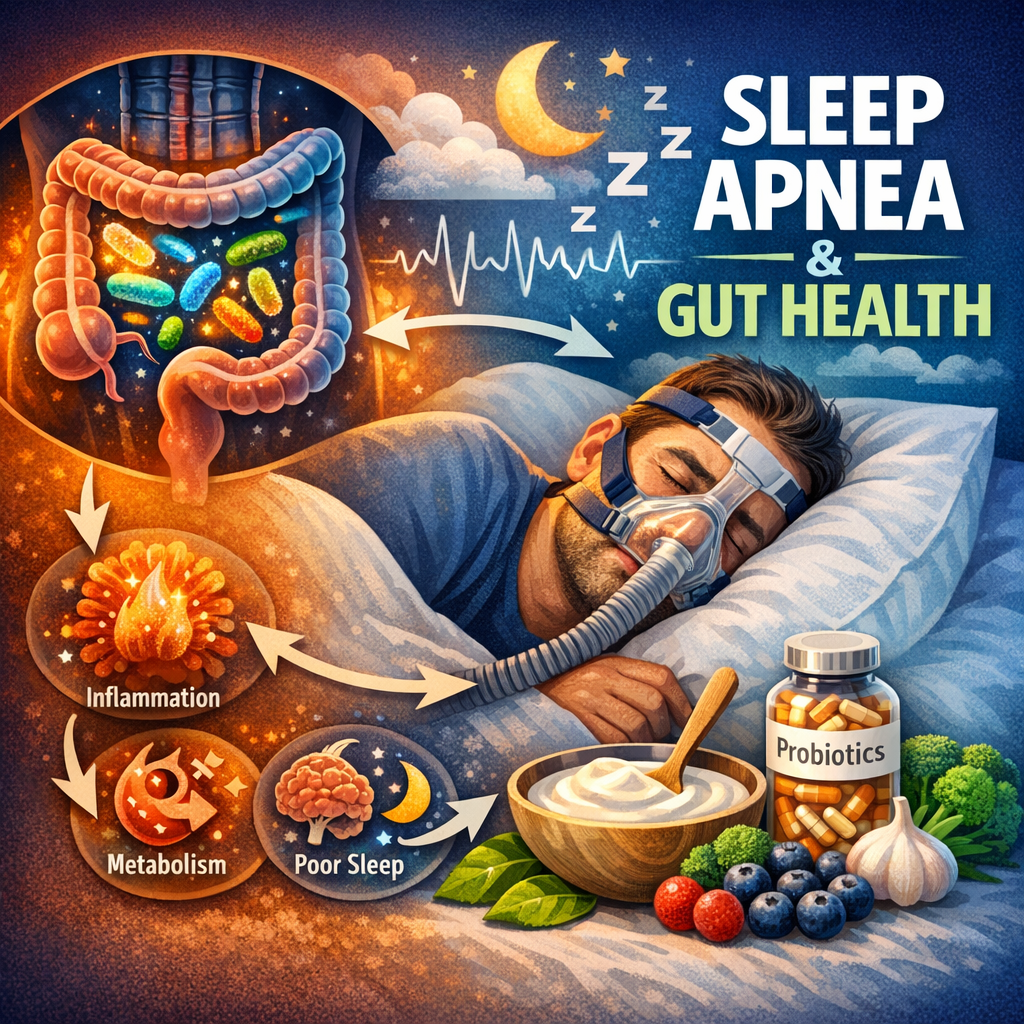
**Sleep apnea** is a common yet serious condition affecting millions worldwide. Traditionally linked to factors like **obesity**, **age**, and anatomical features, emerging research suggests the **gut microbiome** might be another key player. The gut microbiome consists of trillions of bacteria, viruses, and microorganisms in our intestines, impacting everything from **digestion** to the **immune system**. Scientists are now exploring its connection to sleep apnea, with studies showing individuals with the disorder have different gut bacteria compositions compared to healthy subjects. This raises questions about causality and potential treatments like probiotics or dietary changes. Integrating gut health could lead to more effective sleep apnea strategies, especially for those unresponsive to traditional treatments.
Furthermore, a study in the **American Journal of Respiratory and Critical Care Medicine** observed differences in gut bacteria abundance and diversity in sleep apnea patients. Another study in **Sleep Medicine Reviews** highlighted how **sleep deprivation** can alter gut microbiome composition, exacerbating sleep apnea symptoms and suggesting a bidirectional relationship. Research from the **University of Illinois** noted that **short-chain fatty acids** produced by gut bacteria might affect sleep patterns, offering a target for dietary interventions.
Although promising, these findings are mainly observational, necessitating more research, especially large-scale, randomized controlled trials. This research could establish the gut microbiome’s precise role in sleep apnea and the potential impact of gut health interventions.
Conclusion
The connection between the gut microbiome and sleep apnea is a promising frontier. Understanding the gut-sleep axis offers novel therapeutic potentials, suggesting that maintaining a healthy gut microbiome might aid in managing sleep apnea. With continued research, integrating gut health into treatment could improve the lives of millions affected by this condition.
Concise Summary
Emerging research links the **gut microbiome** to **sleep apnea**, suggesting that gut bacteria imbalances may affect sleep health. Studies highlight that individuals with sleep apnea show different gut bacteria profiles. Addressing gut health through probiotics or **dietary changes** might offer additional treatment strategies. However, further research is needed to establish a causal relationship and the effectiveness of gut-focused interventions. This expanding perspective could lead to more holistic and effective approaches to treating sleep apnea, enhancing the overall wellbeing of those affected.
**References:**
1. [American Journal of Respiratory and Critical Care Medicine](https://www.atsjournals.org/journal/ajrccm)
2. [Sleep Medicine Reviews](https://www.journals.elsevier.com/sleep-medicine-reviews)
3. [University of Illinois Research](https://news.illinois.edu/view/6367/803678)

Dominic E. is a passionate filmmaker navigating the exciting intersection of art and science. By day, he delves into the complexities of the human body as a full-time medical writer, meticulously translating intricate medical concepts into accessible and engaging narratives. By night, he explores the boundless realm of cinematic storytelling, crafting narratives that evoke emotion and challenge perspectives.
Film Student and Full-time Medical Writer for ContentVendor.com