Unlocking the Secret: How Personalized Sleep Genetics Could Be Your Next Billion-Dollar Health Insight!
In the modern world, the quest for better sleep is an ongoing journey for millions. Sleep, a fundamental biological process, is pivotal to our overall health and well-being. Despite its significance, many people struggle with **sleep-related issues**, ranging from occasional bouts of insomnia to chronic sleep disorders. As a result, the market is flooded with **sleep aids**, ranging from meditation apps to high-end mattresses, all promising the perfect night’s sleep. However, the key to unlocking better sleep might lie not in external products, but within our own DNA.
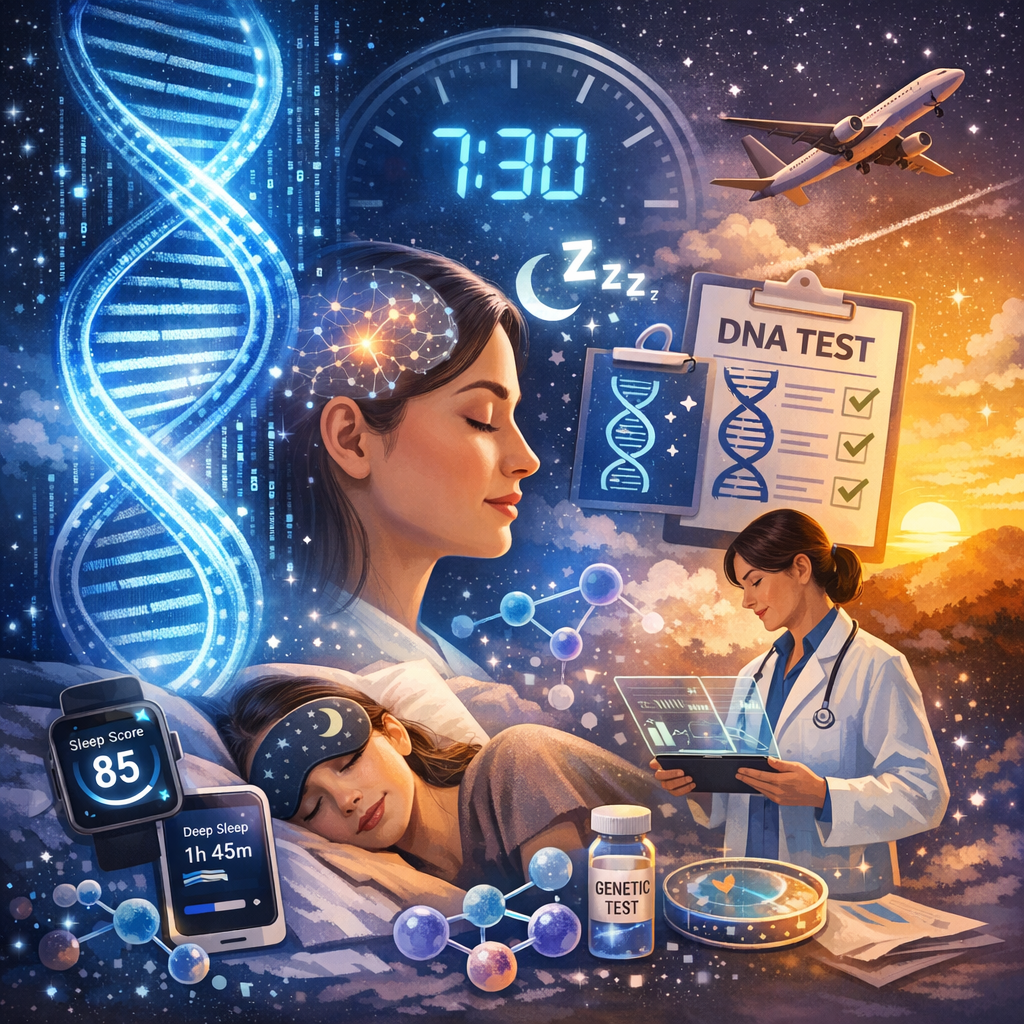
Genetic research is revolutionizing how we approach health, with **personalized medicine** standing at the forefront of this transformation. In the realm of sleep, understanding how our genetics influence sleep patterns and preferences offers groundbreaking potential. This emerging field combines **genomics** with **sleep science**, enabling individuals to customize their sleep strategies based on genetic insights. By decoding our unique genetic blueprint, scientists can pinpoint genetic variants that influence sleep duration, quality, and susceptibility to disorders like insomnia or sleep apnea.
Imagine a world where you can receive a genetic profile that details your optimal sleep environment and ideal sleep-wake cycles. This profile could advise on everything from the best diet and exercise routines to improve sleep to the most effective strategies for combating jet lag. **Personalized sleep genetics** have the potential to profoundly impact public health by reducing sleep-related issues and enhancing overall life quality. Moreover, this burgeoning field presents significant commercial opportunities, potentially evolving into a billion-dollar industry as people increasingly invest in **precision health solutions**.
Recognizing the power of personalized sleep genetics invites us to rethink our understanding of **sleep disorders** and broaden our approach to treatment and management. The potential cost savings for healthcare systems are immense, with fewer people suffering the consequences of poor sleep, ranging from reduced productivity to serious health conditions like cardiovascular disease and depression. As people become more informed about their genetic predispositions, they can actively participate in preventative measures and personalized interventions, marking a proactive shift in health management.
Features:
The relationship between **genetics** and sleep is complex and multifaceted. A growing body of research has begun to unravel this connection, shedding light on how specific genes impact sleep. One noteworthy study published in the journal [Nature Genetics](https://www.nature.com/articles/s41588-019-0508-5) identified several loci in the human genome associated with sleep duration and quality. Conducted by researchers at the University of Exeter, the study analyzed genetic data from over 85,000 participants, revealing insights into the architecture of human sleep.
Another significant piece of research was executed by the University of California, San Diego, which highlighted a gene mutation known as **DEC2** affecting the circadian rhythm. People with this mutation require less sleep than average but still achieve optimal cognitive function and health. Understanding genetic mutations like DEC2 can pioneer new approaches to human sleep needs and therapeutic strategies. [UC San Diego Study](https://www.cell.com/ajhg/fulltext/S0002-9297(09)00200-1)
Moreover, sleep genetics is an area of keen commercial interest. Companies such as **23andMe** offer genetic testing services that include reports on traits related to sleep patterns. These services tap into consumer interest in self-optimization and personalized health, offering insights into how one’s genetic makeup may influence trait tendencies like being a morning or evening person.
The intersection of genetics and technology is continuously advancing, making the possibility of tailored sleep treatments and recommendations a promising reality in the near future. As we deepen our understanding of the genetic foundations of sleep, this knowledge could lead to innovative therapies and interventions that personalize healthcare, potentially transforming numerous lives and reducing the burden of sleep disorders globally.
Conclusion:
The promise of personalized sleep genetics not only redefines the future of **sleep health** but also represents a remarkable opportunity to harness genetic science for everyday well-being. This burgeoning field provides a unique intersection between healthcare, technology, and personalized wellness, offering individuals the precise tools they need to enhance their quality of sleep sustainably. As research continues to evolve, the integration of genetic insights into personalized sleep solutions will become more prevalent and accessible, heralding a new era of health management designed to meet the individual needs of every sleeper. As we unlock these genetic secrets, we are afforded a remarkable glimpse into a tailored approach to healthcare, one that holds the potential to foster a healthier, well-rested society. By staying informed about these advances, we not only benefit our personal health journeys but also contribute to a broader understanding that could redefine health and wellness for generations to come.
—
**Concise Summary:**
Personalized sleep genetics could revolutionize health by tailoring sleep solutions according to one’s DNA, potentially leading to a billion-dollar industry. This field combines genetic and sleep science to create customized strategies for better sleep. Important studies, such as those published by Nature Genetics and UC San Diego, reveal how specific genes impact sleep patterns. As companies like 23andMe offer consumer genetic insights, the tailored healthcare revolution is becoming a reality. This breakthrough aims to reduce healthcare costs, enhance life quality, and shift from reactive to proactive health management, fostering a healthier society.

Dominic E. is a passionate filmmaker navigating the exciting intersection of art and science. By day, he delves into the complexities of the human body as a full-time medical writer, meticulously translating intricate medical concepts into accessible and engaging narratives. By night, he explores the boundless realm of cinematic storytelling, crafting narratives that evoke emotion and challenge perspectives.
Film Student and Full-time Medical Writer for ContentVendor.com